
 EN
EN
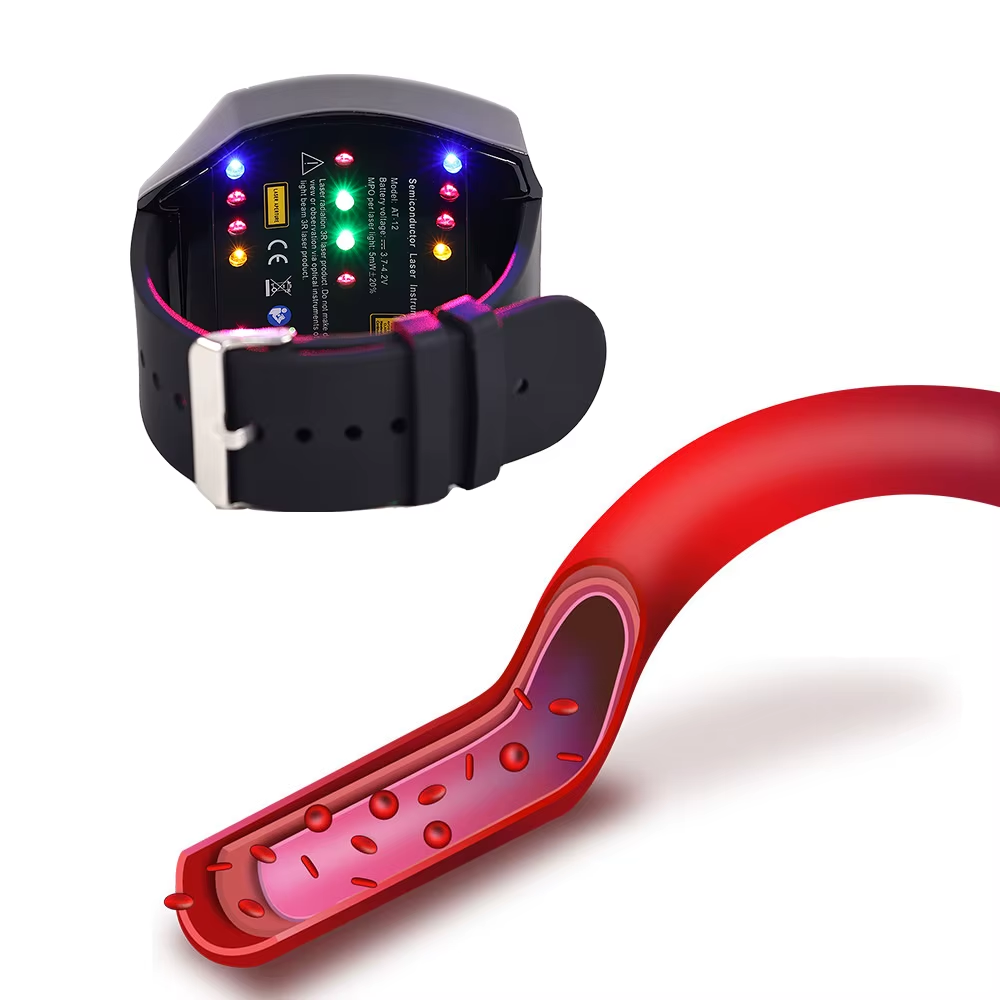
How LLLT Addresses Core Diabetes Complications
Targeting Diabetic Peripheral Neuropathy and Associated Pain
About half of all diabetics deal with diabetic peripheral neuropathy (DPN), which brings along constant pain, numbness, and those annoying burning feelings mostly in their feet and hands. Low Level Laser Therapy (LLLT) tackles this condition right where it starts biologically, cutting down on oxidative stress and inflammation while giving mitochondria in nerve cells a little kickstart. The science behind it involves something called photobiomodulation that actually boosts activity in these tiny cellular power plants known as cytochrome c oxidase, which then leads to better energy production and faster signal transmission through nerves. Studies indicate that many patients experience around a 60% reduction in their neuropathic pain when undergoing LLLT treatment. This makes it an attractive option compared to traditional meds since pills often come with unwanted side effects like dizziness or sleepiness, not to mention potential addiction risks. What's really great about LLLT is how it helps restore normal sensation and tweaks those pain signals going through the body, ultimately making everyday activities easier for folks dealing with DPN without messing with other parts of their system.
Accelerating Diabetic Foot Ulcer Healing via Angiogenesis and Tissue Repair
About 15 to 25 percent of diabetics end up developing foot ulcers, which tend to take forever to heal because of problems with tiny blood vessels, weak immune responses, and ongoing inflammation issues. Low Level Laser Therapy speeds up the healing process through several biological effects working together. First off, it gets those endothelial cells and fibroblasts activated, boosting VEGF production somewhere around 40 to 60 percent, which helps new blood vessels form. The treatment also promotes collagen buildup and moves keratinocytes along to help skin regrow properly. Plus, it brings down those inflammatory markers such as TNF-alpha and IL-6 that just keep things inflamed. All these factors combined mean better blood flow to the area, fewer bacteria hanging around, and healing times cut down roughly 30 to 50 percent when compared with regular treatments, which cuts the chance of needing an amputation quite a bit. Since this therapy doesn't involve any incisions or invasive procedures, it works really well for folks who can't handle traditional surgical options or more aggressive wound care methods.
| Healing Mechanism | LLLT Impact | Clinical Outcome |
|---|---|---|
| Angiogenesis | ↑ VEGF production (40–60%) | Improved microcirculation |
| Collagen Synthesis | ↑ Fibroblast activity | Enhanced tissue scaffolding |
| Anti-Inflammatory | ↓ TNF-α, IL-6 | Reduced edema and infection risk |
| Epithelialization | ↑ Keratinocyte migration | Faster wound closure |
The Science Behind LLLT in Diabetes: Mechanisms and Biomarkers
Modulation of Oxidative Stress, Inflammation, and Mitochondrial Function in Hyperglycemic Tissues
Low level laser therapy works against several major problems that contribute to diabetes complications, especially issues with mitochondria function, too much oxidative stress, and ongoing mild inflammation. When photons get absorbed by something called cytochrome c oxidase, this actually helps improve how well mitochondria work and boosts ATP production. A study from Gkotsi and colleagues back in 2014 found that ATP levels went up about 31% in cells affected by high blood sugar after receiving LLLT treatment. At the same time, LLLT can reduce malondialdehyde levels by as much as 42%, which is good because this substance indicates damaged fats in the body. The therapy also helps increase natural antioxidants such as superoxide dismutase. Another important effect is suppression of inflammatory substances like TNF-alpha and IL-6, breaking the vicious cycle that makes insulin resistance worse and causes tissue damage. All these effects combined help bring back balance to cellular processes and fix underlying metabolic problems instead of just treating surface symptoms.
Neurovascular Improvements: Nerve Conduction Velocity and Microcirculatory Metrics
LLLT produces measurable neurovascular benefits in diabetes through two interrelated pathways:
- Nerve regeneration: By promoting Schwann cell proliferation and axonal sprouting, LLLT improves nerve conduction velocity (NCV) by 15–28% in clinical electrophysiological assessments
- Microcirculatory enhancement: It boosts nitric oxide bioavailability, increasing capillary density by 22% and accelerating cutaneous blood flow velocity
| Parameter | Pre-LLLT Average | Post-LLLT Improvement | Measurement Method |
|---|---|---|---|
| Sural NCV | 38.2 m/s | +5.7 m/s (15%) | Nerve conduction studies |
| Cutaneous perfusion | 12.4 PU | +3.1 PU (25%) | Laser Doppler flowmetry |
These objective biomarkers confirm LLLT’s capacity to reverse neural and microvascular deterioration in diabetes—though optimal dosing is critical. Evidence indicates diminishing returns above 10 J/cm², underscoring the need for protocol precision.
What Does the Clinical Evidence Say for Diabetes Management?
Key RCTs Demonstrating Symptom Reduction in Diabetic Neuropathy and Ulcers
The evidence from well-conducted randomized controlled trials definitely backs up Low Level Laser Therapy's effectiveness against various diabetes complications. When looking at diabetic peripheral neuropathy specifically, several studies have found improvements in pain levels around 40% better than what patients get with placebo treatments or regular care options. We also see real changes in nerve conduction velocity measurements and how sensitive nerves become over time. For diabetic foot ulcers, adding LLLT to standard treatment protocols leads to full healing about three weeks quicker than usual. This happens because the therapy helps new blood vessels form, cuts down inflammation, and speeds up skin regeneration processes. What makes this particularly interesting is that LLLT seems to target common issues underlying different complications, which suggests it works at a fundamental biological level instead of just masking symptoms temporarily.
Limitations: Dosimetry Variability, Small Samples, and Lack of Long-Term Diabetes-Specific Outcomes
The research looks encouraging overall, but there are still several important limitations we need to consider. For starters, there's this problem with inconsistent dosing parameters across different studies. Researchers aren't always using the same wavelengths between 600 and 1000 nanometers, varying power levels, treatment schedules, or total energy amounts. This makes it really hard to compare results from one study to another and establish standardized clinical practices. Another issue is that many of these trials only include small groups of people, sometimes fewer than 100 participants. Small samples just don't give us enough data to draw solid conclusions that apply broadly. We also know very little about what happens over the long term when treating diabetes patients with this method. Most studies stop tracking outcomes after six months at most, so we miss critical information about how often ulcers might come back or whether nerve pain relief lasts beyond that initial period. To move forward, we'll need bigger multi-center studies where everyone follows similar protocols, involves more patients, and keeps monitoring them for much longer periods. These improvements would help determine if low-level laser therapy should become part of standard diabetes care recommendations.