
 EN
EN
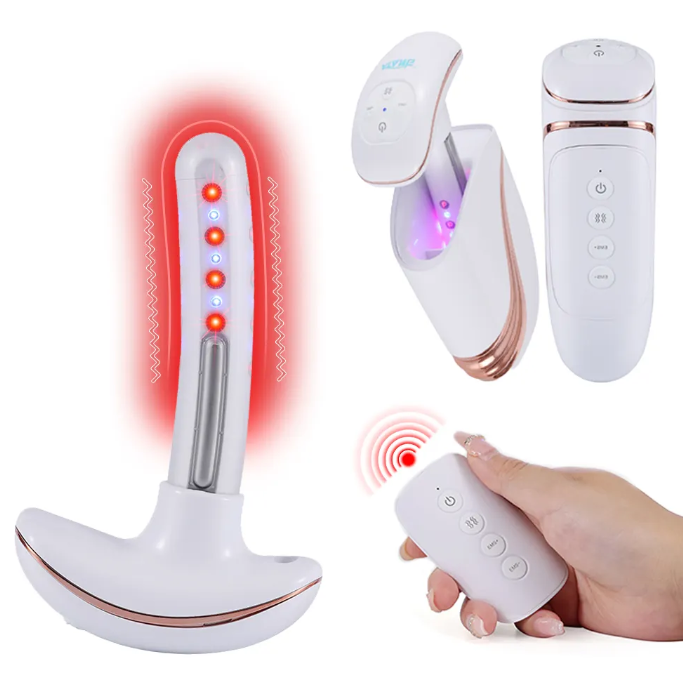
The Persistent Burden of Vaginal Yeast Infection and Therapeutic Gaps
Global Prevalence, Recurrence Rates, and Patient Demand for Safer, Non-Pharmacologic Solutions
About 75 percent of women will deal with a vaginal yeast infection at some point in their lives, and around 8% face four or more flare ups each year, which doctors classify as recurrent vulvovaginal candidiasis or RVVC for short. The fact that these infections keep coming back has created real demand among patients for treatment options that don't rely on traditional antifungal medications. Many women who suffer from ongoing symptoms like persistent itching, pain during sex, and all sorts of daily disruptions are looking elsewhere. Research indicates roughly between 20 to 30% of people taking antifungals find themselves right back where they started within just three months, which explains why there's so much interest in approaches that maintain the natural balance of bacteria in the vagina without causing problems throughout the body. According to various surveys, preserving this delicate ecosystem ranks highly on patient wish lists, pointing to gaps in what's currently available when it comes to effective treatments.
Limitations of Current Antifungals: Resistance, Relapse, and Vaginal Microbiome Disruption
First-line azole antifungals face mounting clinical limitations:
- Antimicrobial resistance emerges in 15–20% of recurrent cases, diminishing treatment efficacy
- Vaginal dysbiosis occurs in nearly 40% of prolonged users, increasing vulnerability to secondary infections
- Symptom relapse exceeds 30% within six months post-treatment
The problems with current antifungal treatments come down to their broad approach. These medications don't just target bad bacteria like Candida but also kill off helpful lactobacilli in the process. This wipes out the natural balance in the vaginal environment, making it easier for infections to come back again. Many topical treatments actually irritate the area where they're applied. About one quarter of women stop using these products because of side effects such as inflammation of the mucous membranes or allergic responses. All this points to a clear gap in the market for treatments that can specifically target harmful organisms without disrupting the body's natural defenses.
How LLLT Targets Vaginal Yeast Infection: Mechanisms and Early Clinical Validation
Low Level Laser Therapy (LLLT) presents an innovative treatment option for vaginal yeast infections by using light therapy instead of heat. This technique called photobiomodulation works by delivering certain light wavelengths directly to the affected area, which helps cells heal faster and adjusts how the body responds to infection. What makes LLLT different from regular antifungal medications is that it specifically targets bad yeast colonies without harming the good bacteria naturally present in the vagina. The laser actually gets into the tissues down there and lowers those annoying inflammatory chemicals like IL-6 and TNF-alpha that cause all the itching and swelling. Plus, it boosts the body's own defenses against infection without messing with other parts of the system or introducing harsh chemicals into the body.
Photobiomodulation Against Candida albicans Biofilms and Pro-Inflammatory Signaling
LLLT’s therapeutic action operates via two complementary mechanisms:
- Biofilm disruption: Wavelengths between 660–810 nm degrade the extracellular polymeric matrix that shields Candida, weakening fungal structural integrity and increasing susceptibility to host defenses.
- Anti-inflammatory modulation: Light absorption by mitochondrial chromophores boosts ATP synthesis and reduces oxidative stress, calming tissue inflammation and accelerating epithelial recovery.
Critically, this process spares lactobacilli and other beneficial microbes—supporting long-term microbiome resilience where antifungals often compromise it.
Pilot Evidence: Symptom Resolution and Reduced Recurrence in Human Trials (2022–2024)
Emerging clinical data support LLLT’s promise:
- A 2023 randomized trial reported 74% symptom resolution within five days, outperforming topical clotrimazole (58%) in the same timeframe.
- At six months, recurrence rates in the LLLT cohort remained below 15%, compared to 41% in the antifungal control group.
These findings position LLLT not merely as an adjunct, but as a viable first-line non-pharmacologic strategy for RVVC—particularly for patients with treatment-resistant or microbiome-sensitive presentations.
Commercial Opportunity: Market Size, Adoption Pathways, and Competitive Differentiation
The market for treatments beyond traditional medications for recurring vaginal yeast infections is growing fast these days. We're talking about around 138 million cases each year globally, with nearly half coming back within just six months after treatment. People are getting more concerned about developing resistance to antifungal drugs and how important it is to maintain a healthy vaginal microbiome. This has led to increased interest in medical devices that actually work well clinically but also make sense from a practical standpoint for everyday use. Looking ahead, most industry experts believe this sector could hit several billion dollars in value by the end of the decade, particularly for those low level laser therapy systems that have been approved by the FDA for home use and tested successfully in gynecology clinics across the country.
Adoption is expected to follow a phased pathway: initial integration into specialist gynecology and integrative women’s health clinics, followed by expansion into telehealth-supported direct-to-consumer models. Competitive differentiation rests on three pillars:
- Non-invasiveness, eliminating risks of drug interactions and systemic toxicity;
- Superior biofilm penetration, overcoming a key limitation of topical antifungals;
- Microbiome-sparing action, aligning with evidence-based priorities for long-term vaginal health.
This positions LLLT as a premium, clinically grounded alternative—not just for symptom relief, but for sustainable management of RVVC.
Regulatory and Reimbursement Landscape for Vaginal LLLT Devices
FDA Classification Strategies: Navigating 510(k) Substantial Equivalence vs. De Novo Pathways
FDA clearance remains essential for commercial viability of vaginal LLLT devices indicated for vaginal yeast infection treatment. Manufacturers typically pursue one of two regulatory pathways:
- 510(k) Substantial Equivalence: Requires demonstrating safety and performance similarity to a legally marketed predicate device. While faster and less resource-intensive, this route constrains claims to incremental improvements and may limit differentiation in payer discussions.
- De Novo Classification: Applicable when no suitable predicate exists. Though requiring robust clinical evidence of safety and effectiveness, De Novo clearance confers greater flexibility in labeling, stronger reimbursement positioning, and potential for market exclusivity.
Strategic pathway selection directly influences development timelines, evidence requirements, and payer acceptance—making early regulatory engagement critical for devices aiming to address antifungal resistance and recurrence through microbiome-conscious innovation.
FAQ
What is a vaginal yeast infection?
A vaginal yeast infection is a common condition caused by an overgrowth of the fungus Candida, leading to symptoms such as itchiness, pain, and discharge.
How does Low Level Laser Therapy (LLLT) work to treat vaginal yeast infections?
LLLT uses specific wavelengths of light to target bad yeast colonies and reduce inflammation without harming beneficial bacteria in the vagina.
What are the benefits of LLLT compared to traditional antifungal treatments?
LLLT offers targeted treatment without disrupting the vaginal microbiome, reducing relapse rates, and avoiding side effects associated with antifungal medication.
Is LLLT safe for treating vaginal yeast infections?
Yes, early clinical trials have demonstrated LLLT's safety and effectiveness as a treatment for recurrent vaginal yeast infections.
Table of Contents
- The Persistent Burden of Vaginal Yeast Infection and Therapeutic Gaps
- How LLLT Targets Vaginal Yeast Infection: Mechanisms and Early Clinical Validation
- Commercial Opportunity: Market Size, Adoption Pathways, and Competitive Differentiation
- Regulatory and Reimbursement Landscape for Vaginal LLLT Devices