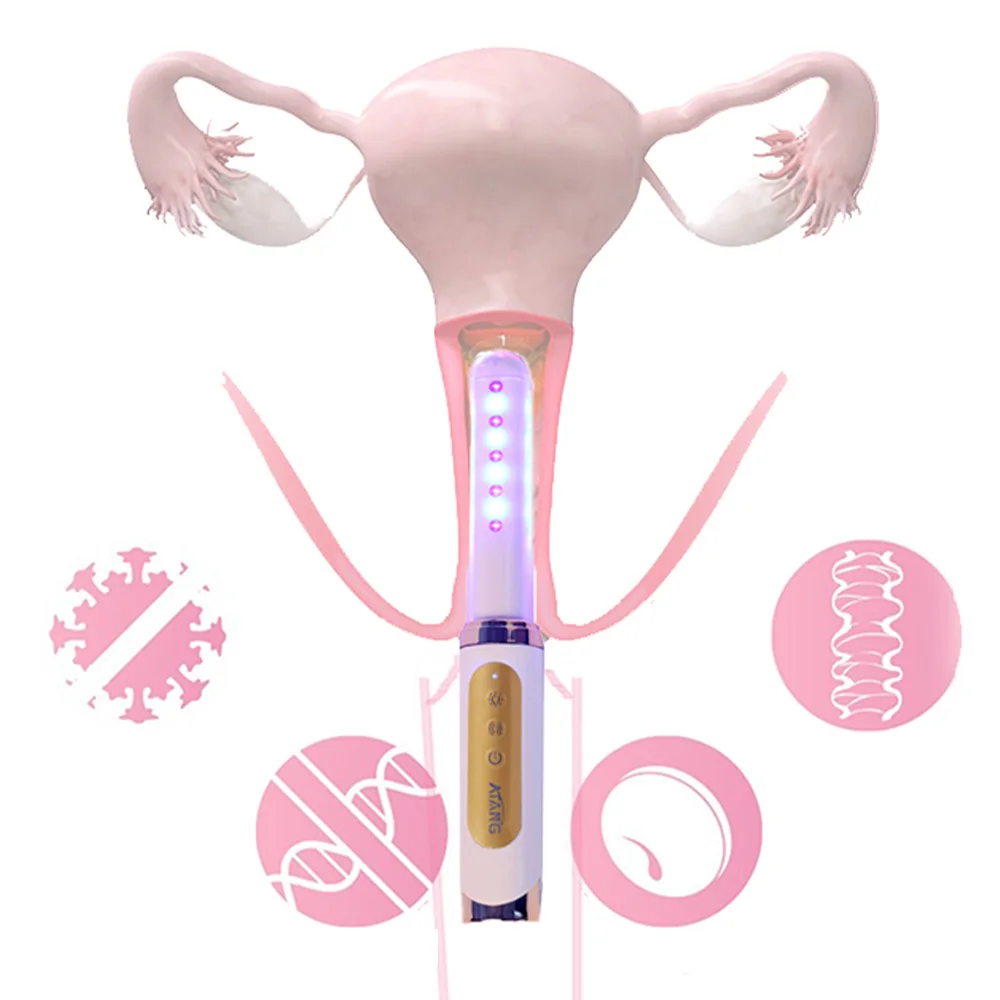
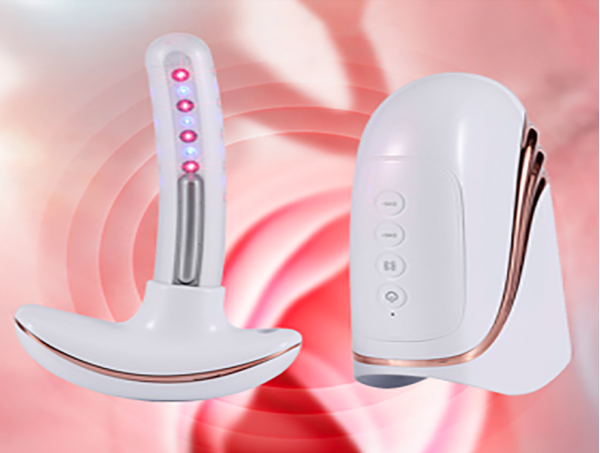
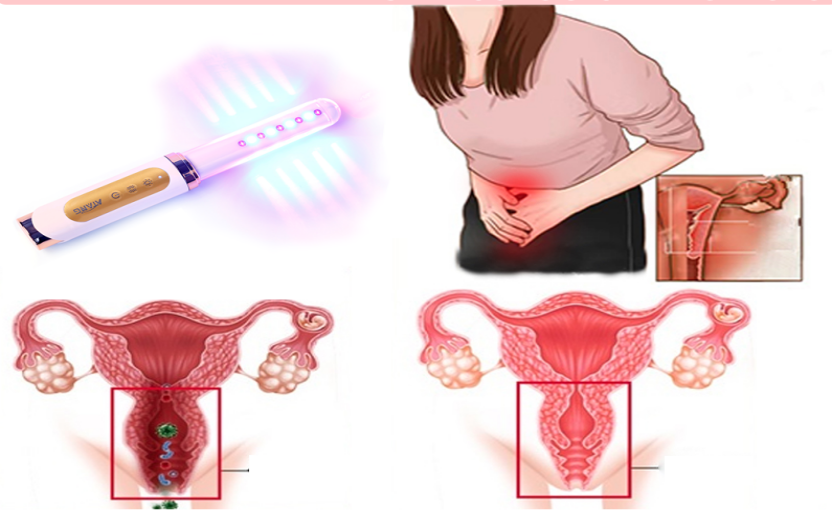
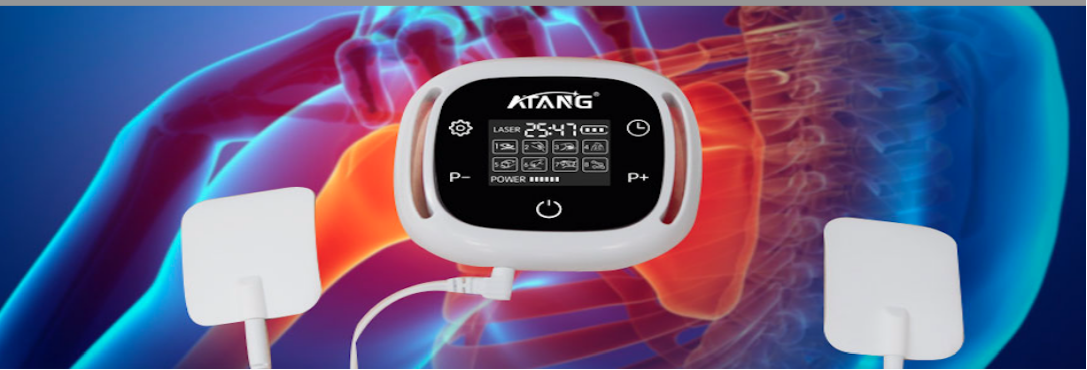
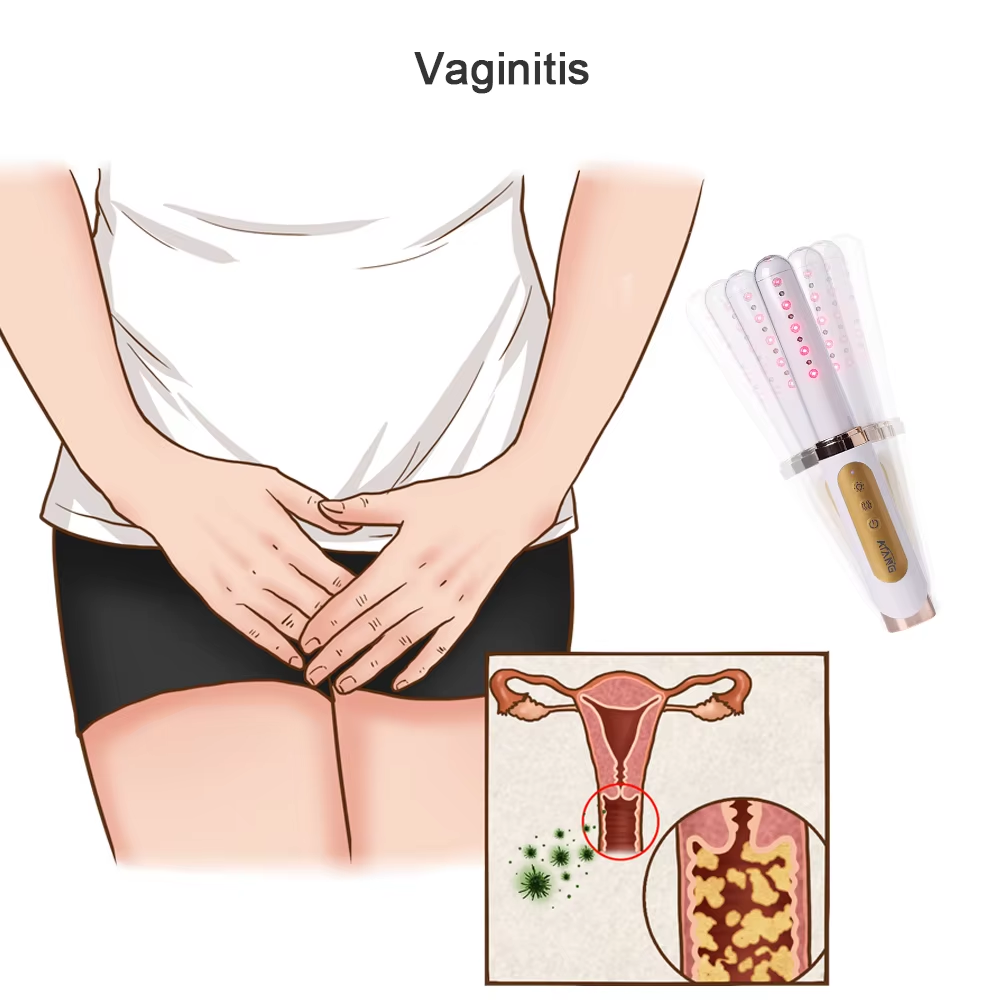
Pelvic floor pain and dysfunction are common yet often under-discussed health concerns affecting a significant number of women globally. This discomfort can arise from various factors, including childbirth, surgery, hormonal changes, chronic straining, or simply the natural aging process. The pelvic floor muscles, a network of tissues supporting the bladder, uterus, and rectum, can become weakened, overly tense, or injured, leading to pain, pressure, urinary issues, and a diminished quality of life. ATANG Health addresses this intimate aspect of wellness with a sophisticated, home-applicable device engineered to provide Pain Pelvic Floor Relief through the integrated application of cold laser and electrical muscle stimulation.
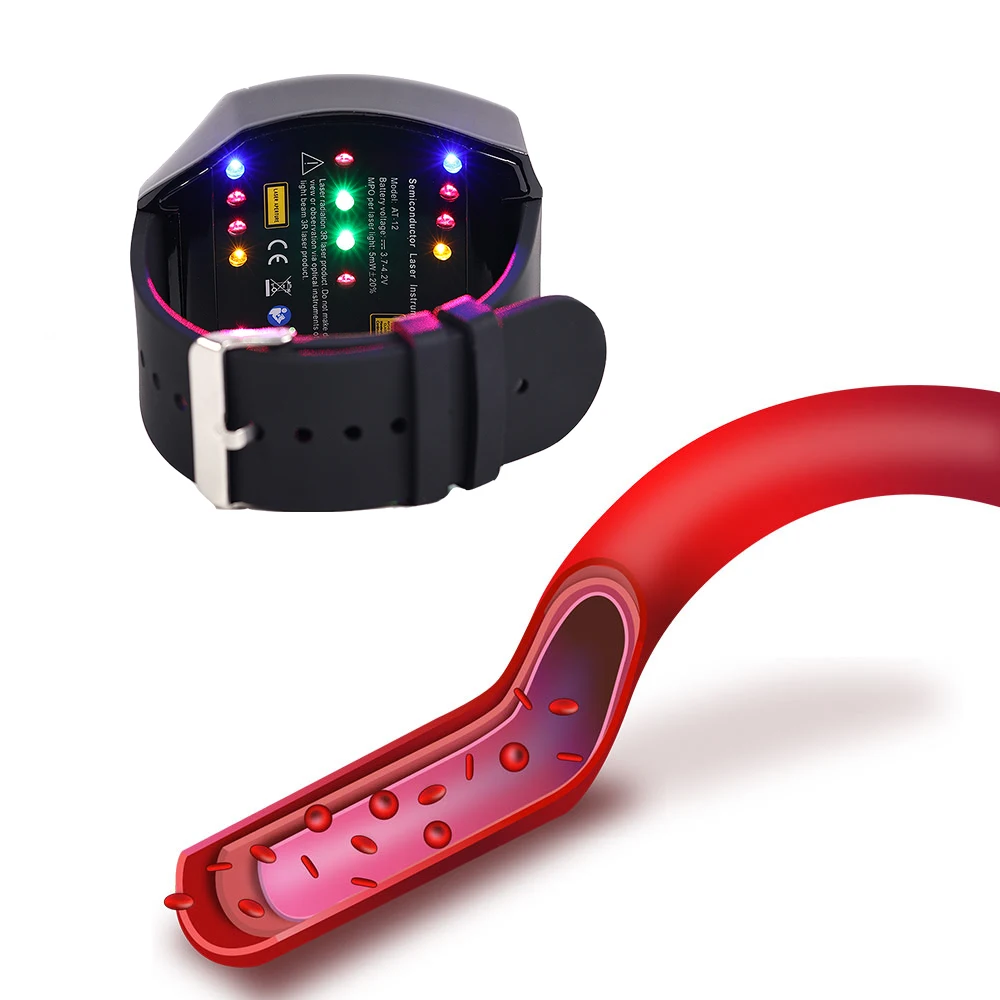
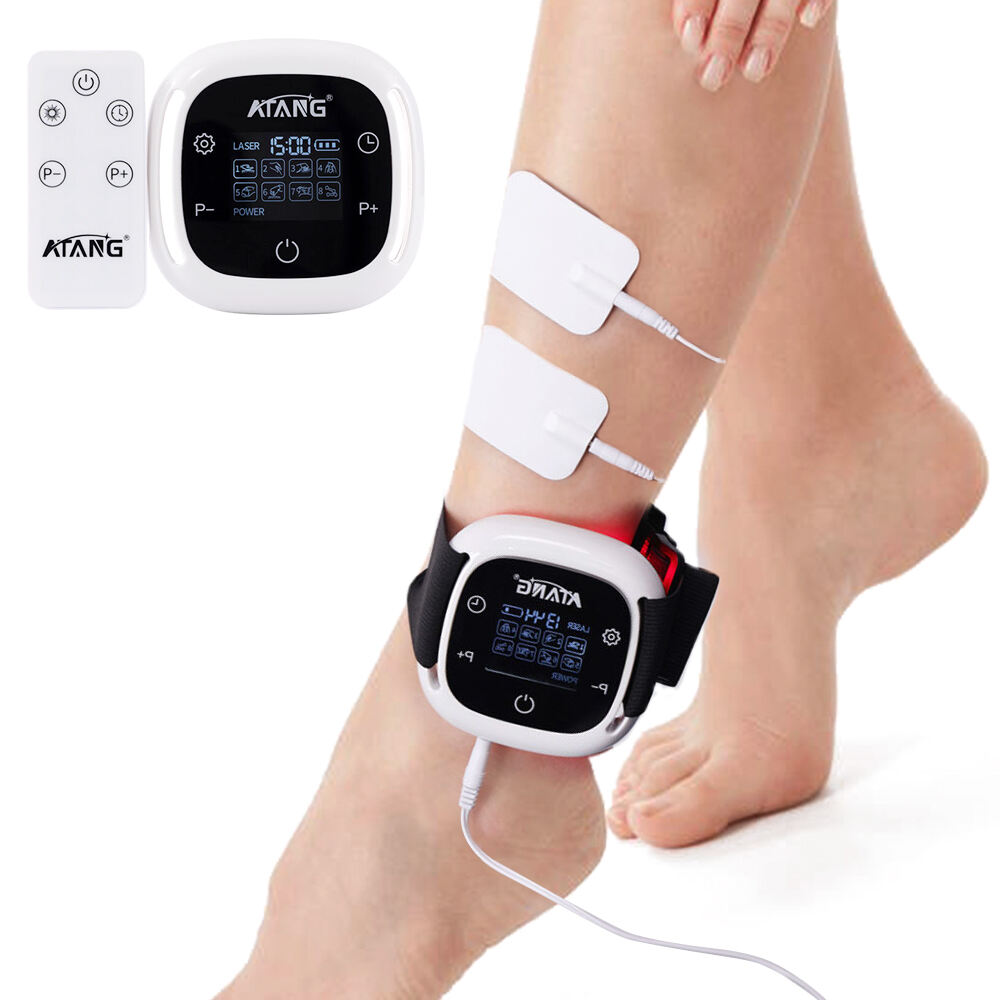
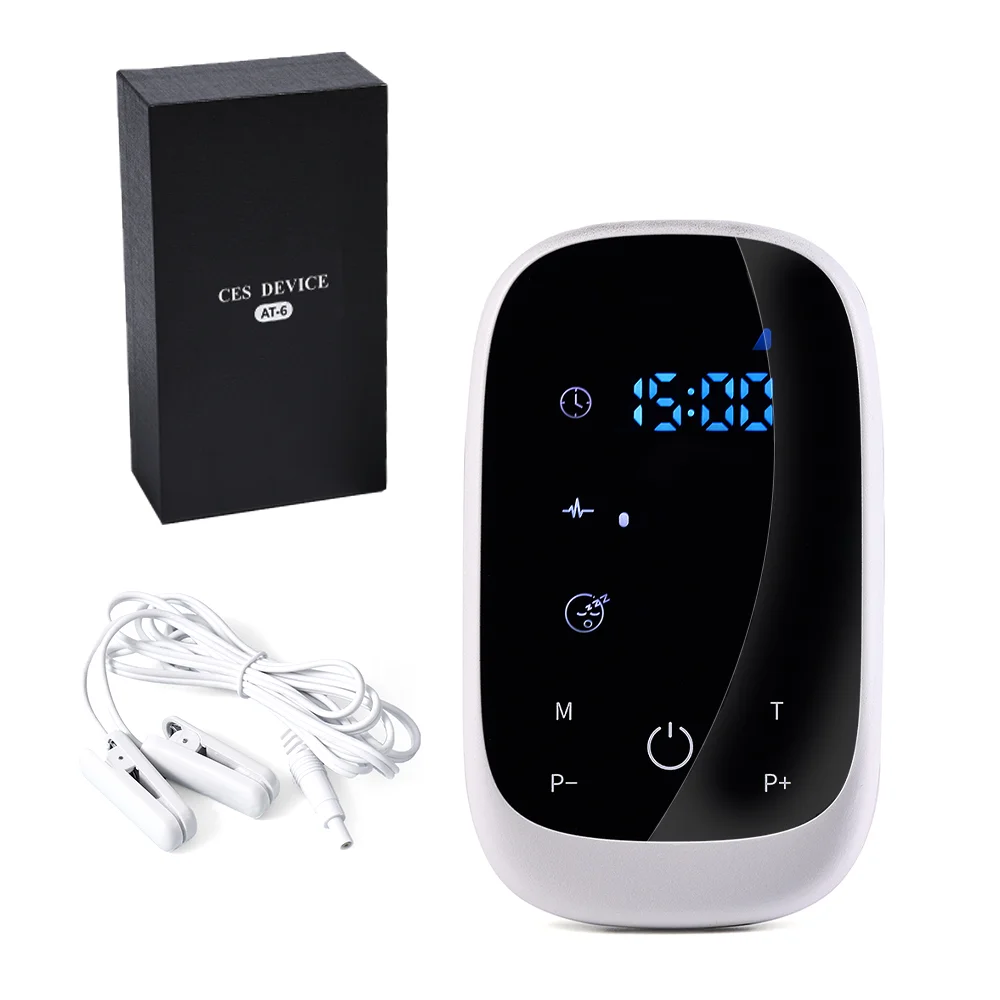
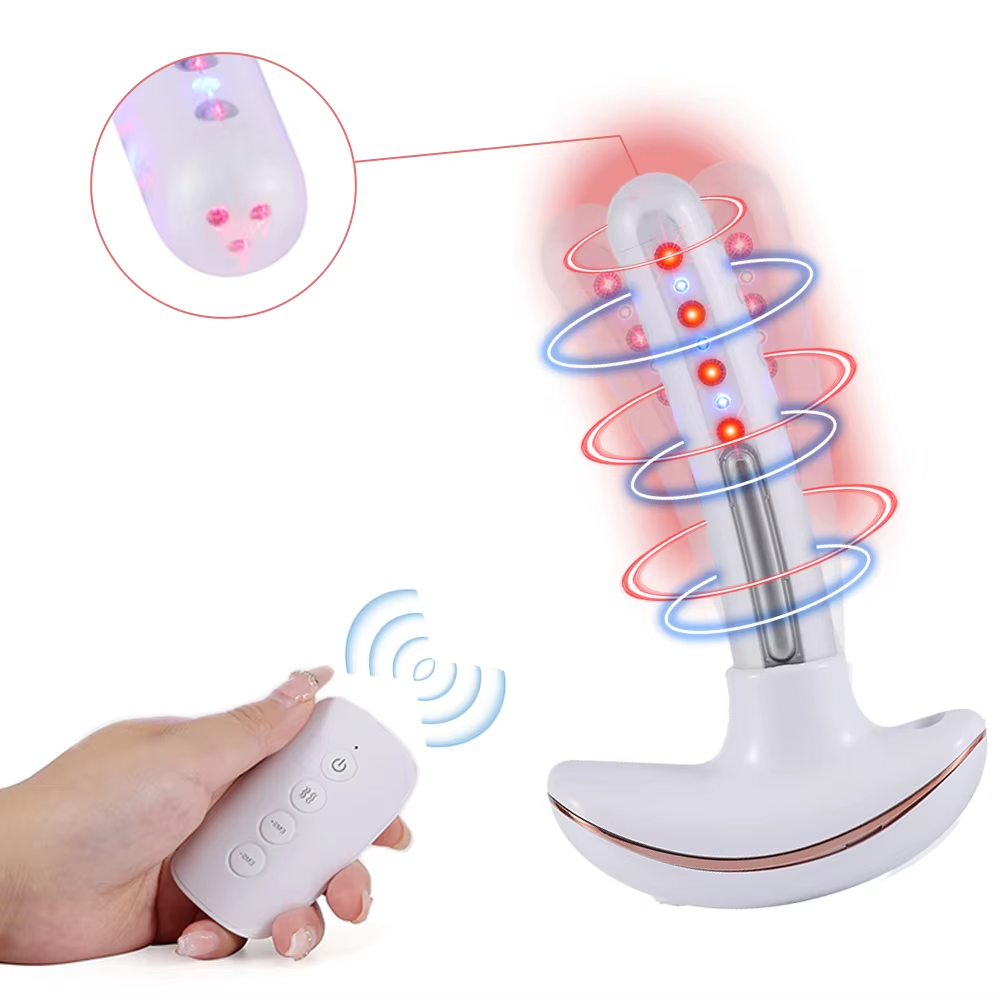
The therapeutic mechanism of our device operates on two complementary fronts. Firstly, the low-level cold laser therapy component delivers specific wavelengths of light energy directly to the target area. This energy is absorbed by the cells, where it is believed to stimulate mitochondrial function, enhancing cellular metabolism and ATP production. This process can accelerate the repair of damaged tissues, reduce localized inflammation, and modulate pain signals at the source. For pelvic floor tissues that may be inflamed or recovering from strain, this photobiomodulation effect creates an optimal environment for healing, directly contributing to Pain Pelvic Floor Relief. Secondly, the integrated Electrical Muscle Stimulation (EMS) system plays a crucial role in functional rehabilitation. By delivering safe, low-frequency electrical impulses, it causes gentle, controlled contractions of the pelvic floor muscles. This serves a dual purpose: it helps strengthen muscles that have become lax and weak, and it can also aid in relaxing muscles that are caught in a state of hypertonicity or spasm, a common source of chronic pelvic pain. This neuromuscular re-education is fundamental to restoring proper pelvic floor function and long-term comfort.
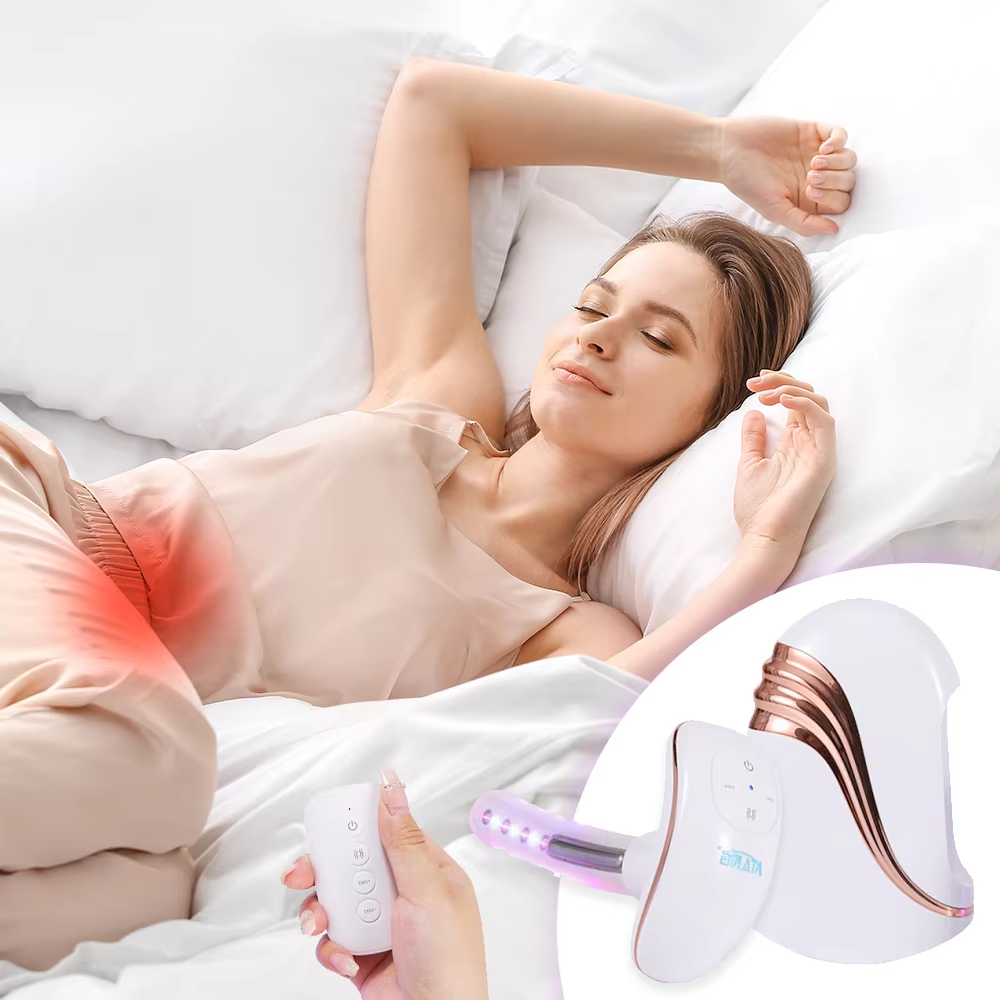
The practical application of this technology is designed for discretion and convenience. A user, for instance, might be Sarah, a woman in her late 30s experiencing persistent discomfort and occasional pain following the birth of her second child. Incorporating the device into her weekly routine allows her to actively participate in her recovery outside of limited physical therapy sessions. The non-invasive nature of the treatment means no downtime, enabling her to manage her wellness privately at home. Another scenario involves Linda, a perimenopausal woman noticing increased pelvic pressure and discomfort during daily activities. For her, the device acts as a supportive wellness tool, helping to maintain muscle tone and manage inflammation related to hormonal changes. The goal is consistent, proactive support.
It is vital for users to understand that this device is designed for supportive management and improvement of quality of life. It is most effective when used as part of a broader health strategy, which may include guidance from a healthcare provider, such as a gynecologist or pelvic floor physical therapist, for a comprehensive diagnosis and treatment plan. The device offers a valuable, technology-driven method to extend care into the home environment. For detailed information regarding device specifications, usage protocols, and pricing for individual units or distributor inquiries, we encourage you to contact our support team directly. We are ready to provide comprehensive information to meet your specific needs and explore potential partnerships.

 EN
EN