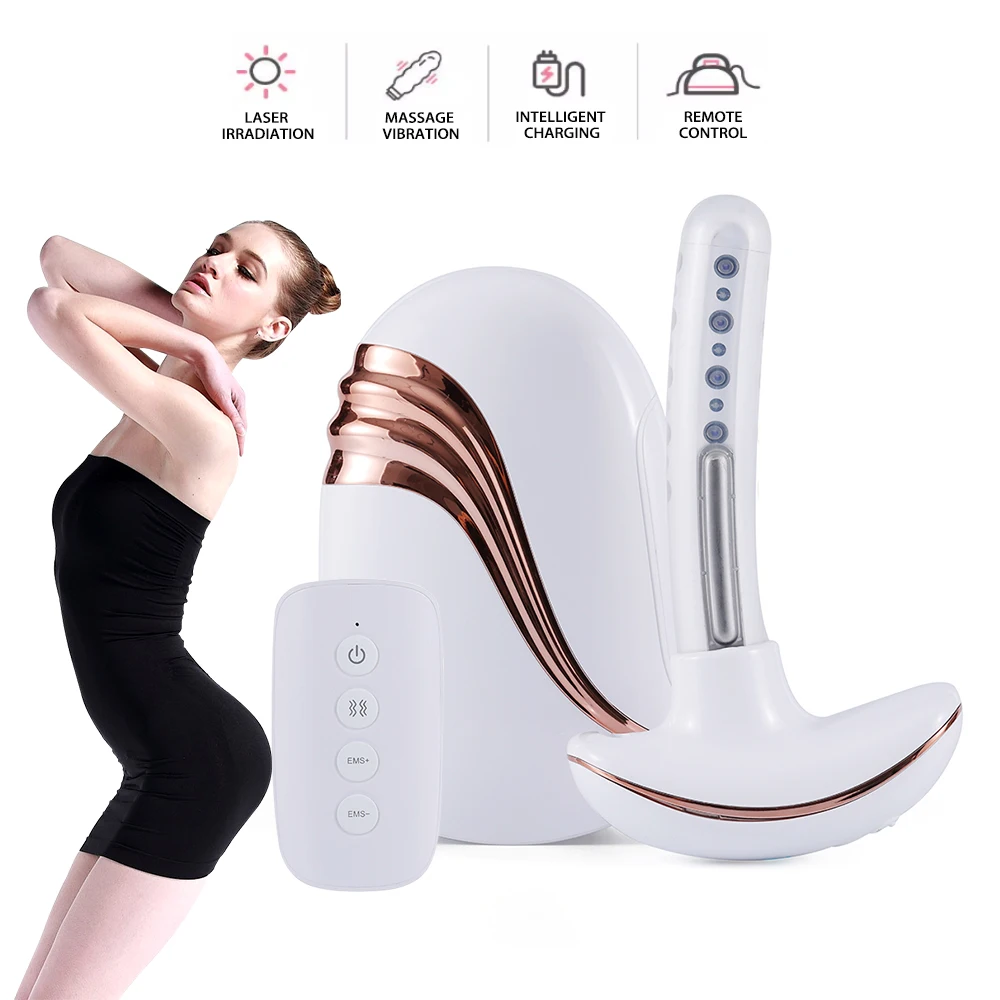
The search for a pelvic floor device that is recognized or registered with the U.S. Food and Drug Administration (FDA) reflects a sophisticated and prudent approach to personal wellness. Consumers and medical distributors alike understand that the FDA’s role in regulating medical devices signifies a benchmark for safety, manufacturing quality, and, for certain device classes, a review of effectiveness data. It is crucial to clarify the distinctions within FDA oversight: a facility can be FDA-registered, which indicates the manufacturing site is listed with the agency and complies with relevant regulations like Quality System (QS) requirements. A specific device may then be FDA-cleared via the 510(k) pathway if it is demonstrated to be substantially equivalent to a legally marketed predicate device, or it may receive FDA approval through the more rigorous Premarket Approval (PMA) process for higher-risk Class III devices. For example, surgical mesh for transvaginal pelvic organ prolapse repair is a Class III device requiring PMA approval, while a therapeutic pelvic floor massager is typically a Class II device. This regulatory landscape underscores why the term “FDA pelvic floor device” is a significant query—it represents a demand for products that exist within a structured, audited framework of medical device development.
ATANG Health operates with a clear understanding of this landscape and the serious responsibility of creating home health products. Our foundational commitment is to integrity and compliance. Our manufacturing facility’s FDA Establishment Registration (Number: 3015515517) is not merely a number; it is a declaration of our adherence to current good manufacturing practices. It means our production environment, record-keeping, and quality control processes are designed to meet international standards. This registration forms the essential first pillar for any company aspiring to develop credible health products. It is the baseline from which all product-specific regulatory pathways, such as pursuing 510(k) clearance for a particular device, would be built upon. For professionals and clients evaluating partners in the health technology space, this regulatory groundwork is a non-negotiable criterion, separating serious manufacturers from casual market entrants.
Our approach to product innovation, particularly in sensitive areas like pelvic wellness, is governed by this principle of responsible development. We invest in our own patented designs and support our product development with clinical research. The goal is to create devices that are not only safe from an electrical and material standpoint (verified by reports like the SGS 60825 laser safety test) but are also conceived with a genuine therapeutic rationale. While we offer a range of smart healthcare series, our philosophy is that technology should empower individuals in their health journey. For pelvic floor concerns—which can encompass a wide spectrum from muscle rehabilitation to general tissue wellness—this means exploring how non-invasive modalities can provide supportive care. The value we offer to potential agents, distributors, and end-users is a combination of this rigorous, standards-compliant manufacturing backbone and a forward-thinking approach to home-based health technology.
If you are conducting due diligence on FDA pelvic floor device options for distribution, investment, or personal use, the conversation must start with a company’s foundational credentials and its capacity for innovation. ATANG Health is positioned as a manufacturer built on these very principles. We welcome the opportunity to provide detailed documentation of our FDA establishment registration, CE certifications, patent portfolios, and clinical research summaries. This transparency allows you to make fully informed decisions. We encourage distributors and clients with specific product inquiries related to pelvic wellness to contact us directly. Our team can provide in-depth information on our technological capabilities and discuss how our compliant manufacturing and design expertise can be aligned with your market needs and regulatory goals.

 EN
EN