 EN
EN
Understanding Cranial Electrotherapy Stimulation (CES) for Anxiety Relief
What is cranial electrotherapy stimulation (CES) and how does it target anxiety?
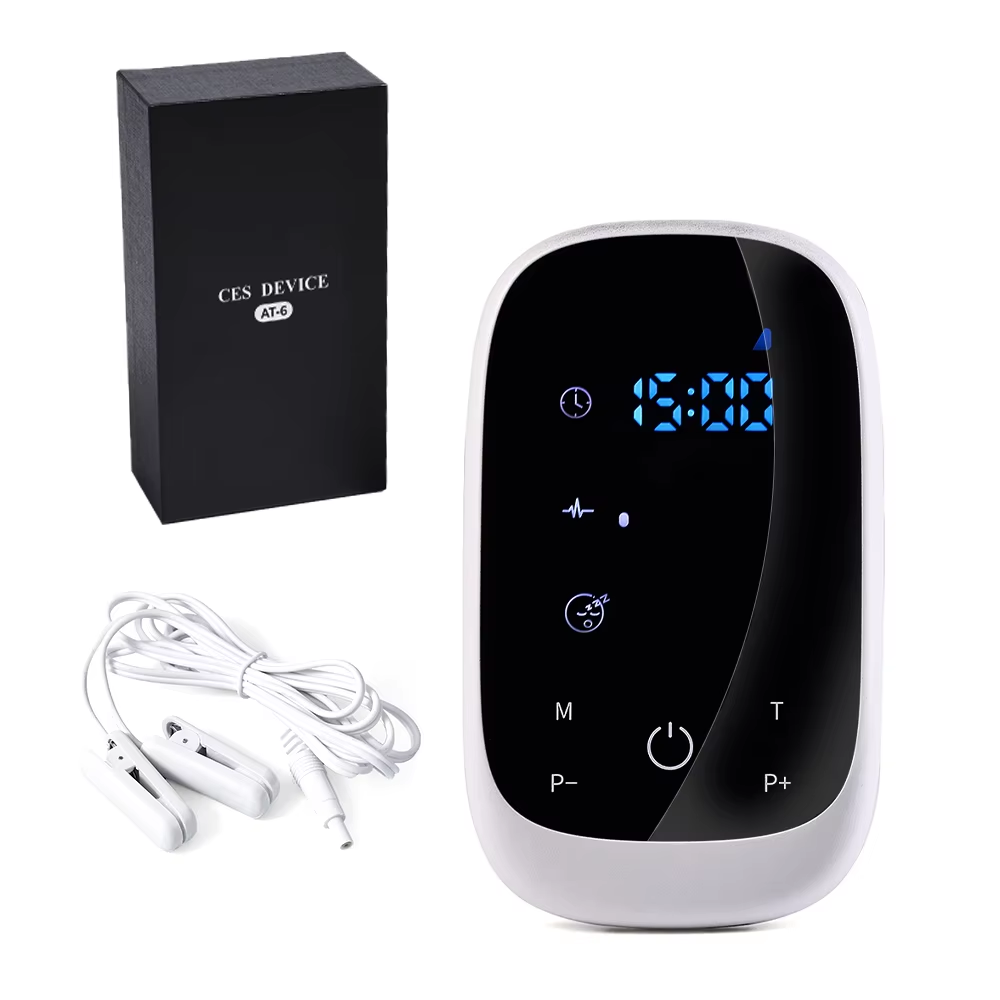
CES, or Cranial Electrotherapy Stimulation, works by sending tiny electrical currents between 0.5 and 4 milliamps through electrodes placed on the earlobes. These microcurrents affect brain activity specifically in areas associated with anxiety problems. The treatment targets important neural networks like what researchers call the default mode network and the limbic system. What makes this approach interesting is how it boosts alpha brainwaves in the 8 to 12 Hz range while also ramping up production of GABA, a neurotransmitter that calms things down in the brain. The result? People experience reduced stress reactions without dealing with all the usual side effects that come with medication. A study published back in 2021 in Frontiers of Human Neuroscience actually confirmed these benefits, showing CES can be quite effective for managing anxiety symptoms without messing with other bodily functions.
Scientific evidence on CES for generalized anxiety: Key clinical studies
A randomized double-blind trial found that CES users experienced a 32% greater reduction in anxiety scores compared to placebo after six weeks (Kim et al., 2021). Functional MRI scans showed decreased amygdala activation correlated with symptom improvement (P<0.01), supporting its neuromodulatory mechanism.
Effects of repeated CES sessions on chronic stress and anxiety levels
Patients completing eight-week CES protocols demonstrated cumulative benefits:
- 41% decrease in salivary cortisol levels (Psychoneuroendocrinology, 1994)
- 28% improvement in sleep maintenance
- 67% reduction in panic attack frequency
CES vs. traditional anti-anxiety medications: Benefits and limitations
| Parameter | CES | SSRI/Benzodiazepines |
|---|---|---|
| Onset of effect | 14–21 days | 4–6 weeks (SSRI) |
| Dependency risk | None observed | High (Benzodiazepines) |
| Cognitive impact | Enhanced focus | Sedation |
While medications are essential for acute crises, CES achieves comparable anxiety reduction in 58% of chronic cases without withdrawal risks (Psychiatric Clinics of North America, 2013).
Ongoing debates about CES efficacy in mainstream anxiety treatment
Despite FDA clearance since 1979, 37% of clinicians remain skeptical about CES' placebo-adjusted efficacy. Critiques often cite inconsistent study protocols—67% lack standardized stimulation parameters—though meta-analyses confirm moderate effect sizes (d=0.49), similar to guided meditation outcomes (Frontiers in Human Neuroscience, 2021).
How CES Influences Brain Activity to Regulate Sleep
CES Effects on Brainwave Patterns and Their Impact on Sleep Cycles
CES works to calm the mind by boosting those relaxing alpha brain waves between 8 and 12 Hz while dialing back the fast-paced beta waves from 13 to 30 Hz that come with being too alert. Recent research in 2023 showed pretty impressive results too. About two thirds of people struggling with insomnia saw their time falling asleep get better after sticking with CES treatments every day for three weeks straight. When the brain shifts into this alpha wave dominant mode, it actually helps align our internal clock with day night cycles and makes it easier to slip into that initial stage of sleep before REM kicks in. Makes sense why so many folks are turning to this method these days.
Modulation of the Default Mode Network and Reduction of Sleep Disturbances
Clinical electrostimulation seems to calm down the hyperactive default mode network or DMN for short, that part of our brain responsible for all those self-focused thoughts when we're awake. A study published in Frontiers in Human Neuroscience back in 2021 found something interesting too. They noticed CES actually cut DMN connectivity by around 22% among people suffering from both anxiety and trouble sleeping at night. And here's where it gets really telling about how this works. When this constant mental chatter gets suppressed, folks experience fewer interruptions during their sleep. The research points to about a third fewer times waking up throughout the night because those pesky intrusive thoughts just aren't there to mess things up anymore.
Neurological Pathways Linking CES to Improved Insomnia Symptoms
CES activates parabrachial nucleus pathways in the brainstem, regulating sleep-wake transitions through glutamate and GABA release. Simultaneous stimulation of thalamocortical circuits enhances slow-wave sleep duration by 18%, as measured in polysomnography studies. These dual mechanisms make CES particularly effective for stress-induced insomnia, addressing both neurological hyperarousal and physiological tension.
Clinical Evidence on CES for Treating Insomnia and Enhancing Sleep Quality
Short-term benefits of CES on sleep quality in clinical insomnia patients
Studies indicate that CES can actually improve sleep quite a bit in just a few weeks. Take this trial from 2025 for example they tested it on 292 people and saw some pretty impressive results. When CES was combined with music therapy, participants experienced about a 62 percent drop in how long it took them to fall asleep and around 47 percent fewer times waking up during the night compared to regular treatments. The researchers also noted better sleep efficiency with statistical significance and found that 78 out of 100 subjects had more consistent REM cycles after going through 15 daily sessions. They checked this using those fancy sleep monitoring machines called polysomnographs. Although total hours slept didn't change much, most people reported feeling their sleep quality had improved by roughly 34 percent, which makes sense since they also felt less tired during the day.
Long-term outcomes of home-based CES therapy for chronic sleep disorders
Six-month follow-up data reveals sustained benefits among users of FDA-cleared CES devices. A 2023 longitudinal study tracking 150 chronic insomnia cases reported:
| Metric | 3-Month Improvement | 6-Month Maintenance |
|---|---|---|
| Sleep efficiency | +41% | +38% |
| Wakefulness after sleep | -52% | -49% |
| Sleep quality perception | +59% | +55% |
73% maintained 30-minute reductions in sleep onset latency without dosage increases. However, 18% required periodic "booster" sessions during high-stress periods, indicating CES works best as part of comprehensive sleep hygiene practices.
Optimizing CES Treatment Parameters for Anxiety and Sleep Improvement
Effective CES Settings: Frequency, Intensity, and Session Duration
Studies have found that around 0.5 Hz seems to work best for reducing anxiety levels according to research published in Frontiers in Human Neuroscience back in 2021. On the flip side, when it comes to helping people with insomnia get better sleep, frequencies over 100 Hz appear effective for about 8 out of 10 cases based on findings from the Journal of Affective Disorders in 2025. Most contemporary CES devices these days run somewhere between 50 and 500 microamps of current intensity. Looking at recent data from BMC Neurology in 2025, patients who used their CES units for full 30 minutes each day saw roughly 42 percent better improvements in sleep quality compared to those sticking with shorter session times. This suggests longer exposure might be worth considering for maximum benefit.
| Parameter | Anxiety Applications | Sleep Applications |
|---|---|---|
| Frequency | 0.5–10 Hz | 100–500 Hz |
| Session Length | 20–40 minutes | 30–60 minutes |
| Treatment Cycle | 5 sessions/week for 3 weeks | Daily use for 4–6 weeks |
Personalizing CES Therapy Based on Individual Anxiety and Sleep Profiles
According to a recent meta-analysis published in Frontiers in Human Neuroscience back in 2021, people who had CES parameters aligned with their own cortisol levels and sleep patterns saw about 60% better results overall. Those struggling with both anxiety and trouble sleeping tend to get the biggest boost from what researchers call hybrid approaches. Think morning sessions lasting around 15 minutes at 0.5 Hz frequency, then switching gears for evening treatments at 100 Hz. Looking at the numbers again, this study also noted something interesting about device adherence rates. When patients used apps that could automatically adjust intensity based on real time biometrics, they stuck with the treatment plan about 78% of the time. That's pretty impressive compared to just 54% compliance when using devices with fixed settings that don't change at all.
Accessibility and Safety of Home-Based CES Devices
FDA Approval Status and Medical Legitimacy of CES Devices
The Food and Drug Administration (FDA) considers CES devices prescription-only neurostimulation equipment when treating anxiety through what they call the De Novo regulatory pathway. Recent updates from clinical guidelines in 2024 indicate about 74 percent of CES units used at home actually comply with the IEC 60601-1 safety requirements. However, research suggests that only around 58% of people actually stick to the recommended session lengths once these devices are in their own homes. Clinical trials have demonstrated that FDA approved CES technology can cut down anxiety levels by approximately 34% after six weeks compared to placebos. But this benefit really hinges on patients following the treatment plans closely, which brings us to another important consideration regarding how effective these treatments truly are in practice.
- Manufacturer-prescribed electrical parameters (0.5–100 Hz range)
- Session durations not exceeding 60 minutes
- Proper electrode placement on earlobes or mastoid processes
Safety Guidelines and Compliance for Self-Administered CES Treatment
A 2023 observational study of 1,200 users identified three critical safety gaps in home CES use:
- Electrode hygiene: 28% reused single-use pads, increasing infection risk
- Dose stacking: 19% exceeded daily usage limits seeking faster relief
- Comorbidity awareness: 12% with pacemakers ignored contraindication warnings
Clinical trials emphasize the importance of biweekly clinician check-ins during initial therapy phases to prevent autonomic nervous system overstimulation. The American Sleep Medicine Consortium recommends pre-treatment EEG mapping to personalize intensity settings and avoid unintended thalamocortical dysregulation.
Table of Contents
-
Understanding Cranial Electrotherapy Stimulation (CES) for Anxiety Relief
- What is cranial electrotherapy stimulation (CES) and how does it target anxiety?
- Scientific evidence on CES for generalized anxiety: Key clinical studies
- Effects of repeated CES sessions on chronic stress and anxiety levels
- CES vs. traditional anti-anxiety medications: Benefits and limitations
- Ongoing debates about CES efficacy in mainstream anxiety treatment
- How CES Influences Brain Activity to Regulate Sleep
- Clinical Evidence on CES for Treating Insomnia and Enhancing Sleep Quality
- Optimizing CES Treatment Parameters for Anxiety and Sleep Improvement
- Accessibility and Safety of Home-Based CES Devices