
 EN
EN
Understanding Vaginal Health and the Appeal of Laser Treatments
Common Vaginal Health Concerns, Including Vaginitis and Atrophy
Problems with vaginal health are pretty common among women at different stages of life. Conditions like vaginitis, usually linked to infections or pH imbalances, and vulvovaginal atrophy where the vaginal tissues get thinner and drier because of changing hormones, impact around half of all postmenopausal women according to NAMS research from 2023. For those still menstruating, about 30% experience similar issues as reported in the Journal of Women's Health in 2022. The discomfort ranges from dryness and constant itching to painful sex, all of which really affects day to day living. Because of this, lots of women start looking for options other than standard hormone treatments when dealing with these problems.
Rising Consumer Interest in Non-Surgical Vaginal Rejuvenation
Interest in minimally invasive treatments has really taken off lately. According to a study published in the Aesthetic Surgery Journal last year, around two thirds of women surveyed would rather go for non surgical options than have surgery for vaginal tightening. Companies promote energy based devices like lasers and radio frequency machines as fast fixes with no recovery time. They claim these can boost lubrication, improve elasticity, and even heighten sensation by stimulating collagen production and increasing blood flow to the area. The science sounds good on paper, but when it comes to actual results from clinical trials, the data just isn't consistent enough to draw firm conclusions about how well they work.
How Energy-Based Devices Are Marketed for Gynecological Wellness
Most manufacturers and clinics market these tech options under the banner of holistic wellness instead of presenting them as actual medical treatments. Words such as renewal, empowerment, and natural revitalization really resonate with people who want to take charge of their health proactively. But when companies talk about bringing back youthful tightness or curing things like vaginitis, there's not much solid evidence from the FDA to back those claims up. This creates real problems because it tends to oversimplify what are actually pretty complicated gynecological issues facing many women today.
FDA Stance on Laser Treatments for Vaginal Health
Laser devices used in gynecological procedures fall under FDA regulation with pretty strict rules in place. When we talk about device clearance, there's something important to know here. Some high-end medical lasers have been approved for particular purposes like removing abnormal cervical cells that could become cancerous. But none of those approvals cover marketing claims about vaginal rejuvenation or other beauty-related benefits. Companies trying to sell these lasers face serious restrictions if they want to claim their products treat conditions like vaginitis, vaginal atrophy, or looseness. The law requires solid clinical evidence before any such marketing can happen, which is why most manufacturers stick strictly to medically validated applications when promoting their equipment.
Regulators have warned consumers about using energy based devices outside their approved purposes, pointing out dangers like skin burns, lasting scars, and ongoing discomfort. Back in 2023, when Dr. Scott Gottlieb was still heading up the commission, he called out companies promoting such devices for things like vaginal tightening or boosting natural lubrication as basically lying to customers about unapproved medical claims. These manufacturers need solid evidence showing their products work similarly to already approved ones through what's known as the 510(k) process before making those kinds of promises.
Notably, no FDA approval exists for home-use laser devices in vaginal care. These consumer products operate in a regulatory gray area and lack critical safeguards:
- Clinical trials verifying safety on sensitive mucosal tissue
- Standardized treatment protocols to prevent overtreatment
- Monitoring systems to reduce infection risk
The FDA prohibits manufacturers from claiming these devices treat medical conditions such as vaginitis or vulvovaginal atrophy, given insufficient evidence and potential harm from unsupervised use.
Clinical Evidence and Controversies in Non-Surgical Laser Therapy
Studies on Effectiveness: Symptom Relief, Moisture, and Tightness
A few short term studies have pointed towards some minor improvements. One trial from 2023 in the Journal of Gynecological Health looked at women with mild atrophy and found around 60 percent said they felt better after going through three laser treatments. But when researchers actually measured things like vaginal tightness, there wasn't much difference between these women and others who just used regular pH balanced moisturizers. So what people think works might not actually be changing anything physically inside their bodies.
Conflicting Research on Long-Term Safety and Outcomes
A Brazilian study from 2022 looked at what happened after twelve months and found that around 42 percent of people saw their skin stay better moisturized over time. But wait, there's another side to this story. Researchers in Germany reported something different when they checked on patients dealing with vaginitis. About 31% actually had worse inflammation problems after going through multiple laser sessions. This raises some red flags for medical professionals who want to know more about long term effects. We just don't have enough information about safety beyond a few years, especially for folks suffering from ongoing issues such as lichen sclerosus or those constantly battling infections.
The Role of Placebo Effects in Patient-Reported Benefits
The placebo effect seems to matter quite a bit here. Looking at controlled trials, there's actually around 15 to 25 percent overlap when comparing satisfaction levels between people who got real laser treatment versus those who had sham therapy. A recent 2024 study found something even more interesting. Both groups saw exactly the same drop in pain during intercourse, about 27% better after treatment, despite one group getting actual lasers and the other just dummy devices without heat. This really highlights how much our minds can affect physical outcomes. Researchers are starting to realize we need better ways to measure results consistently across different treatments.
The Rise of At-Home Laser Devices: Convenience vs. Risk
Consumer Demand Driving the At-Home Vaginal Rejuvenation Trend
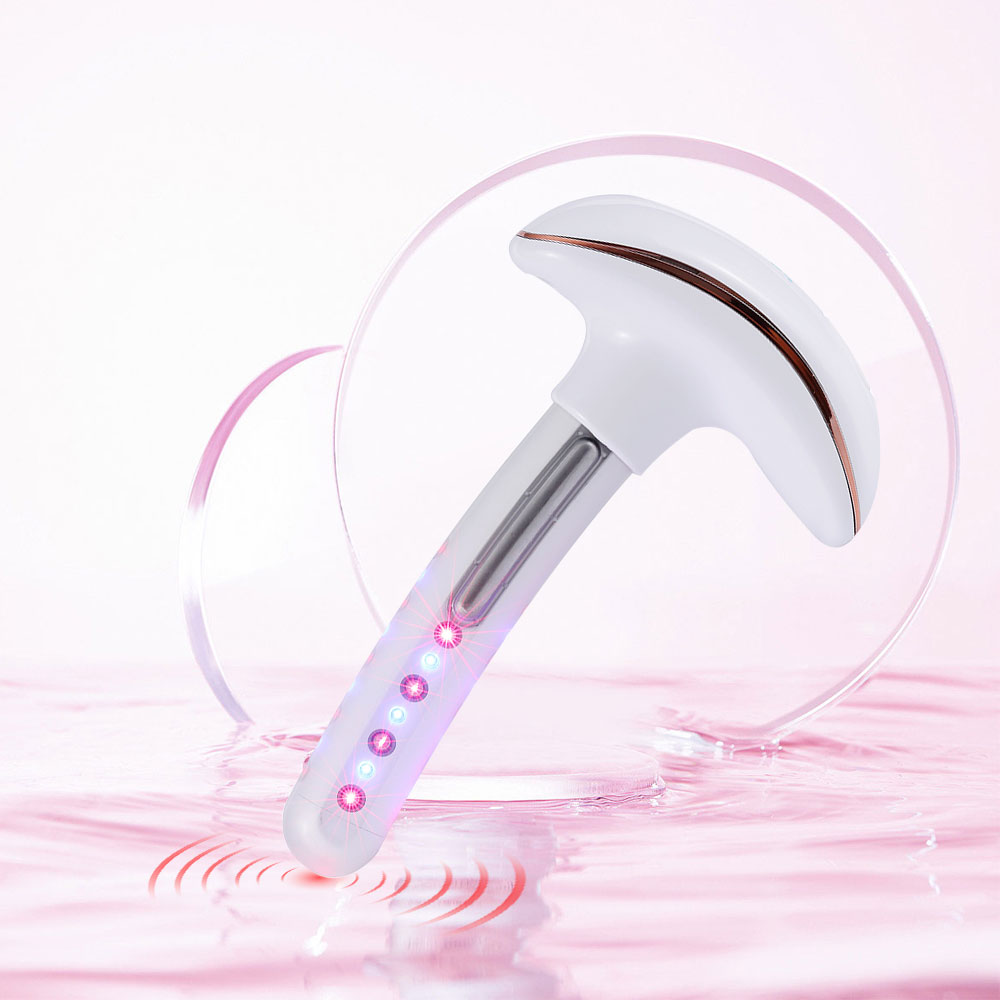
The pandemic fueled interest in DIY healthcare, leading to a 300% increase in sales of at-home vaginal rejuvenation devices since 2021. Marketed as discreet and convenient, these tools promise solutions for issues like dryness and mild atrophy. Yet dermatologists caution that 92% lack the safety features standard in clinical settings (WGME 2023).
In-Office Treatments vs. Home-Use Devices: Key Differences in Safety and Efficacy
| Factor | In-Office Devices | At-Home Devices |
|---|---|---|
| Energy Output | 100–300 J/cm² | 10–30 J/cm² |
| Treatment Monitoring | Real-time clinician adjustments | Pre-programmed settings |
| FDA Oversight | Cleared for specific conditions | Classified as cosmetics |
Professional lasers deliver precise, adjustable energy to targeted tissue layers, whereas home devices rely on generalized heating, increasing the risk of uneven exposure and thermal injury.
Dangers of Unsupervised Use: Tissue Damage, Infection, and Worsened Vaginitis
Improper use of at-home lasers poses serious risks. A 2023 study revealed:
- 3.2x higher rate of second-degree burns compared to clinical treatments
- 44% increase in post-treatment infections, largely due to inadequate sterilization
- 68% of users reporting increased itching or discharge from disrupted vaginal pH
These complications are especially concerning for individuals with active inflammation, as thermal trauma can exacerbate existing tissue damage and prolong symptoms.
Regulatory Gaps and the Future of Consumer Vaginal Laser Devices
Lack of oversight for at-home energy-based vaginal products
The at home gynecological device market, valued around $740 million, operates without any required safety evaluations for items aimed at issues such as vaginitis and atrophy. These kinds of devices generally sidestep clinical trials because they're marketed as wellness solutions instead of actual medical treatments. Looking at data from a recent 2024 safety review on medical devices, researchers discovered something concerning: about 63 percent of manufacturers haven't built in protection mechanisms to prevent tissue from getting too hot during use. And this overheating problem can lead directly to inflammation and tissue damage, which nobody wants when using intimate health products.
Need for standardized safety labeling and usage protocols
Current labeling requirements fail to mandate disclosures about burn risks or infection prevention for intimate-area laser use. Experts advocate for standards mirroring FDA regulations, including:
- Maximum energy output limits
- Clear contraindications (e.g., active infections, autoimmune skin disorders)
- Built-in thermal sensors to prevent overheating
Will the FDA ever approve safe, effective home-use laser treatments?
The FDA's 2023 draft guidance shows they're taking it slow despite all the new tech coming out there. They want every energy based product for intimate care classified as Class II medical devices. Getting approved means companies need to run those fancy randomized control trials that prove their stuff actually works better than the risks involved. And let's face it, none of the home devices on the market right now have cleared those hurdles. At the heart of this whole thing sits a tough problem nobody wants to mess up getting wrong. How do we give people access to these products while still keeping them safe when we're talking about such delicate parts of the body?
Table of Contents
- Understanding Vaginal Health and the Appeal of Laser Treatments
- FDA Stance on Laser Treatments for Vaginal Health
- Clinical Evidence and Controversies in Non-Surgical Laser Therapy
- The Rise of At-Home Laser Devices: Convenience vs. Risk
- Regulatory Gaps and the Future of Consumer Vaginal Laser Devices