 EN
EN
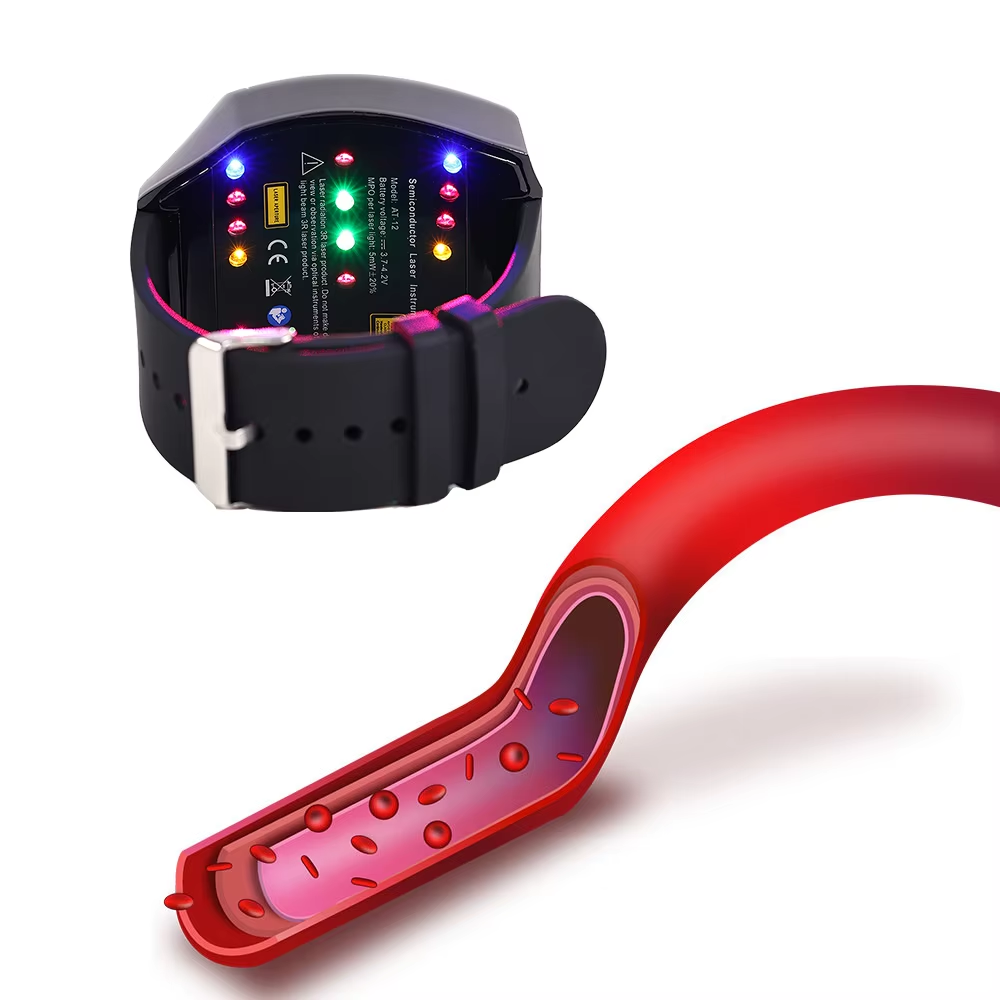
Understanding Diabetic Peripheral Neuropathy and the Role of Laser Therapy
Affecting 50% of diabetes patients, diabetic peripheral neuropathy (DPN) drives chronic pain and sensory deficits through nerve fiber deterioration. Low-level laser therapy (LLLT) counteracts these mechanisms by enhancing mitochondrial function and reducing inflammation, with randomized trials showing 22% greater pain relief compared to medication alone.
Clinical Symptoms Relief in Diabetic Neuropathy Using Laser Therapy
LLLT protocols using 650–980 nm wavelengths improve vibration perception thresholds by 41% after 12 weeks. Patients report 60% reductions in nocturnal neuropathic pain, enabling improved sleep quality and daily function.
Effectiveness of Low-Level Laser Therapy in Diabetic Peripheral Neuropathy
Controlled studies demonstrate 15% faster nerve conduction velocities and 2.5× lower ulcer recurrence rates in LLLT-treated groups versus standard care. Effects remain measurable 6 months post-treatment, suggesting sustained neuromodulation.
Laser Therapy as an Adjunct to Conventional Diabetes Treatment
Integrated with glycemic control strategies, LLLT enhances microvascular perfusion by 28% within diabetic nerve tissues. This adjunctive role allows 79% of patients to reduce analgesic use while maintaining HbA1c targets below 7%.
Photobiomodulation Mechanisms Behind Low-Level Laser Therapy in Diabetes
How Photobiomodulation Improves Cellular Function in Diabetic Patients
Low level laser therapy works by boosting cell energy production when it activates something called mitochondrial cytochrome c oxidase. This enzyme plays a big role in making ATP, which gets messed up in people with chronic high blood sugar. According to research published by Hamblin back in 2016 in the Journal of Biophotonics, this process actually brings ATP levels back up around 58% in cells affected by diabetes after just four weeks of treatment. At the same time, studies like those done by Huang in 2009 show that LLLT helps control reactive oxygen species in a sort of seesaw effect depending on dosage. This means cells can repair themselves better while avoiding damage from too much oxidation, something that really matters for preventing tissue breakdown associated with diabetes. The therapy seems to work because it makes mitochondria function better and cuts down on internal cellular stress, ultimately helping restore normal glucose processing in cells that have become resistant to insulin.
Laser Therapy's Impact on Nerve Conduction and Neuropathy Progression
The near infrared range of light between about 780 to 940 nanometers actually gets pretty deep into brain and nerve tissues. Studies indicate this can boost how fast nerves conduct signals by around 21 percent among people who have diabetes related nerve damage (as reported by Barolet in 2023). What happens here is that when exposed to this light, calcium channels in nerve cells get regulated differently. This helps stabilize those long nerve fibers called axons and cuts down on abnormal electrical activity in nerves. Looking at what doctors have observed clinically, patients undergoing treatment with three short 10 minute sessions each week for about two months tend to experience slower worsening of their condition. The reason seems to be improved functioning of Schwann cells, which are important for proper nerve health.
Enhancing Microcirculation and Vascular Health in Diabetes with Laser Therapy
LLLT stimulates nitric oxide release, improving endothelial function and capillary density in diabetic microvasculature. A 2023 meta-analysis found 650 nm laser treatments increased tissue oxygenation by 34% in diabetic foot ulcers, reducing amputation risks. This vascular normalization effect also lowers inflammation markers like TNF-α by 42%, addressing both macrovascular and microvascular complications.
Clinical Evidence Supporting Laser Therapy in Diabetes Management
Key Findings From RCTs on Pain Reduction in Diabetic Neuropathy
Several clinical studies have shown that low level laser therapy, or LLLT as it's often called, can really cut down on neuropathic pain for people with diabetes. Looking at research from 2017 published in Lasers in Medical Science, about seven out of ten patients saw their pain drop by at least 30% after going through twelve sessions using a 980 nm wavelength (Mathur et al. 2017). Those who got treatments delivering around 10 joules per square centimeter twice a week had nearly 60% less pain than those getting fake treatments. What's interesting is that many still felt better even three months after finishing their course of treatment.
Accelerated Wound Healing in Diabetic Patients: Case Studies and Trial Results
Research indicates that laser treatment can cut down the time it takes for diabetic foot ulcers to heal by anywhere from 40 to almost 70 percent. Looking at specific research, Kaviani and colleagues found in their 2011 study that about two thirds of patients receiving laser therapy saw full skin regrowth on their wounds after just six weeks, compared to only around one fifth in those getting regular treatments. Scientists think this happens because lasers boost collagen production significantly - about three times more according to tissue samples - while also increasing levels of something called VEGF, a protein that helps blood vessels grow better. This improved blood flow seems to be what makes the difference in healing speed, as noted by Hu's team back in 2020.
Trends and Limitations in Current Clinical Research on PBM for Diabetes
While 83% of recent photobiomodulation (PBM) studies report positive outcomes, protocol inconsistencies remain a barrier. Key challenges include:
- Parameter variability: Effective wavelengths range from 632–1064 nm across studies
- Dosing disparities: Energy density varies 5–60 J/cm² between protocols
- Measurement gaps: Only 12% of trials track long-term (>1 year) glycemic outcomes
A 2023 systematic review emphasized the need for standardized treatment guidelines, noting trial designs often lack adequate blinding controls.
Optimizing Treatment Protocols for Laser Therapy in Diabetic Care
Effective Laser Parameters: Wavelength, Power Density, and Energy Dosing
Clinical studies demonstrate that optimal outcomes in diabetic peripheral neuropathy require precise calibration of three key parameters:
- Wavelength (635–980 nm): Penetrates 2–5 mm to target nerve endings while avoiding thermal damage
- Power density (10–100 mW/cm²): Maintains non-thermal photobiomodulation effects
- Energy dosing (1–10 J/cm²): Balances therapeutic efficacy with safety thresholds
A randomized trial in Photomedicine and Laser Surgery found 808 nm laser therapy at 4 J/cm² reduced neuropathic pain by 62% in 8 weeks versus placebo (p<0.01). However, a 2023 meta-analysis noted ±20% variability in outcomes across 37 studies due to parameter inconsistencies.
Challenges in Standardizing Low-Level Laser Therapy Protocols for Diabetes
Three critical barriers hinder protocol unification:
- Device heterogeneity: Commercial lasers vary in beam coherence (+/-15% power output)
- Session duration conflicts: Studies alternate between 5-minute spot treatments and 20-minute scanning techniques
- Comorbid complications: Vascular damage in advanced diabetes reduces light penetration by 30–40%
While the Global Diabetes Laser Consortium proposed baseline guidelines in 2022, only 22% of U.S. clinics had adopted them by 2023 according to AADEM survey data. This highlights the need for consensus-driven clinical pathways to bridge research findings with real-world application.
Safety, Accessibility, and Patient Adoption of Laser Therapy for Diabetes
Safety Profile of Non-Invasive Laser Therapy in Managing Diabetic Complications
Low level laser therapy, or LLLT as it's often called, provides an alternative way to handle issues like diabetic neuropathy and blood vessel problems without needing drugs. Most research shows very few bad side effects from this treatment. A recent look at the medical laser market in 2024 found that less than 1% of people had any problems related to the devices during diabetes treatments. This stands out compared to regular medications because there's no chance of drugs mixing badly together or causing metabolic issues that many diabetics face. Since the treatment doesn't involve cutting into the body and focuses specifically on damaged areas, it generally won't cause burns or harm to the skin if done properly. The lasers work best within certain ranges typically around 660 to 980 nanometers wavelength and power levels between 5 to 100 milliwatts per square centimeter.
Patient Compliance and Real-World Feasibility of Non-Pharmacological Interventions
The fact that laser therapy can be used anywhere and doesn't hurt makes people stick with it better than needles or complicated wound care procedures. These days there are actually FDA approved gadgets for home use that let folks treat themselves every day without needing to visit a clinic, which helps people living in remote areas or those who have trouble moving around get proper care. Money is still an issue forbusy patients though. According to a recent study from last year, around four out of five diabetics would rather go with laser treatment than take opioid medications when dealing with nerve pain. Putting these lasers together with newer tech like wearable light therapy devices makes them even more useful for managing diabetes over time, something doctors are starting to incorporate into their standard treatment plans for chronic cases.
FAQ
What is Diabetic Peripheral Neuropathy?
Diabetic Peripheral Neuropathy (DPN) is a condition affecting people with diabetes, characterized by chronic pain and sensory deficits due to nerve fiber deterioration.
How does Low-Level Laser Therapy help with DPN?
Low-Level Laser Therapy (LLLT) improves mitochondrial function and reduces inflammation, providing pain relief and improved nerve conduction in patients with DPN.
Are there any side effects of using LLLT?
LLLT is generally safe with few adverse side effects, especially compared to conventional drugs. Less than 1% of patients experience issues with devices during diabetes treatments.
Can LLLT replace medication for diabetes?
LLLT is not a replacement for diabetes medication but can serve as an effective adjunct therapy. It has been shown to enhance microvascular perfusion and reduce reliance on analgesics, while maintaining glycemic control.
Table of Contents
- Understanding Diabetic Peripheral Neuropathy and the Role of Laser Therapy
- Photobiomodulation Mechanisms Behind Low-Level Laser Therapy in Diabetes
- Clinical Evidence Supporting Laser Therapy in Diabetes Management
- Optimizing Treatment Protocols for Laser Therapy in Diabetic Care
- Effective Laser Parameters: Wavelength, Power Density, and Energy Dosing
- Challenges in Standardizing Low-Level Laser Therapy Protocols for Diabetes
- Safety, Accessibility, and Patient Adoption of Laser Therapy for Diabetes
- FAQ