
 EN
EN
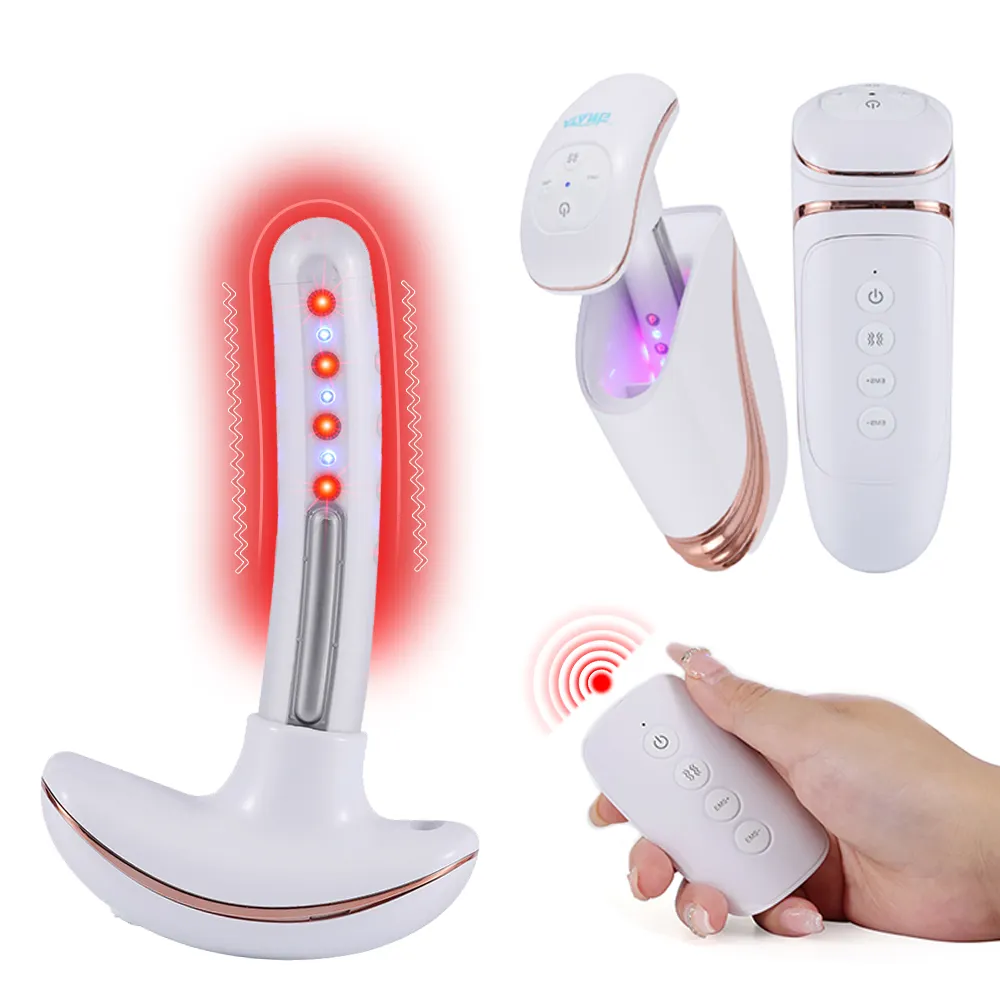
Understanding Vaginal Yeast Infection: Clinical Definition and Prevalence
What Is a Vaginal Yeast Infection? Defining Candida-Related Vulvovaginitis
Vaginal yeast infections, also known as vulvovaginal candidiasis, happen when certain types of fungus grow out of control in the vagina. Most often, these infections come from a type called Candida albicans, which doctors say causes between 80 to 92 percent of all cases according to research published by the Global Women's Health Initiative last year. Normally, small amounts of these fungi live in the vaginal area without any problems, but things get out of whack when there are changes in hormones, after taking antibiotics, or when the immune system isn't working quite right. When someone has one of these infections, they usually experience itching around the vulva and vagina, redness, and a thick white discharge that looks kind of like cottage cheese. People sometimes confuse this with bacterial vaginosis, but the key difference is that yeast infections result from too much fungus growing instead of harmful bacteria taking over.
How Common Is Vaginal Yeast Infection? Epidemiology and Risk Factors
Around 70 to 75 percent of women will have at least one noticeable problem by the time they reach 40 years old, and roughly 8 to 10 percent end up dealing with repeat issues, sometimes four times or more each year. There are several things that can put someone at greater risk for these problems. Taking antibiotics for too long tends to wipe out helpful bacteria called lactobacillus. High blood sugar from diabetes also matters because it makes vaginal fluids sweeter than normal. Hormonal changes during pregnancy or when taking certain medications can throw things off balance too. And let's not forget about those tight synthetic clothes people wear all day long - they basically create a perfect breeding ground for trouble with all that warmth and moisture trapped against the skin. Women living in hot, humid areas actually face about 12 to 18 percent higher chances of encountering these issues compared to folks in cooler climates. Good hygiene practices definitely help prevent problems, but overdoing it with douches can backfire badly since this messes with the body's natural acid balance that keeps everything healthy.
Accurate Diagnosis of Vaginal Yeast Infection in Clinical Practice
Clinical Evaluation: Symptoms and Pelvic Examination
The diagnostic process typically starts by looking at key symptoms including vaginal itching which affects around 80 to 90 percent of affected women, along with thick cottage cheese-like discharge and discomfort when urinating. When performing a pelvic exam, doctors frequently notice redness, swelling, and those characteristic white patches that stick to the skin surface, all signs pointing toward a Candida infection. Keeping track of how long symptoms last and whether they come back repeatedly is important too. About half of women who experience repeated symptoms might need additional testing besides just what can be seen during a physical exam, according to recent studies in clinical practice guidelines.
Laboratory Confirmation: Microscopy, Culture, and Molecular Testing for Candida
Clinical diagnosis isn't always spot on, typically landing somewhere between 60 to 70% accurate. That's why lab tests remain so important when making treatment choices that really matter. Looking at vaginal discharge treated with 10% KOH under a microscope finds those telltale pseudohyphae structures around two thirds of the time in acute cases. For doctors dealing with stubborn infections, chromogenic agar cultures make all the difference in catching those tricky non-albicans species such as Candida glabrata, responsible for roughly 15 to 20% of repeat infections according to recent studies. The newer PCR tests are game changers though, hitting around 92 to 95% sensitivity rates for identifying exactly which species we're dealing with. These molecular methods become especially valuable when older techniques just can't give clear answers, something many clinicians have experienced firsthand during difficult diagnostic situations.
Differential Diagnosis: Distinguishing from Similar Conditions and Avoiding Misuse of OTC Treatments
About one third of all cases get misdiagnosed based just on symptoms since bacterial vaginosis (BV) looks so much like aerobic vaginitis sometimes. When checking vaginal pH levels above 4.5 is pretty telling for BV instead of yeast infections. These tests are pretty good at catching it too, around 89% sensitive and 94% specific according to research. The Centers for Disease Control points out something alarming though: nearly two thirds of people buying those OTC antifungal treatments probably don't even have real Candida infections. This can really mess up timely diagnosis when someone might actually have something else going on like desquamative inflammatory vaginitis or maybe contact dermatitis from products they're using. Before jumping into antifungal treatment, doctors generally recommend doing nucleic acid amplification tests first to make sure there aren't any sexually transmitted infections present that need attention too.
First-Line Antifungal Treatments for Uncomplicated Vaginal Yeast Infection
Fluconazole and Clotrimazole: Mechanisms of Action and Administration Routes
When it comes to treating simple vaginal yeast infections, doctors typically prescribe either oral fluconazole or topical clotrimazole as their go-to options. Fluconazole works by stopping the fungus from making ergosterol, which they need for survival, and this happens because it interferes with something called cytochrome P450 enzymes. According to the CDC report from 2023, most women get better after taking just one 150 mg pill of fluconazole, with success rates above 90%. Clotrimazole takes a different approach altogether. It damages the outer layer of Candida cells through what's known as azole binding. Patients usually apply clotrimazole cream inside the vagina or insert suppositories for periods ranging between one day up to seven days depending on severity. While both medications work well against the common culprit C. albicans, there's growing concern about drug resistance these days. That's why identifying exactly which type of Candida is causing the infection becomes really important when dealing with stubborn or recurring infections.
Oral vs. Topical Therapy: Efficacy, Patient Preference, and Adherence
Studies have shown that both oral and topical treatments work pretty similarly when it comes to resolving symptoms, with around 87% success rate for pills and about 85% for creams. But what people actually choose can be all over the map. A recent study published in JAMA back in 2023 found that most folks (about 62%) go for the single dose pill option because it's just easier to take once and forget about it. Meanwhile, roughly 34% stick with topical treatments since they tend to act right where the problem is. When it comes to side effects, there's also a noticeable difference. About 12 out of every 100 people taking the oral medication experience things like nausea or headaches, whereas only about 4% get irritated skin reactions from the topical stuff. These kinds of variations matter a lot for whether patients follow through with their treatment plans. Doctors need to talk through these options carefully, particularly for those who might have sensitive stomachs or existing liver issues that make certain medications riskier.
Safety and Side Effect Profiles of Common Antifungals
Fluconazole has some pretty rare but serious side effects, happening in less than 1% of cases, including liver damage and changes in heart rhythm (QTc prolongation). Doctors usually watch out for these issues when prescribing it to people taking lots of other meds or those already dealing with liver problems. For topical treatments like clotrimazole, there's not much absorption into the bloodstream, which makes these options safer choices for pregnant women and folks with impaired liver function. A recent study from Cochrane in 2024 found about 6 out of 100 people stopped using topical creams because they burned or irritated their skin, while only around 3% quit oral medications due to stomach troubles. When deciding what treatment works best, healthcare providers need to consider how bad the infection is, the drug's safety record, and each patient's unique health situation.
Managing Complicated and Recurrent Vaginal Yeast Infections
Defining Complicated and Recurrent Cases: CDC Guidelines
According to the Centers for Disease Control, complicated vaginal yeast infections typically involve severe symptoms, occur during pregnancy, affect women with uncontrolled diabetes, happen in people with weakened immune systems, or are caused by non-albicans Candida species. When it comes to recurrent infections, doctors usually diagnose these cases when someone experiences four or more flare-ups over the course of a year. Statistics suggest this happens in about 5 to 9 percent of women according to recent CDC data from 2023. Testing for Candida through microscopic examination or lab cultures remains important because many other conditions can look similar. Conditions like bacterial vaginosis might present with comparable symptoms but require different treatment approaches altogether.
Extended and Maintenance Antifungal Regimens: Weekly Fluconazole and Beyond
When dealing with complicated situations, doctors usually suggest longer treatment periods. Patients might need to apply topical azoles for between seven to fourteen days or take two 150 mg pills of oral fluconazole spaced three days apart. For those who keep getting infected again, ongoing therapy becomes necessary. Some studies show that taking fluconazole once a week for half a year cuts down on repeat infections by almost ninety percent according to research published in the Journal of Antimicrobial Chemotherapy back in 2023. The downside though? Sticking with azoles for too long can lead to resistance issues, especially with certain fungi types not related to Candida albicans such as C. glabrata.
Partner Management and Prevention Strategies
Doctors generally don't suggest treating partners who show no symptoms themselves, though using condoms when someone is actually experiencing symptoms can help cut down on spreading the infection. To stay ahead of problems, it's wise to skip douching altogether since that tends to disrupt natural balances. Cotton underwear works better than synthetic materials for airflow, and finishing those antifungal medications exactly as prescribed matters a lot. There's also growing evidence supporting daily probiotics with specific Lactobacillus strains. A big study from 2022 found these probiotics reduced repeat infections by about a third compared to nothing at all, which sounds pretty promising for anyone dealing with recurring issues.
Addressing Antifungal Resistance and Overuse Concerns
About 18 percent of people who get these infections again show resistance to azoles, mostly because folks grab them from drug stores without prescriptions or stop taking them too soon according to CDC data from last year. When dealing with these tough cases, doctors really need to do proper fungal cultures first before prescribing anything. There are alternatives though. Some patients find relief with things like boric acid suppositories while others might benefit from applying ciclopirox cream directly on affected areas. These treatments work well against stubborn strains such as Candida glabrata and Candida krusei that just won't respond to standard medications. The good news? Public awareness campaigns pushing for smarter treatment approaches have actually cut down on wasteful antifungal prescriptions by roughly 22%, per a study published in Clinical Infectious Diseases back in 2022.
Advanced Clinical Strategies for Refractory and Non-Albicans Vaginal Yeast Infections
Rising Challenge: Non-Albicans Candida Species and Fluconazole Resistance
The non albicans Candida types such as C glabrata and C krusei are responsible for around 20 to 30 percent of all vaginal yeast infections these days. About two thirds of stubborn C glabrata cases show built in resistance to fluconazole according to recent research from 2023 on antifungal drugs. This often means women suffer longer with recurring symptoms after treatment. When doctors prescribe fluconazole for C krusei infections without proper testing first, nearly 4 out of 10 patients don't respond well to the medication. That's why getting an accurate diagnosis about which specific Candida strain is causing the infection becomes so important before beginning any kind of treatment plan.
Tailoring Treatment Based on Fungal Species Identification
Precise identification through microscopy, culture, or PCR enables targeted therapy:
- C. glabrata: Responds better to boric acid suppositories (600 mg daily for 14 days) or newer triazoles
- C. parapsilosis: Retains azole susceptibility in 85% of isolates, making topical clotrimazole effective
- C. tropicalis: Requires higher-dose fluconazole (150 mg every 72 hours for three doses)
Species-directed treatment reduces recurrence rates from 52% to 18% compared to empiric approaches.
Case Example: Effective Management of Candida glabrata Infection
A 34-year-old woman with four recurrent infections per year unresponsive to fluconazole underwent fungal culture that confirmed C. glabrata. She was treated with:
- Boric acid vaginal suppositories nightly for 14 days
-
Maintenance therapy: Twice-weekly topical azoles for 6 months
At 12-month follow-up, she reported no recurrences, illustrating the effectiveness of species-specific management.
Clinical Algorithm for Resistant or Refractory Vaginal Yeast Infection
- Confirm diagnosis: Exclude mimics like bacterial vaginosis using pH testing
- Identify species: Use culture or MALDI-TOF for non-albicans detection
-
Select therapy:
- Azole-sensitive strains: Extended fluconazole (three 150 mg doses over one week)
- Azole-resistant strains: Boric acid or topical amphotericin B
- Prevent recurrence: Six-month maintenance with monthly fluconazole or weekly boric acid
When followed rigorously, this protocol achieves 87% symptom resolution in refractory cases.
Frequently Asked Questions (FAQ)
What are the symptoms of a vaginal yeast infection?
Symptoms often include vaginal itching, redness, swelling, and a thick white discharge that resembles cottage cheese.
How is a vaginal yeast infection diagnosed?
Diagnosis typically involves a pelvic examination and lab tests such as microscopy, culture, or PCR to identify the fungus present.
Are oral or topical treatments more effective for treating yeast infections?
Both oral and topical treatments are effective; the choice often depends on patient preference, side effects, and convenience.
What should be done in recurrent or resistant cases?
In cases of resistance or recurrence, proper fungal cultures should be conducted to tailor treatment and consider alternatives like boric acid suppositories.
Can lifestyle changes help prevent yeast infections?
Yes, wearing cotton underwear, avoiding douching, and taking probiotics can help prevent infections.
Table of Contents
- Understanding Vaginal Yeast Infection: Clinical Definition and Prevalence
- Accurate Diagnosis of Vaginal Yeast Infection in Clinical Practice
- First-Line Antifungal Treatments for Uncomplicated Vaginal Yeast Infection
- Managing Complicated and Recurrent Vaginal Yeast Infections
- Advanced Clinical Strategies for Refractory and Non-Albicans Vaginal Yeast Infections
- Frequently Asked Questions (FAQ)