
 EN
EN
Understanding Vaginal Yeast Infections: Core Basics for Clinical Treatment
Vaginal yeast infections are one of the most common gynecological issues affecting women of all ages, caused by an overgrowth of Candida, most commonly Candida albicans. Clinically, the condition presents with a range of uncomfortable symptoms including intense vaginal itching, burning sensations during urination or intercourse, thick white vaginal discharge, and redness or swelling of the vaginal area. For effective clinical treatment, the first step is accurate diagnosis—distinguishing yeast infections from other vaginal conditions such as bacterial vaginosis or trichomoniasis, as misdiagnosis leads to ineffective treatment and recurrent symptoms. Clinical diagnosis typically combines physical examinations, patient symptom descriptions, and laboratory tests like vaginal swab cultures to confirm the presence of Candida and rule out other pathogens. This foundational step ensures that subsequent treatment plans are targeted and tailored to the root cause of the infection.
Another key aspect of clinical understanding is identifying risk factors that contribute to yeast infection development, as addressing these factors is critical for both treatment success and prevention of recurrence. Common clinical risk factors include antibiotic use (which disrupts the vaginal microbiome), hormonal changes from pregnancy or hormonal contraceptives, compromised immune function, uncontrolled diabetes, and poor vaginal hygiene practices. Clinicians must assess these factors alongside the infection itself, as integrating risk factor management into treatment plans significantly improves clinical outcomes and reduces the likelihood of the infection returning after initial treatment.
Evidence-Based Clinical Treatment Modalities for Vaginal Yeast Infections
Conventional Pharmacological Treatments
The gold standard for clinical treatment of vaginal yeast infections has long been pharmacological interventions, divided into topical and oral antifungal medications. Topical treatments include creams, suppositories, and ointments containing clotrimazole, miconazole, or terconazole, which deliver antifungal agents directly to the infection site, minimizing systemic side effects—making them a preferred choice for pregnant women or patients with mild to moderate infections in clinical practice. Oral antifungals such as fluconazole offer a convenient single-dose or short-course option for uncomplicated infections, with rapid systemic action to eliminate Candida overgrowth. Clinically, healthcare providers select the appropriate formulation and dosage based on infection severity, patient medical history, and individual health status, ensuring optimal efficacy while mitigating potential adverse effects. For recurrent yeast infections (defined as four or more episodes in a year), clinical protocols often involve extended initial treatment followed by maintenance antifungal therapy to prevent relapse.
Advanced Non-Pharmacological Clinical Therapies
In recent years, advanced non-pharmacological treatments have emerged as effective clinical alternatives and adjuncts to traditional antifungals, particularly for patients with recurrent infections or those seeking drug-free options. Laser therapy, a cutting-edge clinical approach, uses targeted cold laser wavelengths (such as 650nm semiconductor laser) to reduce inflammation, eliminate harmful bacteria and Candida, and restore the balance of the vaginal microbiome—all without the use of pharmaceuticals. When combined with Electrical Muscle Stimulation (EMS), laser therapy further enhances clinical outcomes by promoting vaginal muscle contraction, improving local blood circulation, and strengthening the vaginal mucosal barrier, which is crucial for preventing future infection. This combination therapy is clinically proven to address not only the acute symptoms of yeast infections but also underlying vaginal health issues that contribute to recurrence, such as weakened vaginal tissue or chronic inflammation.
Another non-pharmacological clinical intervention gaining traction is light therapy, including blue light therapy, which has antimicrobial properties that target Candida while preserving the beneficial lactobacilli in the vaginal microbiome. Unlike antifungal drugs that can disrupt the natural vaginal flora, blue light therapy acts selectively, making it a safe and effective clinical option for long-term vaginal health management. When integrated into a comprehensive treatment plan, these non-pharmacological modalities provide clinicians with a broader toolkit to treat yeast infections and support overall gynecological wellness, especially for patients who do not respond well to or cannot tolerate antifungal medications.
Integrating Gynecological Device Technology into Clinical Yeast Infection Treatment
The Role of Specialized Gynecological Laser Devices in Clinical Practice
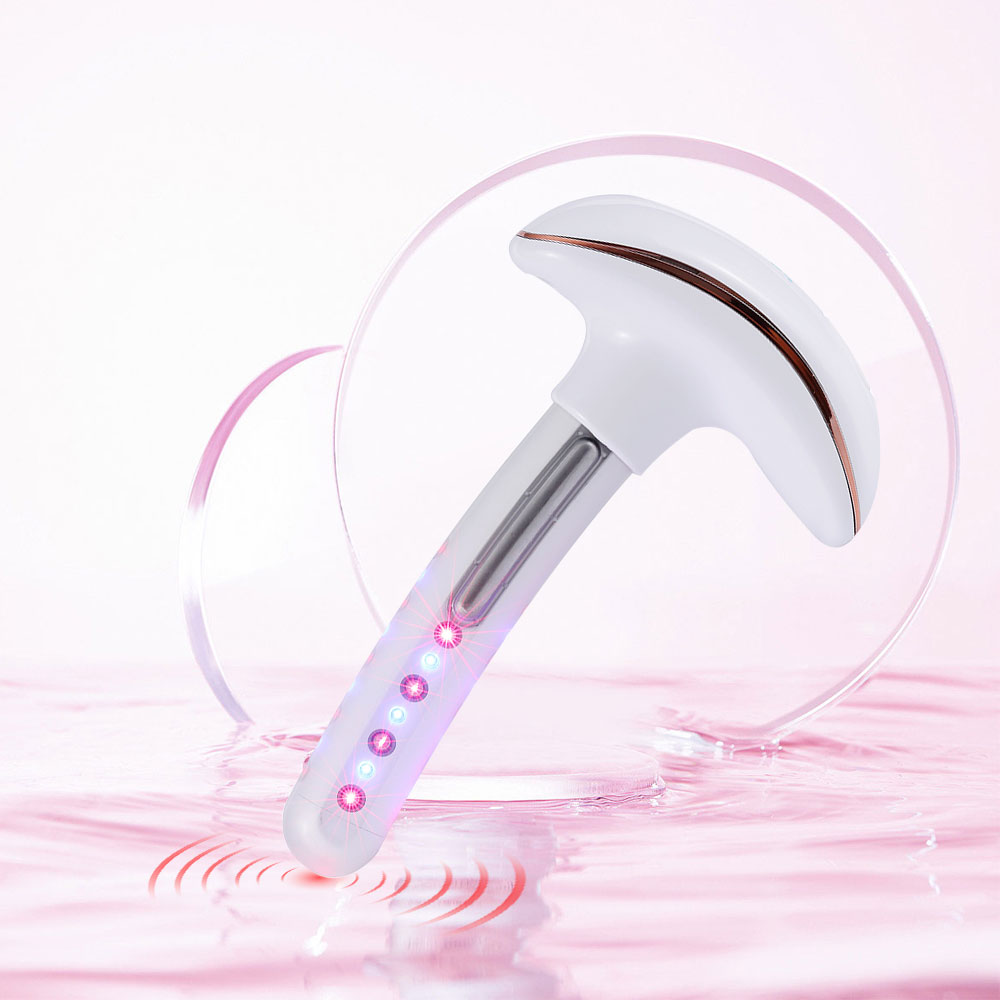
Modern clinical treatment of vaginal yeast infections is increasingly enhanced by specialized gynecological devices that combine multiple therapeutic technologies for synergistic effects. Devices such as the cold laser + EMS vaginal therapy instruments, designed and manufactured by ATANG—a leading specialist in home smart healthcare products with FDA registration (3015515517), CE certification, and SGS laser safety compliance—are transforming clinical care by delivering targeted, non-invasive treatment. These devices utilize 650nm semiconductor laser (a 3R laser product with strict clinical safety standards) to irradiate the vaginal area, effectively reducing inflammation, eliminating Candida, and detoxifying the vaginal environment—core clinical goals for yeast infection treatment. The integrated EMS technology complements the laser therapy by stimulating vaginal muscle contraction, which improves local blood flow, accelerates tissue repair, and restores vaginal elasticity, addressing both the infection and associated vaginal health concerns like laxity that can exacerbate infection risk.
Clinically, these devices are designed for ease of use, with adjustable settings and remote control functionality, allowing for personalized treatment protocols tailored to each patient’s infection severity and vaginal health needs. The cold laser technology ensures that treatment is painless and non-ablative, making it a well-tolerated clinical option for patients of all ages, including post-pregnancy women recovering from childbirth—an at-risk group for yeast infections due to hormonal and physical changes. With clinical reports validating their efficacy, these gynecological laser devices have become a valuable addition to clinical practice, offering a drug-free, repeatable treatment option for both acute and recurrent vaginal yeast infections.
Clinical Benefits of Combined Therapy Devices for Long-Term Vaginal Health
Combined therapy devices that integrate laser, EMS, blue light, and vibration massage offer unique clinical benefits for the treatment of vaginal yeast infections and the maintenance of long-term vaginal health. Blue light therapy, a key component of these devices, adds an extra layer of antimicrobial action in clinical treatment, targeting Candida and other harmful pathogens while supporting the growth of beneficial lactobacilli—critical for restoring the vaginal microbiome’s natural balance, a key clinical objective for preventing infection recurrence. Vibration massage further enhances clinical efficacy by improving the absorption of laser and light therapy, increasing local blood circulation, and relieving the itching and discomfort associated with yeast infections, providing immediate symptomatic relief for patients.
In clinical practice, these multi-functional devices are not only used for active yeast infection treatment but also as a preventive care tool for high-risk patients. For example, patients with uncontrolled diabetes, a major clinical risk factor for yeast infections, can use the devices regularly to maintain vaginal health, reduce inflammation, and prevent Candida overgrowth. Post-menopausal women, who experience vaginal dryness and reduced mucosal immunity due to hormonal changes, also benefit clinically from these devices—they promote vaginal tissue health, reduce infection risk, and alleviate menopausal gynecological symptoms. ATANG’s gynecological therapy devices, backed by clinical studies and design patents, are engineered to meet clinical safety and efficacy standards, making them a reliable choice for healthcare providers looking to offer advanced, patient-centered treatment for vaginal yeast infections.
Clinical Best Practices for Treating Vaginal Yeast Infections and Preventing Recurrence
Individualized Clinical Treatment Planning
Effective clinical treatment of vaginal yeast infections hinges on individualized care plans that consider the unique needs of each patient. Clinicians must conduct a comprehensive assessment that includes infection severity, medical history, risk factors, and patient preferences—whether they prefer pharmacological or non-pharmacological treatments. For example, a pregnant patient with a mild yeast infection may be prescribed topical antifungals or laser therapy (a drug-free clinical option) to avoid potential fetal risk, while a patient with recurrent infections and uncontrolled diabetes will require a combination of antifungal therapy, diabetes management, and long-term non-pharmacological vaginal health support. Individualized planning also involves setting clear clinical goals, such as resolving acute symptoms within a specific timeframe and preventing recurrence through ongoing care, and adjusting the treatment plan as needed based on the patient’s response.
Integrating Clinical Treatment with Preventive Care
Preventive care is an integral part of effective clinical management of vaginal yeast infections, as treating the acute infection alone is insufficient to prevent future episodes. Clinicians must educate patients on evidence-based preventive measures, including maintaining proper vaginal hygiene (avoiding harsh soaps or douches that disrupt the microbiome), wearing breathable cotton underwear, avoiding prolonged antibiotic use when possible, and managing underlying health conditions like diabetes. For patients who have completed treatment for a yeast infection, clinical follow-up is essential to monitor vaginal health, confirm the infection is resolved, and address any lingering symptoms or risk factors. Non-pharmacological therapies, such as regular use of laser/EMS gynecological devices, can also be recommended as part of a clinical preventive care plan, helping to maintain a healthy vaginal microbiome, reduce inflammation, and strengthen vaginal tissue—all of which lower the risk of recurrent yeast infections.
Collaborative Clinical Care for Complex Cases
For complex cases of vaginal yeast infections, such as recurrent infections, infections caused by non-albicans Candida strains (which may be resistant to standard antifungals), or infections in patients with compromised immune function, collaborative clinical care is key. This may involve working with specialists such as gynecologists, infectious disease physicians, and endocrinologists (for patients with diabetes or hormonal disorders) to develop a comprehensive treatment plan that addresses all underlying factors. In these cases, advanced non-pharmacological therapies like laser and light therapy can play a critical clinical role, offering alternative treatment options for drug-resistant infections or patients with contraindications to antifungal medications. Clinical collaboration also ensures that patients receive consistent care across different healthcare settings, with clear communication between providers about treatment progress and preventive care strategies.
Conclusion: Evolving Clinical Approaches to Vaginal Yeast Infection Treatment
The clinical treatment of vaginal yeast infections has evolved significantly in recent years, moving beyond traditional antifungal medications to include advanced non-pharmacological therapies and specialized gynecological device technology. By combining accurate diagnosis, evidence-based pharmacological treatments, and cutting-edge laser/EMS/light therapy devices, clinicians can deliver more effective, personalized care that addresses both the acute symptoms of yeast infections and the underlying vaginal health issues that contribute to recurrence. ATANG’s gynecological therapy devices, with their FDA and CE certification, clinical reports validating efficacy, and integration of multiple therapeutic technologies, exemplify the innovative solutions transforming clinical gynecological care—offering drug-free, safe, and effective treatment options for patients worldwide.
Ultimately, effective clinical treatment of vaginal yeast infections requires a holistic approach that combines targeted therapy, risk factor management, and preventive care. By staying current with the latest clinical research and technological advancements, healthcare providers can ensure that patients receive the highest standard of care, resolving their infection symptoms and supporting long-term vaginal health. As the field of gynecological care continues to advance, the integration of smart healthcare technology into clinical practice will further improve outcomes, making it easier for clinicians to treat vaginal yeast infections effectively and help women maintain optimal gynecological wellness throughout their lives.
Table of Contents
- Understanding Vaginal Yeast Infections: Core Basics for Clinical Treatment
- Evidence-Based Clinical Treatment Modalities for Vaginal Yeast Infections
- Integrating Gynecological Device Technology into Clinical Yeast Infection Treatment
- Clinical Best Practices for Treating Vaginal Yeast Infections and Preventing Recurrence
- Conclusion: Evolving Clinical Approaches to Vaginal Yeast Infection Treatment