
 EN
EN
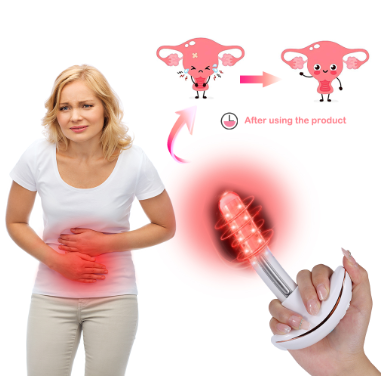
How Smart Devices Address Urinary Incontinence: Mechanisms and Core Categories
Physical Support, Urethral Sealing, and Neuromuscular Training: How Devices Target Root Causes
Smart devices tackle urinary incontinence using three different ways to fix what's actually wrong instead of just covering up the problem. First up are physical supports like urethral inserts or vaginal pessaries that hold things in place when someone moves around or coughs. These help keep the pelvic area stable so leaks don't happen unexpectedly. Then there's the sealing tech stuff which works by creating a sort of temporary wall at the bladder exit point either through special materials or light suction. The third category involves neuromuscular training devices that come with sensors to track progress while doing those pelvic floor exercises everyone hears about but rarely sticks with. Studies indicate that people who stick with this kind of training see their muscles get stronger over time, though results can vary quite a bit from person to person. What makes all these options stand out compared to regular pads or adult diapers is that they go after the actual issues causing incontinence problems like organs shifting position, weak sphincters, and poor nerve signals between brain and muscles.
Gender-Specific Design Logic: Why Urinary Incontinence Devices Differ for Men and Women
The way bodies are built and function leads to completely different approaches when designing medical equipment. For men, things like penile clamps or those external urinary sheaths work because their anatomy has longer urethras and external genitalia. On the other hand, female designs tend to focus more on intravaginal support systems or shorter urethral inserts. Pelvic floor exercises for women often target the levator ani muscles rather than focusing so much on sphincter control. Why does this matter? Well, research shows that when doctors prescribe the wrong type of device for someone based on their gender, it can cut down effectiveness anywhere from 40 to 60 percent according to urodynamic testing. Getting the right fit matters a lot not just for comfort but also for how well these treatments actually work over time. When devices match up properly with male or female physiology, patients get better results and stay engaged with their therapy programs longer.
Clinical and Real-World Evidence for Urinary Incontinence Devices
Electrical Stimulation Devices (e.g., Emsella, Kegel Trainers): What RCTs and Long-Term Registries Show
Neuromuscular stimulation devices that deliver electrical pulses can really boost pelvic floor strength, and there's solid evidence backing this up from various kinds of studies. One big trial back in 2022 found that people using these devices experienced about 63% fewer leakage incidents after 12 weeks compared to those who didn't use them. Looking at longer term results is also encouraging. Real world data collected from more than 1,200 individuals over 24 months shows that around 78% continue to see improvements in their symptoms, especially women dealing with stress urinary incontinence issues. Some newer high intensity focused electromagnetic systems, often available as chair based options, actually cause visible muscle growth in the pelvic area according to MRI scans. Getting the most out of treatment usually means sticking with the recommended schedule though most programs suggest doing sessions two or three times each week for roughly six to eight weeks total.
| Evidence Type | Key Findings | Duration | Population |
|---|---|---|---|
| RCTs (e.g., Weinstein et al. 2022) | 63% reduction in leakage episodes | 12 weeks | 300+ participants |
| Registries (e.g., Keyser et al. 2023) | 78% sustained symptom improvement | 24 months | 1,200+ real-world users |
Safety note: Mild muscle soreness occurs in ~15% of users initially; severe adverse events are rare (<1%).
Smart Wearables and Leak-Detection Systems: Accuracy, User Engagement, and Behavioral Impact
Wearables for urinary incontinence do more than just detect problems—they actually help people change their habits through real time feedback and coaching. The devices use tiny motion sensors that pick up on those barely noticeable pelvic movements that often signal an accident is coming soon. When these sensors are set up right, they can warn someone about potential leaks with around 89% accuracy before anything happens. People stick with these programs much better too. Gamification elements in the apps have been shown to boost daily exercise completion rates from about 58% initially up to around 83% after six months. Looking at actual behavior changes, roughly two thirds of folks who keep using these devices cut down on pad usage by over half within three months. They get guidance on when to drink water and what activities might be triggering issues based on data collected by the wearable. Early adopters did experience some false alarms (around 12 to 20% of the time), but newer versions learn from each person's bathroom habits recorded in their diary entries, getting smarter and more accurate as time goes on.
External Wearable Solutions for Urinary Incontinence: Practicality, Safety, and Limitations
Urinary Sheaths, Collection Systems, and Adhesive-Based Devices: Balancing Discretion with Skin Health
Wearable options outside the body such as urinary sheaths, those leg bags people carry around, and sticky containment gear provide a way for active folks to manage their needs without going under the skin. These products work by steering urine away from where it doesn't belong, which helps cut down on smells, stops embarrassing leaks, and keeps skin dry. But there are problems when these things stay on too long. Skin issues pop up for about a third of users who experience irritation, softening of the skin surface, or even sores caused by pressure points. This tends to happen more often with devices that don't fit right or leave behind stubborn adhesive residue after removal.
- Material breathability: Silicone sheaths reduce friction and heat retention compared to latex alternatives.
- Adhesive tolerance: Hydrocolloid adhesives lower removal trauma but demand thorough skin cleansing and drying before application.
- Hygiene discipline: Daily device rotation, barrier cream use, and inspection of high-moisture zones prevent progressive skin compromise.
While these systems support mobility and independence, their long-term safety hinges on proper sizing, regular clinical review, and alignment with individual activity levels and skin integrity.
Choosing the Right Urinary Incontinence Device: A Step-by-Step Decision Framework
Finding the right urinary incontinence product isn't about random guessing but matching how devices work with what our bodies need. Start by figuring out how bad the leaks are. Think about it this way: if it's just a few drops here and there, that's light leakage. When someone goes occasionally without realizing, that's moderate. And when clothes get soaked multiple times a day, that's definitely heavy. Knowing where we fall helps pick products that actually work for us. For people who spend most time in bed, look for super absorbent briefs with those indicator lines that change color when wet. Active folks usually do better with pull-ups that have good protection around the legs and let air circulate. Skin health matters too. Make sure whatever we choose pulls moisture away from the skin quickly because cheap products can cause rashes in about three quarters of users according to a study published last year in the British Journal of Nursing. Try things out in real life situations. Wear them while doing regular stuff and check after four hours or so for comfort, whether they stay put during movement, and how they handle smells. Taking this approach turns what could be an impossible decision into something much more manageable and actually works for both body and skin.
FAQ:
What are the primary categories of devices for urinary incontinence?
Smart devices for urinary incontinence mainly fall into three categories: physical supports (like urethral inserts or vaginal pessaries), sealing technology, and neuromuscular training devices.
Why do urinary incontinence devices differ between men and women?
The designs differ due to anatomical and functional differences, requiring gender-specific solutions for optimal effectiveness.
What evidence supports the effectiveness of electrical stimulation devices for incontinence?
RCTs and long-term registries show significant improvements in leakage reduction and symptom relief with the use of electrical stimulation devices.
How do smart wearables for urinary incontinence enhance user engagement?
Smart wearables provide real-time feedback, use gamification elements, and offer behavioral guidance, thus promoting better user engagement and habit change.
What considerations should be taken when using external wearable solutions for incontinence?
Consider material breathability, adhesive tolerance, and hygiene discipline to ensure comfort and skin health while using external wearable solutions.
Table of Contents
- How Smart Devices Address Urinary Incontinence: Mechanisms and Core Categories
- Clinical and Real-World Evidence for Urinary Incontinence Devices
- External Wearable Solutions for Urinary Incontinence: Practicality, Safety, and Limitations
- Choosing the Right Urinary Incontinence Device: A Step-by-Step Decision Framework
-
FAQ:
- What are the primary categories of devices for urinary incontinence?
- Why do urinary incontinence devices differ between men and women?
- What evidence supports the effectiveness of electrical stimulation devices for incontinence?
- How do smart wearables for urinary incontinence enhance user engagement?
- What considerations should be taken when using external wearable solutions for incontinence?