
 EN
EN
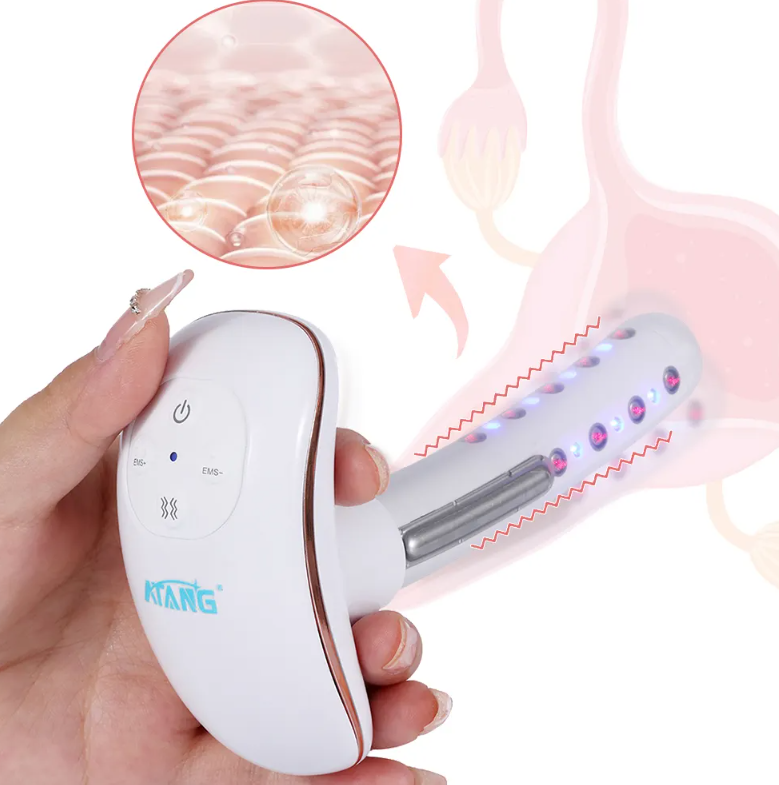
Understanding Vaginal Rejuvenation: Physiology, Goals, and Realistic Expectations
Vaginal rejuvenation addresses physical changes in vaginal and vulvar tissues caused by childbirth, aging, or hormonal shifts like menopause. These physiological changes often manifest as vaginal laxity, dryness, reduced lubrication, or mild urinary incontinence—conditions that can affect sexual comfort, urinary control, and self-confidence.
People often want to restore vaginal tone, build up their pelvic floor muscles, get better sexual satisfaction, and reduce everyday discomfort. But it's important to remember that nothing can completely undo what happens naturally as we age. Back in 2018, the FDA put out some serious warnings about those laser and ultrasound gadgets being sold for so called "vaginal rejuvenation." They pointed out there just wasn't enough proof these worked, plus there were real safety concerns too like burns, scars, and ongoing pain problems. What most people actually see are small but meaningful improvements over time rather than trying to achieve some kind of perfect anatomy. Every body is different after all, and what counts as "normal" covers a huge range when it comes to how things look and work. When considering any treatment, talk to someone who really knows about pelvic health issues first. Stick with options that have been properly tested and avoid chasing after the latest fads that haven't gone through proper scientific review.
Pelvic Floor Strengthening as the Foundation of At-Home Vaginal Rejuvenation
Kegel Exercises: Technique, Consistency, and Clinical Outcomes for Vaginal Tone
Kegel exercises strengthen the pelvic floor muscles that support vaginal integrity and bladder control. Proper technique begins with identifying the correct muscles—imagine stopping urine midstream or preventing gas release—then performing slow, deliberate contractions:
- Hold each contraction for 3–5 seconds
- Relax fully between reps (equal or longer than hold time)
- Aim for 10 repetitions, 3 times daily
Consistent practice over 6–8 weeks yields measurable benefits: a 2023 study in the International Urogynecology Journal found that 54% of participants reported improved vaginal tone and 68% experienced reduced urinary leakage. Adherence is critical—daily practice correlates strongly with clinical improvement, while sporadic efforts show minimal gains.
Kegel Weights and Biofeedback Tools: Enhancing Efficacy and Adherence
A lot of folks have trouble finding those pelvic floor muscles when doing Kegels, which makes the whole exercise less effective. That's where things like weighted vaginal cones come in handy, along with those fancy biofeedback gadgets. When someone uses cones for progressive resistance training, they tend to build muscle strength around 40 percent quicker compared to just doing regular exercises without any assistance. The biofeedback stuff works wonders too because it gives immediate feedback through lights or sounds that tell users if they're engaging the right muscles. This kind of instant confirmation boosts accuracy significantly, maybe even as much as three quarters better than guessing. What really matters though is how these tech solutions help people stick with their routines over time. Instead of relying on vague feelings about whether they did something right, users can actually see measurable improvements. And let's face it, seeing results on paper (or screen) makes all the difference when trying to maintain consistency in pelvic floor rehab programs.
Topical and Device-Based At-Home Vaginal Rejuvenation Options
Nonhormonal Moisturizers and Lubricants for Vaginal Dryness and Comfort
Moisturizers based on water and containing ingredients like hyaluronic acid or polycarbophil can provide real relief for vaginal dryness, particularly helpful for those who have issues with estrogen or cannot take hormone treatments. Research shows that consistent application helps strengthen the lining of tissues and cuts down on pain during sex by about two thirds. These products work differently from pills or injections because they stay where applied without getting absorbed into the bloodstream much. To get the most benefit, try applying them two to three times each week, and don't forget to use extra lubrication when intimacy happens. Watch out for products listing parabens, glycerin, or artificial scents though, since these additives might mess with the natural balance of the vagina or cause unwanted reactions.
Red Light Therapy, Vaginal Dilators, and Emerging Home Devices: Evidence vs. Hype
FDA-cleared red light therapy devices use photobiomodulation to stimulate collagen synthesis; clinical trials report up to 40% improvement in vaginal elasticity after 12 weeks of daily use. Vaginal dilators are well-established for managing introital stenosis when paired with pelvic floor relaxation techniques. However, many consumer-grade "rejuvenation" gadgets lack rigorous validation:
| Device Type | Evidence Status | Key Consideration |
|---|---|---|
| Low-level laser | Moderate for GSM* | Requires consistent long-term use |
| Radiofrequency (RF) | Limited at-home data | Professional treatments show better efficacy |
| Vibration "toners" | Minimal peer-reviewed proof | May provide only transient symptom relief |
*Genitourinary Syndrome of Menopause
While select home devices may support mild tissue resilience, none replicate the precision or depth of in-office therapies. Before investing in devices costing over $200, consult a pelvic health specialist to assess suitability and avoid interventions with unproven benefit-risk profiles.
What Doesn’t Work — And Why: Avoiding Unproven or Risky At-Home 'Vaginal Rejuvenation' Trends
Devices that use energy, including those vaginal lasers and radiofrequency gadgets sold for home use, are constantly promoted with all sorts of promises about making things tighter, increasing sensation, or somehow renewing what's been lost. But there's really no solid proof these actually work safely outside of proper medical settings. The FDA has made it clear these shouldn't be used for treating menopause symptoms, bladder issues, or sexual problems because people have reported serious side effects like vaginal burns, scar tissue formation, and lasting pain. We just don't see quality studies backing up those marketing claims when someone tries them at home. Companies get around regulations by calling their products wellness or beauty items even though they emit similar power levels as real medical gear. And here's another problem worth noting: using heat on tissues that are already thinning from low estrogen can lead to permanent harm. Better options exist that doctors recommend based on actual research. Pelvic floor exercises done properly under guidance or moisturizers without hormones tend to produce better results with far fewer risks involved.
FAQ Section
What is vaginal rejuvenation?
Vaginal rejuvenation refers to a variety of treatments intended to restore or enhance the tone, appearance, and functionality of vaginal and vulvar tissues, often affected by childbirth, aging, or hormonal changes.
Are at-home devices for vaginal rejuvenation safe?
The FDA has issued warnings about some at-home laser and ultrasound devices due to safety concerns like burns and scars, and there's insufficient evidence about their efficacy outside of professional settings.
Can Kegel exercises improve vaginal tone?
Yes, Kegel exercises are a tried and tested method to strengthen pelvic floor muscles, which can improve vaginal tone, aid bladder control, and enhance sexual satisfaction if done regularly and correctly.
How effective are nonhormonal moisturizers for vaginal dryness?
Nonhormonal moisturizers can alleviate vaginal dryness significantly, especially for those unable to use hormonal treatments. Consistent use aids tissue lubrication and comfort.
Table of Contents
- Understanding Vaginal Rejuvenation: Physiology, Goals, and Realistic Expectations
- Pelvic Floor Strengthening as the Foundation of At-Home Vaginal Rejuvenation
- Topical and Device-Based At-Home Vaginal Rejuvenation Options
- What Doesn’t Work — And Why: Avoiding Unproven or Risky At-Home 'Vaginal Rejuvenation' Trends
- FAQ Section