
 EN
EN
Why At-Home Blood Pressure Management Matters
High blood pressure, or hypertension, is a silent yet pervasive health threat that increases the risk of heart disease, stroke, and cardiovascular complications worldwide. For millions of people living with hypertension—whether diagnosed or pre-hypertensive—effective at-home management is a cornerstone of long-term health. Unlike clinical interventions alone, at-home strategies empower individuals to take control of their blood pressure daily, complementing medical treatment and reducing the need for excessive medication in many cases. What makes at-home care even more critical is its accessibility: it requires no specialized clinical setting, just consistent, intentional choices that align with daily life. For those seeking sustainable results, combining evidence-based lifestyle adjustments with innovative home healthcare tools—like those designed by ATANG, a leading manufacturer of FDA and CE-certified home smart health products—creates a holistic approach to lowering and maintaining healthy blood pressure levels from the comfort of your home.
Beyond immediate health benefits, at-home blood pressure management also reduces healthcare costs and improves quality of life. Regular at-home monitoring and intervention help prevent sudden spikes in blood pressure that can lead to emergency medical visits, while consistent habits foster long-term cardiovascular health. Whether you’re newly diagnosed with hypertension, looking to prevent it, or seeking to enhance existing treatment plans, practical at-home tips form the foundation of successful blood pressure control—proving that small, daily actions can yield significant, lasting results for your heart and overall well-being.
Lifestyle Adjustments: The Foundation of At-Home Blood Pressure Control
Prioritize a Heart-Healthy Diet
Nutrition is one of the most impactful tools for lowering blood pressure at home, and the DASH (Dietary Approaches to Stop Hypertension) diet stands as the gold standard for evidence-based eating. Focused on reducing sodium intake—one of the primary drivers of high blood pressure—the DASH diet emphasizes fresh fruits and vegetables, whole grains, lean proteins (such as fish and poultry), and low-fat dairy products, while limiting processed foods, fried foods, and added sugars. Aim to keep daily sodium intake below 2,300 milligrams (1,500 mg for optimal results), and avoid hidden sodium in condiments, canned goods, and frozen meals. Adding potassium-rich foods (bananas, spinach, avocados, and sweet potatoes) to your diet is equally important, as potassium counteracts sodium’s effects on blood pressure by flushing excess salt from the body.
At-home meal prep is key to sticking to a heart-healthy diet: plan weekly meals, cook with fresh ingredients, and avoid pre-packaged options. Even small swaps—like using herbs and spices instead of salt for flavor, or choosing unsweetened beverages over sugary sodas—can make a measurable difference in blood pressure levels over time. The best part of dietary adjustments is that they require no fancy equipment, just mindful choices at the grocery store and in the kitchen.
Incorporate Regular, Low-Impact Physical Activity
Exercise is a powerful natural blood pressure reducer, and the good news is that effective activity doesn’t require intense gym workouts—low-impact movement done consistently at home or outdoors is more than enough. Aim for at least 30 minutes of moderate physical activity most days of the week, such as brisk walking, cycling, swimming, yoga, or tai chi. These activities strengthen the heart, improve blood circulation, and reduce stress—all of which lower blood pressure and support cardiovascular health. For those with limited mobility or busy schedules, even 10-minute bursts of activity throughout the day (e.g., walking around the house, stretching, or climbing stairs) add up to meaningful results.
What makes at-home exercise sustainable is choosing activities you enjoy: if you hate running, try a gentle yoga flow or dance to your favorite music. The goal is to move your body regularly, not to push yourself to the point of exhaustion. For an extra boost, pair your at-home exercise routine with tools that support circulation—like ATANG’s red light physical therapy pads, which accelerate blood microcirculation and complement physical activity by enhancing oxygen flow to the heart and muscles.
Master Stress Management Techniques
Chronic stress is a major contributor to high blood pressure, as stress triggers the body’s “fight or flight” response, raising heart rate and constricting blood vessels. Fortunately, there are countless practical, at-home stress management techniques that lower blood pressure by calming the nervous system and promoting relaxation. Deep breathing exercises—such as 4-7-8 breathing (inhale for 4 seconds, hold for 7, exhale for 8)—are incredibly effective and can be done anywhere, anytime, in just a few minutes. Meditation, whether guided (via apps) or silent, also reduces stress hormones like cortisol, leading to lower resting blood pressure. Other calming practices include journaling, reading, spending time in nature (even a backyard or windowsill garden), and limiting screen time—especially before bed, as blue light can disrupt sleep and increase stress.
For those who struggle with persistent stress or anxiety that impacts blood pressure, innovative home tools like ATANG’s CES (Cranial Electrotherapy Stimulation) sleep aid machines offer drug-free support. FDA-approved for sleep and anxiety relief, these microcurrent therapy devices ease tension and promote relaxation, making it easier to manage stress and maintain healthy blood pressure levels at home.
Prioritize Quality Sleep
Poor sleep—whether from insomnia, sleep apnea, or inconsistent sleep schedules—directly raises blood pressure by disrupting the body’s natural circadian rhythm and increasing stress hormones. Adults need 7-9 hours of quality sleep each night to keep blood pressure in check, and creating a consistent, calming bedtime routine at home is key to achieving this. Start by setting a fixed sleep and wake time (even on weekends), and design a pre-sleep ritual that avoids screens, caffeine, and heavy meals. Create a sleep-friendly environment: keep your bedroom cool, dark, and quiet, and invest in a comfortable mattress and pillows. If you struggle with insomnia, ATANG’s anti-insomnia shockwave therapy and auricular neurostimulation devices offer non-invasive, at-home solutions to improve sleep quality—supporting both better rest and lower blood pressure.
For those with sleep apnea (a common condition linked to hypertension), simple at-home adjustments like sleeping on your side (instead of your back) and maintaining a healthy weight can reduce symptoms. If sleep apnea is severe, consult a healthcare provider, but even small sleep improvements can have a big impact on blood pressure management at home.
Leveraging Home Healthcare Technology for Blood Pressure Control
Red Light and Laser Therapy: Boosting Circulation at Home
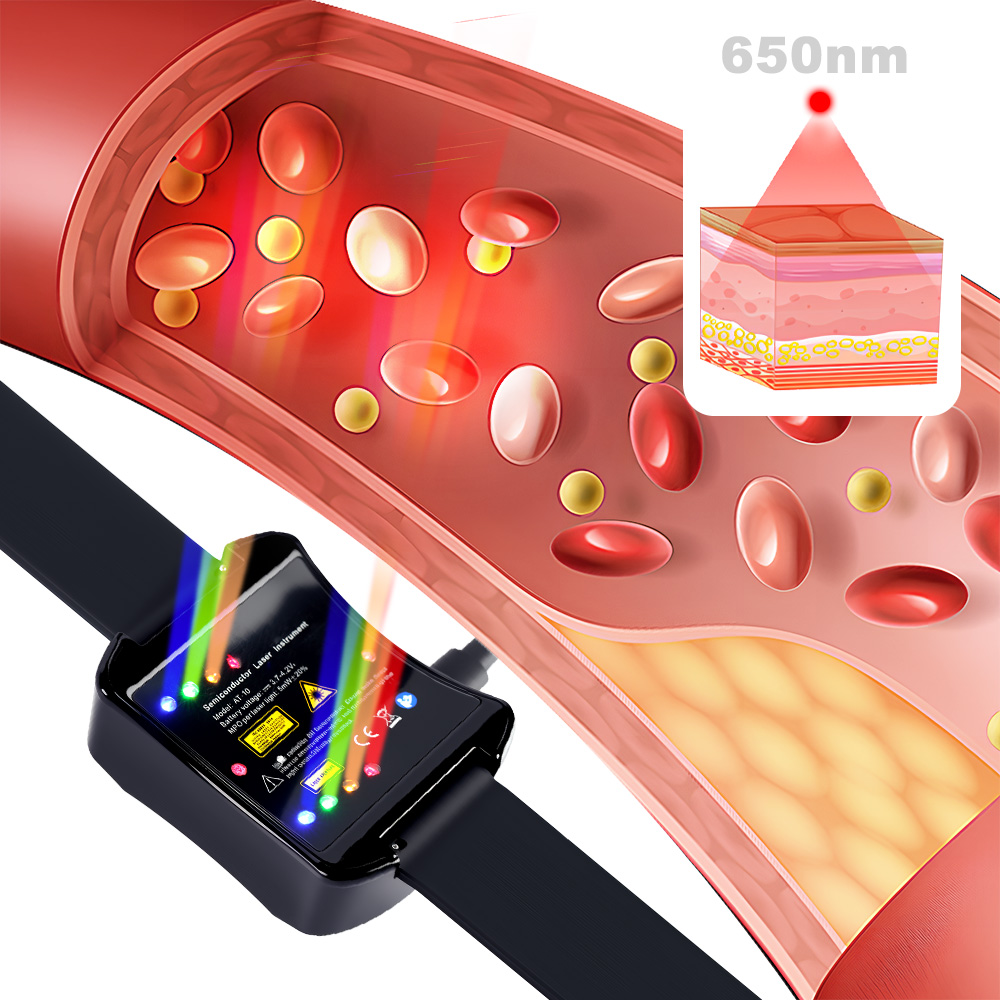
One of the most innovative at-home solutions for lowering blood pressure is light and laser therapy, which targets poor circulation—a key factor in hypertension—by stimulating blood flow and improving vascular health. ATANG’s laser watch therapy device series, designed for arterial health and blood pressure support, uses low-level laser therapy (LLLT) with 650nm semiconductor laser technology to enhance blood microcirculation, reduce arterial stiffness, and support healthy blood pressure levels. Clinically tested and backed by SGS laser safety reports, these FDA-registered watches are wearable and easy to use at home, at work, or on the go—making them a convenient addition to any blood pressure management routine.
ATANG’s red light physical therapy pads are another game-changing tool for at-home circulation support. These large, flexible pads deliver red light therapy to the entire body (whether you’re sleeping, doing yoga, or resting) and accelerate blood microcirculation, reduce inflammation, and improve overall cardiovascular function. By boosting blood flow, these devices complement lifestyle adjustments and help lower blood pressure by easing the heart’s workload—all from the comfort of your home.
Blood Pressure Monitoring: Track Progress for Targeted Care
You can’t manage what you don’t measure, and regular at-home blood pressure monitoring is essential for lowering and maintaining healthy levels. Invest in a high-quality, FDA-approved digital blood pressure monitor (upper arm models are the most accurate) and take readings at the same time each day (e.g., morning and evening), before eating or taking medication. Keep a log of your readings to track trends, and share the data with your healthcare provider to adjust treatment plans as needed. Monitoring at home also helps you identify triggers for high blood pressure (e.g., stress, certain foods, or lack of sleep) so you can make targeted adjustments to your routine.
For those with hypertension-related complications like atherosclerosis or a history of mini-strokes, ATANG’s diabetes and blood pressure support light therapy devices offer specialized at-home care. These devices use laser therapy to support arterial health, aid in stroke recovery, and complement blood pressure management—providing targeted support for those with complex cardiovascular needs.
Complementary Tools for Overall Cardiovascular Health
Lowering blood pressure at home isn’t just about targeting the heart directly—it’s about supporting overall cardiovascular health, and ATANG’s home healthcare products offer a range of complementary tools to do just that. The 810nm infrared + 650nm cold laser with TENS device, for example, eases joint and muscle tension that can contribute to stress and inactivity—two factors that raise blood pressure. By reducing bodily discomfort, this device makes it easier to stay active and maintain healthy habits at home.
ATANG’s laser therapy devices are all designed with clinical efficacy in mind: they hold CE and FDA certifications, have design patents, and are backed by clinical reports that validate their ability to support cardiovascular health. As a manufacturer of home smart health products since 2016, ATANG’s focus on safety, innovation, and accessibility makes their tools the perfect partner for anyone looking to lower blood pressure at home with evidence-based technology.
Habit Building: Making At-Home Blood Pressure Control Sustainable
Start Small and Build Consistency
The biggest mistake people make when trying to lower blood pressure at home is attempting to change everything at once—which leads to burnout and failure. Instead, start with one or two small, manageable changes (e.g., cutting back on sodium, adding 10 minutes of walking daily, or practicing deep breathing each morning) and build consistency over time. Once these habits feel natural, add another adjustment (e.g., starting a meditation routine, investing in a blood pressure monitor). Consistency is far more important than perfection: even 90% adherence to a few key habits will yield significant blood pressure improvements over months and years.
Create a Supportive Home Environment
Your home environment plays a huge role in your ability to stick to blood pressure-lowering habits, so design it to set you up for success. Stock your kitchen with heart-healthy foods and remove processed, high-sodium snacks; create a dedicated space for exercise or relaxation (a corner of the living room for yoga, a quiet nook for meditation); and keep your blood pressure monitor and healthcare tools in a visible, easy-to-reach place to remind you to track your readings daily. If you live with family or roommates, enlist their support: ask them to join you in healthy meals or daily walks, and avoid bringing high-sodium or sugary foods into the home. A supportive environment turns healthy choices into easy choices.
Set Realistic Goals and Celebrate Progress
Lowering blood pressure at home is a journey, not a sprint, so set realistic, measurable goals and celebrate every win—no matter how small. For example, your first goal might be to reduce sodium intake to 2,000 mg per day, or to walk 20 minutes daily for a week. When you hit that goal, reward yourself with something non-food-related (e.g., a new book, a massage, or a walk in a park). Tracking your progress with a journal or app also helps you see how far you’ve come: a 5-10 mm Hg drop in blood pressure may seem small, but it significantly reduces your risk of cardiovascular disease. Remember: even small, steady progress leads to long-term success in at-home blood pressure management.
Conclusion
Lowering blood pressure at home is entirely achievable with practical, evidence-based tips that combine lifestyle adjustments, stress management, quality sleep, and innovative home healthcare technology. From heart-healthy eating and low-impact exercise to stress reduction and regular monitoring, these strategies empower you to take control of your cardiovascular health daily—no clinical setting required. What elevates at-home care even further is integrating tools like ATANG’s FDA and CE-certified laser therapy devices, CES sleep aids, and red light physical therapy pads: these innovative products complement lifestyle habits by boosting circulation, reducing stress, improving sleep, and supporting arterial health—all from the comfort of your home.
ATANG’s mission to bring healthy products to every family aligns perfectly with the goal of at-home blood pressure management: making high-quality, clinical-grade healthcare accessible to everyone, everywhere. With their design patents, clinical reports, and strict safety certifications (including SGS laser safety reports), ATANG’s home smart health products are a reliable, effective addition to any at-home blood pressure control plan.
The key to successful at-home blood pressure management is consistency and intentionality: small, daily choices add up to significant, lasting results for your heart and overall well-being. Whether you’re just starting your journey or looking to enhance your existing routine, these practical tips prove that you don’t need to rely solely on medication to lower blood pressure—you have the power to improve your cardiovascular health from the comfort of your own home, one healthy habit at a time.