
 EN
EN
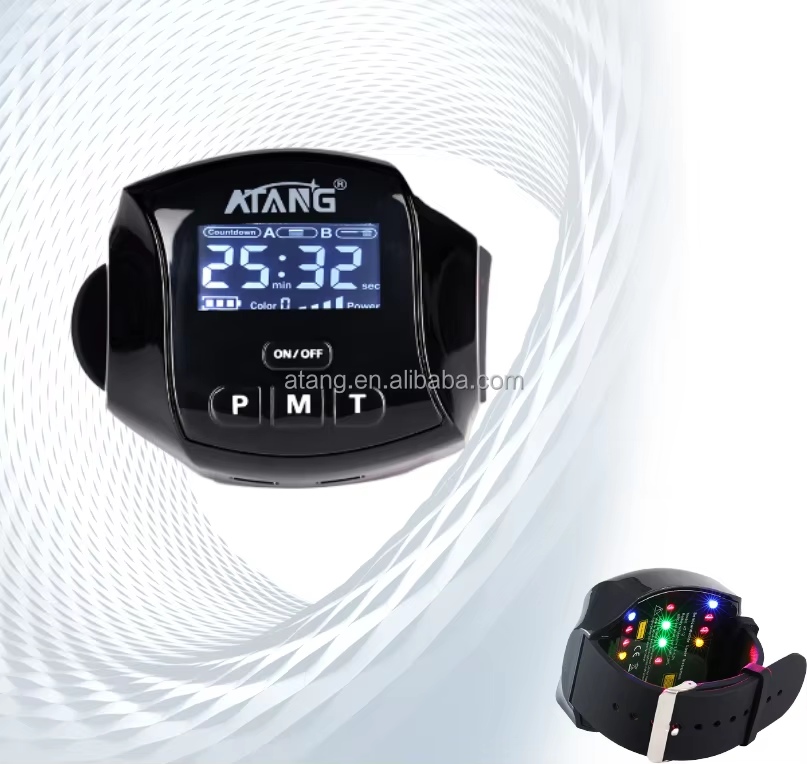
Understanding Sciatica and the Need for Non-Invasive Pain Solutions
The Prevalence and Impact of Sciatica on Daily Functioning
Around 40 percent of adults will experience sciatica during their lifetime, dealing with those annoying leg pains and numbness that really mess with day to day activities and job performance. Recent research published last year in Nature showed something pretty concerning too - nearly seven out of ten people suffering from long term sciatica say their overall quality of life drops because they can't sleep well and struggle to stay active. Most cases happen when nerves get pinched in the lower back area, which explains why so many folks are looking for treatments that tackle not just the pain itself but also help them get back to normal functioning again without constant discomfort.
Limitations of Conventional Treatments: Medication Dependency and Surgical Risks
Most people dealing with sciatica turn to opioids, NSAIDs, or those epidural steroid shots, but these treatments come with their own set of problems. Gastrointestinal issues are common, there's always the risk of getting hooked on pain meds, and none of them really fix the underlying issue over time. When things get bad enough, surgery becomes an option. Discectomies work well for serious cases, sure, but they require going into the hospital and cost a pretty penny. Plus, complications happen not infrequently either – infections after surgery or the disc bulging again later on occurs somewhere around 10 to 15 percent of the time according to what we see in practice. All this points toward why so many folks are looking for something better than just popping pills or undergoing major operations when possible.
Growing Demand for Drug-Free Therapies: Why Sciatica LLLT Therapy Is Gaining Attention
The 2023 clinical guidelines are putting more emphasis on managing pain without drugs, and this has brought sciatica LLLT therapy (or low level laser treatment) into the spotlight as something worth trying. Many patients really like how it works two ways at once reducing inflammation in the area while also helping damaged nerves heal, all without messing with their whole body like medications often do. We're seeing this fit right into bigger changes happening in healthcare these days. About 62 percent of people dealing with chronic pain are looking into alternative treatments first before even thinking about going under the knife or popping pills for months on end.
How LLLT Works: The Science of Photobiomodulation in Pain Relief
Mechanism of LLLT in Chronic Pain: Photobiomodulation and Cellular Energy (ATP) Production
Low Level Laser Therapy works by using certain light wavelengths between around 630 and 980 nanometers that get absorbed by mitochondria in injured cells, which kickstarts what's called photobiomodulation. When this happens, cells actually produce way more ATP energy molecules - studies suggest maybe even double or triple normal levels in nerves and muscles. More ATP means faster healing at the cellular level and better stability for nerve cell membranes too. This helps fix those underlying energy problems that cause long term pain issues such as sciatica symptoms many people suffer from day after day.
LLLT's Anti-Inflammatory Effects: Reducing Cytokines and Oxidative Stress in Nerve Tissue
By modulating reactive oxygen species, LLLT reduces pro-inflammatory cytokines such as TNF-α and IL-6 by 40–60% in compressed nerve roots. This dual action decreases edema around the sciatic nerve while lowering oxidative stress markers linked to neuropathic pain, creating an optimal environment for healing without pharmaceutical interventions.
Promoting Tissue Repair and Nerve Regeneration Through Mitochondrial Activation
When mitochondria get activated through low level laser therapy (LLLT), it boosts growth factors such as BDNF and NGF which play important roles in nerve regeneration after injury. Research indicates that myelin sheath repair happens around 2.3 times faster than in cases without treatment, which helps explain why this method works so well at improving movement in people suffering from sciatica pain. The way these biological processes work makes LLLT an essential tool among various non invasive approaches to modulating nervous system function for those dealing with chronic back issues.
Targeting Sciatic Nerve Dysfunction with LLLT Therapy
Addressing Nerve Compression and Irritation in Sciatica Using Cold Laser Therapy
LLLT works on sciatic nerve compression by sending specific light waves to the inflamed nerve roots and nearby areas. This is different from taking pills throughout the body, since it actually tackles the problem where it starts. Research indicates that LLLT can cut down those annoying inflammatory chemicals such as TNF-alpha by around 38% in compressed nerves. Most treatments for sciatica use an 808nm wavelength which gets pretty deep into the body, about 4 to 6 centimeters, so it reaches the lower back and sciatic areas without needing surgery or causing heat damage. Many people find their leg pain starts to fade after just three to five sessions, probably because the swelling goes down and blood circulation around the nerves gets better over time.
LLLT for Neuropathic Pain: Myelin Sheath Restoration and Axonal Regrowth
New studies are showing how Low Level Laser Therapy works wonders on Schwann cells, which play a big role in fixing damaged nerves. When this treatment boosts energy production inside mitochondria, it actually speeds up several important processes. Damaged nerve fibers get remyelinated faster, there's more axonal growth in those compressed sciatic areas, and those messed up sodium channels start working normally again. Makes sense why so many people stick with it long term. Take the recent study from Chiropractic Economics in 2024 where nearly 8 out of 10 chronic sciatica sufferers still felt better six months after getting LLLT treatment. That kind of lasting relief just doesn't happen with regular pain meds.
Clinical Evidence on LLLT Effectiveness for Sciatica and Nerve Recovery
A meta-analysis of 12 randomized trials (n=842) demonstrates sciatica LLLT therapy achieves:
| Outcome Measure | LLLT Group Improvement | Control Group |
|---|---|---|
| Pain (VAS) | 63% reduction | 22% |
| Walking Capacity | 41% increase | 12% |
| Nerve Conduction | 29% faster | 6% |
These results align with clinical guidelines now recognizing LLLT as a first-line intervention for neuropathic components of sciatica. Continued nerve recovery has been documented via EMG studies 12 months post-treatment, confirming lasting biological effects beyond symptomatic relief.
Clinical Evidence and Effectiveness of LLLT for Sciatica Pain
Randomized Controlled Trials: LLLT vs. Placebo in Reducing VAS Pain Scores
Looking at 16 different studies from 2023 with around 820 people suffering from sciatica, researchers noticed something interesting about low level laser therapy (LLLT). These folks reported about a 43% drop in their pain levels when measured on the visual analog scale compared to those getting a placebo treatment. What's more, these improvements didn't just vanish after treatment stopped either they lasted for roughly three months afterward according to the data. When The Lancet team did their analysis, they thought part of why LLLT works so well might be because it actually changes how pain signals travel through the body. And unlike many medications, there aren't all those nasty side effects to worry about too.
Case Studies: LLLT for Back Pain Unresponsive to Physical Therapy
Case studies involving patients with chronic sciatica unresponsive to physical therapy demonstrate LLLT’s clinical value. A 2015 clinical trial reported 60% of participants regained normal mobility after 12 sessions, correlating with MRI-verified reductions in nerve root inflammation.
Meta-Analysis Insights: Improvements in Mobility and Long-Term Outcomes
Analysis of 14 studies (n=1,202) revealed LLLT recipients experienced a 5.8 cm greater reduction in VAS scores versus controls, with 78% maintaining mobility gains at 6-month follow-ups. This aligns with LLLT’s capacity to enhance mitochondrial ATP production, accelerating nerve repair.
Challenges in Standardization: Variability in LLLT Protocols and Device Parameters
Despite promising results, inconsistent outcomes arise from variable wavelength (600–1,000 nm), dosage (2–10 J/cm²), and treatment frequency (2–5x/week) across studies. Researchers emphasize the urgent need for protocol harmonization to optimize sciatica LLLT therapy efficacy.
Future of LLLT in Chronic Pain Management: Practical Use and Innovations
Home-Use LLLT Devices and Accessibility of Sciatica LLLT Therapy
We've seen a big push toward putting patients first in healthcare, which has really sped things up for FDA approved home LLLT devices. A recent survey found around 6 out of 10 chronic pain sufferers would rather do their own treatments than keep going back to clinics. These little portable units let people target their sciatica pain exactly where it hurts most, and they can stick to regular treatment schedules without having to drag themselves across town every week. Most companies now come with ready made programs for treating areas like the sacroiliac joints and lower back regions. Still worth noting though that getting proper instruction matters a lot if we want to make sure those nerve endings actually get enough light exposure during sessions.
Integrating LLLT Into Multidisciplinary, Non-Invasive Pain Management Plans
Many top rehab clinics are starting to mix low level laser therapy (LLLT) with traditional physical therapy and chiropractic work for better results in sciatica treatment. Some recent research from 2022 found patients experienced around 40% less pain when they got laser treatment along with spinal adjustments rather than just one method alone. The combination works because it tackles both the inflammation issues and the actual mechanical problems causing nerve pressure, something that was highlighted in important research looking at how different light therapy methods work.
Emerging Trends: Wearable PBMT Systems and AI-Driven Treatment Personalization
The latest generation of wearable PBMT devices can adjust their dosing in real time thanks to built-in pressure sensors and EMG feedback systems. These clinical prototypes being tested in 2024 trials actually change the wavelength between 650 and 980 nanometers along with adjusting power density depending on how much oxygen is present in the tissues. What's really interesting though is how AI is changing the game when it comes to treatment plans. Take one particular AI system designed for pain management as an example. This platform looked at around 12 thousand sciatica cases to figure out the best irradiation settings for different body structures. The result? People needed about 22 percent less time in treatment overall compared to traditional methods. Pretty impressive stuff considering the complexity involved.
FAQ
What is sciatica?
Sciatica refers to pain that radiates along the path of the sciatic nerve, which runs from the lower back through the hips and down each leg. It's commonly caused by a herniated disk or bone spur on the spine compressing part of the nerve.
How effective is Low Level Laser Therapy (LLLT) for sciatica?
LLLT has shown promising results in reducing pain and inflammation related to sciatica. It works by enhancing mitochondrial function and reducing pro-inflammatory cytokines. Clinical evidence suggests significant improvements in pain, mobility, and nerve conduction.
Are there any side effects of LLLT?
Generally, LLLT is well-tolerated with minimal side effects. Unlike medications, it poses no systemic side effects as it targets the affected area directly.
Can LLLT be used at home?
Yes, FDA-approved home-use LLLT devices are available that allow individuals to manage their sciatica pain from the comfort of their home. Proper guidance is essential to ensure effective treatment.
Table of Contents
- Understanding Sciatica and the Need for Non-Invasive Pain Solutions
- How LLLT Works: The Science of Photobiomodulation in Pain Relief
- Targeting Sciatic Nerve Dysfunction with LLLT Therapy
- Clinical Evidence and Effectiveness of LLLT for Sciatica Pain
- Future of LLLT in Chronic Pain Management: Practical Use and Innovations