
 EN
EN
The Importance of Pelvic Floor Care in Postpartum Rehabilitation
Postpartum pelvic floor dysfunction is one of the most common issues new mothers face, caused by the stretching and weakening of pelvic floor muscles during childbirth. For postpartum rehabilitation centers, prioritizing targeted pelvic floor exercises is non-negotiable, as these exercises form the foundation of restoring muscle strength, elasticity, and function. Left unaddressed, weak pelvic floor muscles can lead to long-term complications such as urinary incontinence, pelvic organ prolapse, and reduced sexual function—impacting a new mother’s physical health and emotional well-being. Rehabilitation centers play a critical role in guiding new mothers through safe, effective pelvic floor care, and selecting the right exercises is key to delivering successful rehabilitation outcomes that align with clinical standards and individual maternal needs.
Beyond addressing immediate physical concerns, pelvic floor exercises in rehabilitation centers also support holistic postpartum recovery. They complement other forms of care by improving core stability, enhancing blood circulation in the pelvic region, and reducing discomfort related to childbirth trauma. For rehabilitation centers, curating a tailored pelvic floor exercise program is not just about physical recovery; it is about empowering new mothers with the knowledge and tools to maintain pelvic floor health long after they leave the center, fostering long-term wellness for women in the postpartum period.
Key Considerations for Selecting Pelvic Floor Exercises in Rehabilitation Centers
Safety and Accessibility for Postpartum Bodies
The first and foremost consideration for postpartum rehabilitation centers when choosing pelvic floor exercises is safety, as new mothers’ bodies are in a delicate state of recovery—especially in the early postpartum weeks, whether for vaginal or cesarean births. Exercises must be low-impact, avoid straining the abdominal or pelvic area, and be adaptable for mothers with varying recovery speeds, including those who experienced perineal tears, episiotomies, or other birth-related injuries. Accessibility is equally important: exercises should require minimal equipment, be easy to demonstrate and perform, and allow for modifications to suit different fitness levels and physical limitations. This ensures that every new mother, regardless of her birth experience or physical condition, can participate comfortably and confidently in the rehabilitation program.
Clinical Efficacy and Evidence-Based Practice
Postpartum rehabilitation centers are clinical-focused spaces, so all selected pelvic floor exercises must be evidence-based and backed by clinical research demonstrating their efficacy in restoring pelvic floor muscle function. Exercises should target the deep pelvic floor muscles specifically, as these are the muscles most affected by childbirth and are responsible for bladder, bowel, and pelvic organ support. Rehabilitation centers must avoid generic or unproven exercises, instead opting for those that have been validated by gynecological and physical therapy professionals. Integrating clinical efficacy into exercise selection also ensures that the center’s programs meet industry standards, building trust with new mothers and healthcare providers who refer patients for postpartum care.
Synergy with Technological Rehabilitation Aids
Modern postpartum rehabilitation centers do not rely on exercise alone—they integrate cutting-edge technological aids to enhance the effectiveness of pelvic floor exercises. When selecting exercises, centers must consider how they pair with devices such as EMS (Electrical Muscle Stimulation) tools, laser therapy devices, and biofeedback machines. The right exercises should complement these technologies, creating a synergistic rehabilitation approach that accelerates muscle recovery and improves exercise form. For example, exercises that focus on voluntary muscle contraction can be enhanced by EMS technology that stimulates the pelvic floor muscles, helping new mothers learn to engage the correct muscles more effectively. This integration of exercise and technology is a hallmark of modern, high-quality postpartum rehabilitation centers, setting them apart in delivering comprehensive care.
Top Pelvic Floor Exercises for Postpartum Rehabilitation Centers
Kegel Exercises: The Foundation of Pelvic Floor Training
Kegel exercises are the gold standard for pelvic floor rehabilitation and a staple in every postpartum rehabilitation center’s program. These exercises involve the voluntary contraction and relaxation of the pelvic floor muscles—the same muscles used to stop the flow of urine—and are highly effective for building muscle strength and control. For rehabilitation centers, Kegels are ideal because they are non-weight bearing, can be performed in any position (sitting, lying down, standing), and require no equipment, making them perfect for early postpartum recovery. Centers should teach new mothers the correct form of Kegels, as improper performance (e.g., engaging the abdominal or thigh muscles instead of the pelvic floor) can reduce efficacy and even cause discomfort. Clinical guidance from rehabilitation specialists is critical here, as it ensures mothers target the right muscles and progress at a safe pace—starting with short, frequent contractions and gradually increasing duration and intensity.
Kegel variations are also valuable for rehabilitation centers to incorporate, such as quick Kegels (short, rapid contractions) for muscle endurance and slow Kegels (prolonged contraction followed by slow relaxation) for muscle strength. These variations keep the program engaging and target different aspects of pelvic floor function, supporting comprehensive recovery for new mothers.
Pelvic Floor Bridges: Integrating Core and Pelvic Strength
Pelvic floor bridges are a low-impact, compound exercise that combines pelvic floor engagement with gluteal and core activation—making them an excellent addition to postpartum rehabilitation center programs. This exercise involves lying on the back with knees bent and feet flat on the floor, lifting the hips to form a straight line from shoulders to knees while contracting the pelvic floor muscles. For new mothers, pelvic floor bridges are beneficial because they strengthen the muscles that support the pelvis and lower back, addressing two common postpartum concerns: weak pelvic floors and lower back pain. Rehabilitation centers can modify this exercise for different recovery stages—for example, starting with small hip lifts for early postpartum mothers and progressing to higher lifts or single-leg bridges for those further in their recovery.
What makes pelvic floor bridges ideal for rehabilitation centers is their ability to teach new mothers to coordinate pelvic floor contraction with other core muscles, a key skill for restoring overall bodily function post-birth. When paired with EMS technology, this exercise becomes even more effective: EMS stimulation of the pelvic floor and gluteal muscles during the bridge helps new mothers feel the muscle engagement more clearly, improving their ability to perform the exercise correctly on their own.
Side-Lying Leg Lifts: Gentle Activation for Pelvic Floor Stability
Side-lying leg lifts are a gentle, low-strain exercise that targets the obliques, gluteus medius, and pelvic floor muscles, making them perfect for new mothers in the early stages of postpartum recovery—including those who have had a cesarean birth. This exercise involves lying on one side with the bottom leg bent and the top leg straight, lifting the top leg a few inches off the ground while contracting the pelvic floor muscles, then lowering it slowly. For rehabilitation centers, side-lying leg lifts are a great choice because they avoid putting pressure on the abdominal wall, making them safe for mothers healing from abdominal incisions, and they improve pelvic floor stability by engaging the lateral pelvic muscles that are often neglected in basic Kegel exercises.
Rehabilitation centers can use this exercise to introduce light resistance training as new mothers progress, adding ankle weights for a gentle challenge once the body is ready. Like all exercises in a rehabilitation program, side-lying leg lifts should be performed under the guidance of a specialist to ensure proper form and avoid overexertion.
Pelvic Floor Breathing (Diaphragmatic Breathing with Pelvic Engagement)
Pelvic floor breathing, or diaphragmatic breathing paired with pelvic floor contraction and relaxation, is a foundational exercise for postpartum rehabilitation centers that focuses on mind-muscle connection—a critical component of successful pelvic floor recovery. This exercise involves slow, deep diaphragmatic breathing (breathing into the belly instead of the chest) while contracting the pelvic floor muscles on the exhale and relaxing them on the inhale. For new mothers, many of whom struggle to connect with their pelvic floor muscles after childbirth, this exercise is invaluable: it teaches them to become aware of the muscles and how to control them, a skill that translates to better performance of other pelvic floor exercises and improved daily function (e.g., coughing, lifting, and walking without urinary leakage).
Pelvic floor breathing is also a calming exercise, making it a great addition to rehabilitation programs that prioritize holistic mental and physical health. Rehabilitation centers can incorporate this exercise into guided relaxation sessions, helping new mothers reduce stress and anxiety while working on their pelvic floor recovery—addressing the emotional toll of postpartum physical changes alongside the physical symptoms.
Enhancing Pelvic Floor Exercises with ATANG’s Gynecological Rehabilitation Technology
EMS and Laser Therapy Devices for Synergistic Recovery
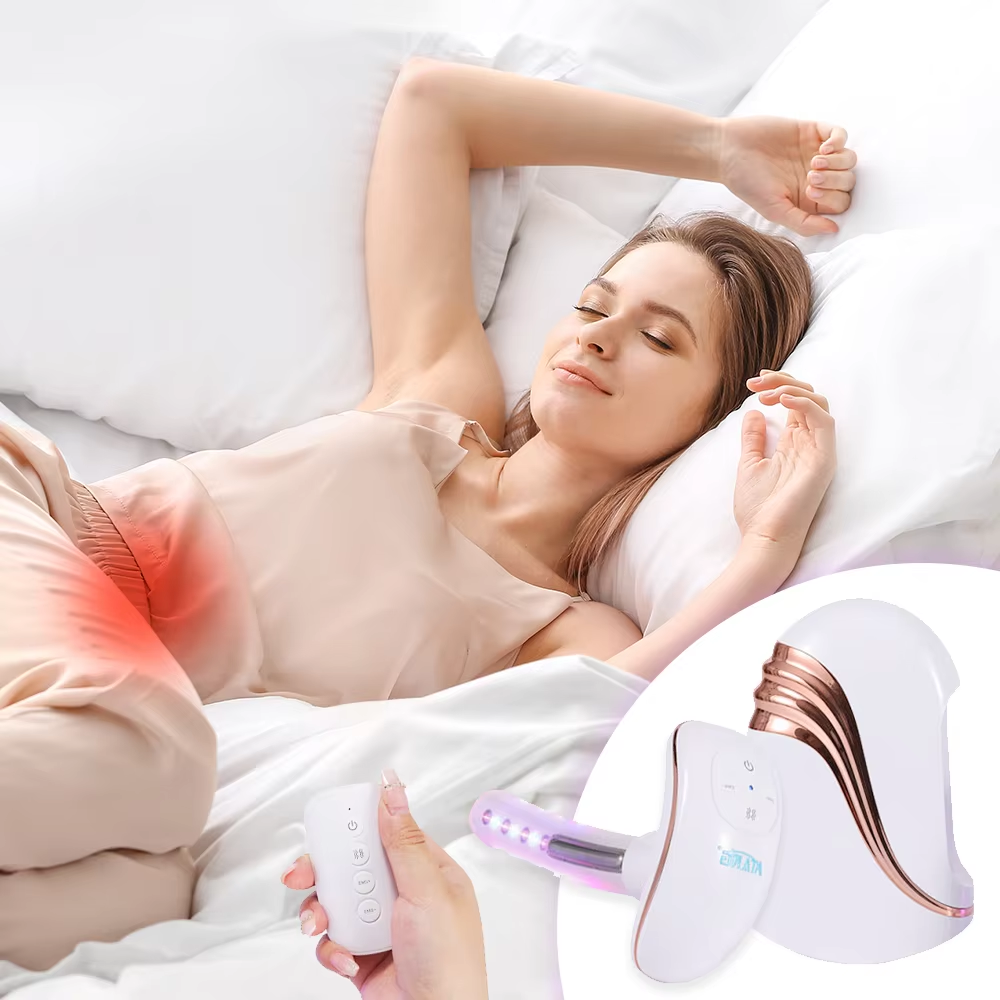
Postpartum rehabilitation centers can elevate their pelvic floor exercise programs by integrating ATANG’s FDA and CE-certified gynecological rehabilitation devices, which combine EMS, cold laser therapy, blue light therapy, and vibration massage—all designed to support pelvic floor and vaginal health for new mothers. ATANG’s Vaginal Tightening Laser Gynaecology Instruments (Model AT-10) use 650nm semiconductor cold laser and EMS technology to stimulate pelvic floor muscle contraction, complementing the voluntary exercises taught in rehabilitation centers. The EMS technology targets the deep pelvic floor muscles, providing passive stimulation that enhances muscle strength and recovery, while the cold laser therapy reduces inflammation in the pelvic region, alleviating discomfort and accelerating healing from birth-related trauma. These devices are clinically tested, with SGS laser safety reports and clinical studies validating their efficacy, making them a safe, reliable addition to any rehabilitation center’s toolkit.
For rehabilitation centers, these devices offer a personalized approach to care: they come with adjustable EMS settings (EM3 to EM9) and remote control functionality, allowing specialists to tailor the stimulation to each new mother’s recovery stage and muscle strength. The devices are also designed for ease of use, making them simple to integrate into group or one-on-one rehabilitation sessions.
Post-Pregnancy Recovery Devices for Holistic Vaginal and Pelvic Health
ATANG’s Post-Pregnancy Recovery Devices are specifically engineered for new mothers, combining laser, EMS, blue light, and vibration massage to support not just pelvic floor recovery but also overall vaginal health—an essential part of postpartum rehabilitation that many centers prioritize. Blue light therapy in these devices reduces harmful bacteria and yeast in the vaginal area, preventing infections that can hinder recovery, while vibration massage improves blood circulation in the pelvic region, enhancing the benefits of pelvic floor exercises by delivering more oxygen and nutrients to the muscles. These devices also support vaginal tightening, addressing a common concern for new mothers and improving their physical comfort and confidence.
As a leading manufacturer of home smart healthcare products with design patents and clinical reports, ATANG’s devices align with the clinical and evidence-based focus of postpartum rehabilitation centers. The devices are also suitable for at-home use, allowing rehabilitation centers to extend care beyond the center: new mothers can continue their pelvic floor recovery at home with the same high-quality technology they use in their sessions, ensuring consistent progress and long-term results.
Best Practices for Implementing Pelvic Floor Exercises in Rehabilitation Centers
Personalized Exercise Plans for Individual Recovery Journeys
No two new mothers have the same postpartum recovery journey, so postpartum rehabilitation centers must create personalized pelvic floor exercise plans for each patient. This involves conducting a comprehensive initial assessment of the mother’s pelvic floor function, birth experience, physical limitations, and recovery goals. For example, a mother who experienced a severe perineal tear may start with only gentle Kegels and pelvic floor breathing, while a mother with an uncomplicated vaginal birth may progress to pelvic floor bridges and side-lying leg lifts more quickly. Personalization also means adjusting the program as the mother recovers, increasing exercise intensity and adding new exercises as her muscle strength and endurance improve. This patient-centered approach is key to delivering successful rehabilitation outcomes and ensuring new mothers feel seen and supported throughout their recovery.
Group and One-on-One Sessions for Optimal Learning
Postpartum rehabilitation centers should offer a mix of group exercise sessions and one-on-one specialist guidance to maximize the effectiveness of pelvic floor exercises. Group sessions create a supportive community for new mothers, allowing them to connect with others going through the same experience and stay motivated in their recovery. These sessions are ideal for teaching basic exercises like Kegels and pelvic floor breathing, with specialists leading the group and correcting form for all participants. One-on-one sessions, on the other hand, are critical for addressing individual concerns and challenges—such as difficulty engaging the pelvic floor muscles, persistent pain, or severe pelvic floor dysfunction. In these sessions, specialists can provide personalized feedback, modify exercises to suit the mother’s needs, and integrate technological aids like ATANG’s EMS devices for targeted stimulation. The combination of group and one-on-one care ensures that new mothers receive both community support and individualized clinical guidance, a winning formula for successful pelvic floor rehabilitation.
Education and At-Home Follow-Up for Long-Term Success
The work of postpartum rehabilitation centers does not end when a mother completes her in-center sessions—patient education and at-home follow-up are essential for long-term pelvic floor health. Centers should teach new mothers how to continue their pelvic floor exercises at home, providing clear instructions and demonstration videos for reference. They should also educate mothers on lifestyle factors that support pelvic floor health, such as maintaining a healthy weight, avoiding heavy lifting, and practicing proper posture. Integrating at-home use of ATANG’s post-pregnancy recovery devices further supports long-term success, as these devices allow mothers to continue the synergistic combination of exercise and technology in the comfort of their own homes.
Regular follow-up check-ins (in-person or virtual) are also important: they allow rehabilitation specialists to monitor progress, address any new concerns, and adjust the at-home exercise plan as needed. This ongoing support ensures that new mothers maintain their pelvic floor health long after the postpartum period, reducing the risk of long-term pelvic floor dysfunction and promoting lifelong women’s wellness.
Conclusion
Selecting the right pelvic floor exercises for postpartum rehabilitation centers is a multifaceted process that balances safety, clinical efficacy, accessibility, and synergy with modern rehabilitation technology. Kegels, pelvic floor bridges, side-lying leg lifts, and pelvic floor breathing form the core of a strong exercise program, as they target the pelvic floor muscles in a safe, evidence-based way and can be adapted for new mothers at all stages of postpartum recovery. When these exercises are paired with cutting-edge technology like ATANG’s FDA and CE-certified gynecological rehabilitation devices—with EMS, cold laser, and blue light therapy—rehabilitation centers can deliver a synergistic, comprehensive approach to pelvic floor recovery that accelerates healing and improves long-term outcomes.
For postpartum rehabilitation centers, the ultimate goal is to empower new mothers with the tools, knowledge, and support they need to restore their pelvic floor health and embrace their postpartum bodies with confidence. By prioritizing personalized, evidence-based exercise plans, integrating state-of-the-art technology, and providing ongoing education and follow-up, rehabilitation centers can set a new standard for postpartum care—one that supports holistic physical and emotional recovery for every new mother. ATANG’s commitment to clinical excellence, safety, and innovation makes its post-pregnancy recovery devices the perfect partner for rehabilitation centers looking to deliver the highest quality of care, helping new mothers on their journey to full postpartum recovery and lifelong pelvic floor health.
Table of Contents
- The Importance of Pelvic Floor Care in Postpartum Rehabilitation
- Key Considerations for Selecting Pelvic Floor Exercises in Rehabilitation Centers
- Top Pelvic Floor Exercises for Postpartum Rehabilitation Centers
- Enhancing Pelvic Floor Exercises with ATANG’s Gynecological Rehabilitation Technology
- Best Practices for Implementing Pelvic Floor Exercises in Rehabilitation Centers
- Conclusion