
 EN
EN
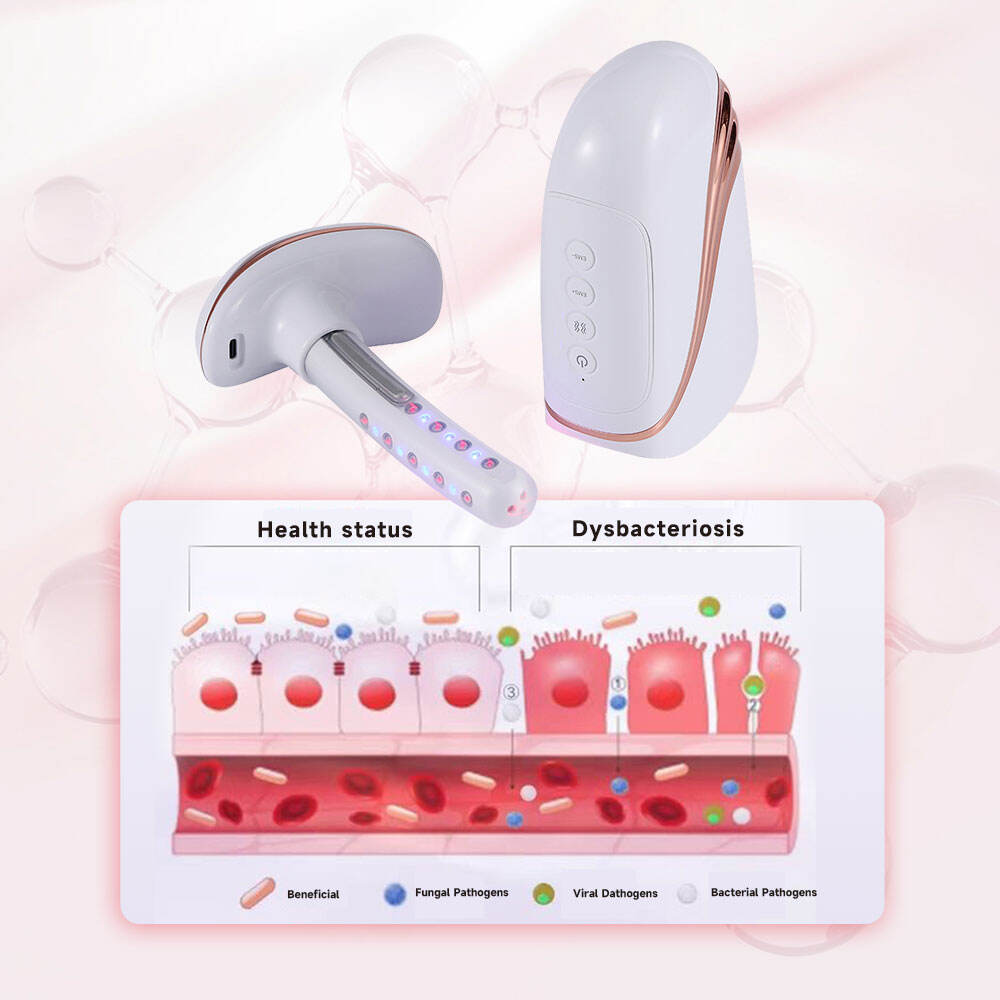
Clinical Significance of Efficient Vaginitis Diagnosis and Treatment
Vaginitis is one of the most common gynecological disorders that affects women of all age groups, from adolescents to postmenopausal females. Its high incidence and recurrence rate not only bring physical discomfort such as pruritus, abnormal discharge and pelvic pain to patients but also may lead to more serious gynecological complications like pelvic inflammatory disease and cervical erosion if left untreated. In clinical practice, efficient diagnosis and targeted treatment of vaginitis are the core of gynecological clinical work, which is directly related to the improvement of patients’ quality of life and the prevention of long-term reproductive system damage. For clinical medical staff, mastering standardized diagnostic processes and effective treatment methods is the basic requirement to carry out gynecological clinical work, and it is also the key to reducing the recurrence rate of vaginitis and improving clinical treatment efficacy.
The clinical treatment of vaginitis is no longer limited to traditional drug therapy. With the development of medical technology, physical therapy equipment combined with advanced technologies such as laser and EMS has become an important auxiliary means in clinical practice, providing more safe and non-invasive treatment options for patients, especially those with recurrent vaginitis or who are not suitable for long-term drug use. Integrating advanced physical therapy into clinical diagnosis and treatment protocols can further improve the efficiency of vaginitis treatment and meet the diverse clinical needs of different patients.
Key Steps for Efficient Clinical Diagnosis of Vaginitis
Symptom Collection and Initial Assessment
Efficient diagnosis of vaginitis starts with detailed symptom collection and comprehensive initial clinical assessment. Medical staff need to ask patients about the onset time of symptoms, the characteristics of vaginal discharge including color, texture and odor, accompanied symptoms such as vulvar pruritus, burning sensation and painful urination, as well as personal medical history, menstrual history, reproductive history and recent medication and health product use. These clinical information can help medical staff initially judge the possible type of vaginitis, such as bacterial vaginosis characterized by fishy-smelling gray-white discharge, vulvovaginal candidiasis with curd-like white discharge and severe pruritus, or trichomonal vaginitis with foamy yellow-green discharge, laying a solid foundation for subsequent targeted examination.
Laboratory and Auxiliary Examinations
Accurate laboratory examination is the core of confirming the type of vaginitis and avoiding misdiagnosis. Routine vaginal secretions examination is the most basic and necessary clinical examination item, which can clearly identify pathogenic microorganisms such as bacteria, fungi and trichomonads through microscopic examination. For some atypical or recurrent vaginitis cases, further microbial culture and drug sensitivity tests are required to determine the specific pathogenic bacteria and their sensitivity to antibiotics, so as to avoid blind drug use caused by unclear pathogenic factors. In addition, gynecological colposcopy can be used for patients with suspected cervical erosion or other cervical lesions combined with vaginitis to comprehensively evaluate the condition of the reproductive tract and ensure the comprehensiveness of diagnosis.
Differential Diagnosis to Exclude Comorbidities
Vaginitis is often accompanied by other gynecological diseases, so differential diagnosis is an indispensable step in efficient clinical diagnosis. Medical staff need to distinguish vaginitis from vulvitis, pelvic inflammatory disease, endometriosis and other diseases with similar symptoms, and also pay attention to the comorbidity of different types of vaginitis. For postmenopausal women, atrophic vaginitis caused by decreased estrogen levels needs to be distinguished from infectious vaginitis, because their treatment principles are completely different. Only through rigorous differential diagnosis can we avoid missed diagnosis and misdiagnosis, and formulate the most suitable individual treatment plan for patients.
Scientific Treatment Protocols for Vaginitis in Clinical Practice
Targeted Drug Therapy Based on Pathogenic Factors
Drug therapy is still the main clinical treatment for vaginitis, and the core principle is targeted medication according to the confirmed pathogenic microorganisms. For bacterial vaginosis, oral or topical antibacterial drugs are the first choice to inhibit the overgrowth of anaerobic bacteria and restore the balance of vaginal microecology. For vulvovaginal candidiasis, antifungal drugs are used to eliminate fungal infections, and attention should be paid to the course of treatment to avoid incomplete treatment leading to recurrence. For trichomonal vaginitis, oral anti-trichomonal drugs are the main treatment, and simultaneous treatment of sexual partners is required to prevent cross-infection. In clinical practice, medical staff need to select the appropriate dosage form, course of treatment and administration route according to the patient's age, physical condition and severity of the disease, and guide the patient to use drugs correctly to ensure the therapeutic effect.
Application of Physical Therapy in Clinical Treatment
With the innovation and development of gynecological medical equipment, physical therapy has become an important supplementary means of vaginitis treatment in clinical practice, especially for patients with recurrent vaginitis, drug resistance or adverse reactions to drugs. Cold laser combined with EMS muscle contraction technology is a safe and effective physical therapy method widely used in clinical gynecology at present. The 650nm semiconductor cold laser with low power can penetrate the vaginal mucosal tissue, play a role in anti-inflammation and reducing swelling, inhibit the reproduction of pathogenic microorganisms, and accelerate the repair of damaged mucosal tissue. EMS muscle contraction technology can effectively improve the tension of vaginal muscles, restore the normal physiological structure of the vagina, and enhance the body's local resistance, thus reducing the probability of vaginitis recurrence.
Clinical physical therapy equipment for gynecology, such as the vaginal tightening laser gynecology and obstetrics instruments, is designed with the characteristics of non-invasive, easy operation and good curative effect, which is suitable for clinical auxiliary treatment of various types of vaginitis, especially for patients with vaginitis combined with vaginal relaxation or mild cervical erosion. The combination of blue light and vibration massage functions in the equipment can further enhance the anti-inflammatory effect, relieve vulvar pruritus and other discomforts, and improve the patient's clinical treatment experience. In clinical practice, physical therapy can be combined with drug therapy to form a comprehensive treatment plan, which can significantly improve the efficiency of vaginitis treatment and reduce the recurrence rate.
Post-Treatment Follow-Up and Recurrence Prevention
Efficient clinical treatment of vaginitis is not only limited to the acute treatment period but also includes standardized post-treatment follow-up and scientific recurrence prevention measures, which are the key to ensuring the long-term therapeutic effect. After the end of the treatment course, medical staff need to arrange regular reexaminations for patients to detect the recovery of vaginal microecology in time and adjust the treatment plan according to the reexamination results. For patients with a high risk of recurrence, such as diabetic patients, pregnant women and postmenopausal women, individualized health guidance should be provided, including adjusting living habits, maintaining vulvar clean hygiene, enhancing physical immunity and avoiding factors that induce vaginitis.
In addition, health education for patients is an important part of recurrence prevention. Medical staff need to guide patients to establish correct gynecological health concepts, avoid excessive cleaning of the vagina that destroys the normal microecological balance, and pay attention to sexual hygiene to reduce the risk of infectious vaginitis. For postmenopausal women, appropriate estrogen replacement therapy can be given under clinical guidance according to their physical condition to improve vaginal mucosal resistance and prevent the occurrence of atrophic vaginitis.
Advantages of Advanced Gynecological Therapy Equipment in Clinical Practice
Safety and Non-Invasiveness of Clinical Application
Advanced gynecological laser therapy equipment has the characteristics of safety and non-invasiveness, which is in line with the development trend of modern clinical medicine advocating minimally invasive treatment. Taking the 3R laser product with 5mW±20% laser power as an example, its low-power cold laser irradiation will not cause damage to vaginal mucosal tissue, and the battery voltage is controlled at 3.7-4.2V, which ensures the safety of clinical operation. The equipment is designed with humanized operation functions such as intelligent charging and remote control, which is easy for medical staff to operate in clinical practice and also convenient for patients to carry out adjuvant therapy under clinical guidance, improving the convenience of clinical treatment.
Evidence-Based Efficacy Supported by Clinical Reports
The advanced gynecological therapy equipment used in clinical practice has undergone rigorous clinical studies and has a large number of clinical reports to support its therapeutic efficacy, which is the basis for its wide application in clinical practice. These equipment have obtained international authoritative certifications such as CE certification and FDA registration, and passed the SGS 60825 laser safety report, which fully proves their safety and effectiveness in clinical application. In the clinical treatment of vaginitis, the curative effect of physical therapy equipment has been verified by a large number of clinical cases, which can effectively improve the clinical cure rate of vaginitis and reduce the recurrence rate, and has become an important part of the clinical diagnosis and treatment system of vaginitis.
Multi-Functional Integration to Meet Diverse Clinical Needs
Modern clinical gynecological therapy equipment realizes the integration of multiple functions such as laser irradiation, EMS muscle contraction, blue light therapy and vibration massage, which can meet the diverse clinical treatment needs of vaginitis and its combined symptoms. For example, the vaginal tightening laser gynecology and obstetrics instruments can not only play an anti-inflammatory and bacteriostatic role in the treatment of vaginitis but also improve vaginal relaxation through EMS muscle contraction technology, and relieve pruritus and burning sensation through blue light and vibration massage, realizing the comprehensive treatment of gynecological symptoms. This multi-functional integration design makes the equipment more practical in clinical practice, can reduce the number of clinical treatment instruments used by patients, and improve the efficiency of clinical diagnosis and treatment.
Conclusion
Efficient diagnosis and treatment of vaginitis in clinical practice is a systematic project that runs through the whole process from symptom collection, accurate diagnosis to targeted treatment and post-treatment follow-up. Medical staff need to master standardized clinical diagnostic processes, combine laboratory examinations and differential diagnosis to accurately identify the type and pathogenic factors of vaginitis, and formulate scientific and individualized treatment plans for patients. With the development of medical technology, the application of advanced physical therapy equipment represented by laser and EMS technology in clinical practice has injected new vitality into the treatment of vaginitis, providing more safe, effective and non-invasive treatment options for clinical practice.
The integration of targeted drug therapy and advanced physical therapy has become the development trend of clinical treatment of vaginitis, which can significantly improve the clinical treatment efficiency and reduce the recurrence rate of the disease. At the same time, standardized post-treatment follow-up, scientific recurrence prevention and patient health education are the key to ensuring the long-term therapeutic effect. In clinical practice, medical staff should keep pace with the times, actively learn and apply new medical technologies and equipment, and continuously optimize the diagnosis and treatment protocol of vaginitis, so as to provide more high-quality clinical medical services for patients and effectively improve the clinical treatment level of gynecological diseases. The advanced gynecological therapy equipment with clinical report support and international certification will continue to play an important role in the clinical diagnosis and treatment of vaginitis, and contribute to the improvement of women's reproductive health.