 EN
EN
How LLLT Targets the Core Pathophysiology of Lower Back Pain
Modulating Nerve Signaling and Boosting Endogenous Pain Relief
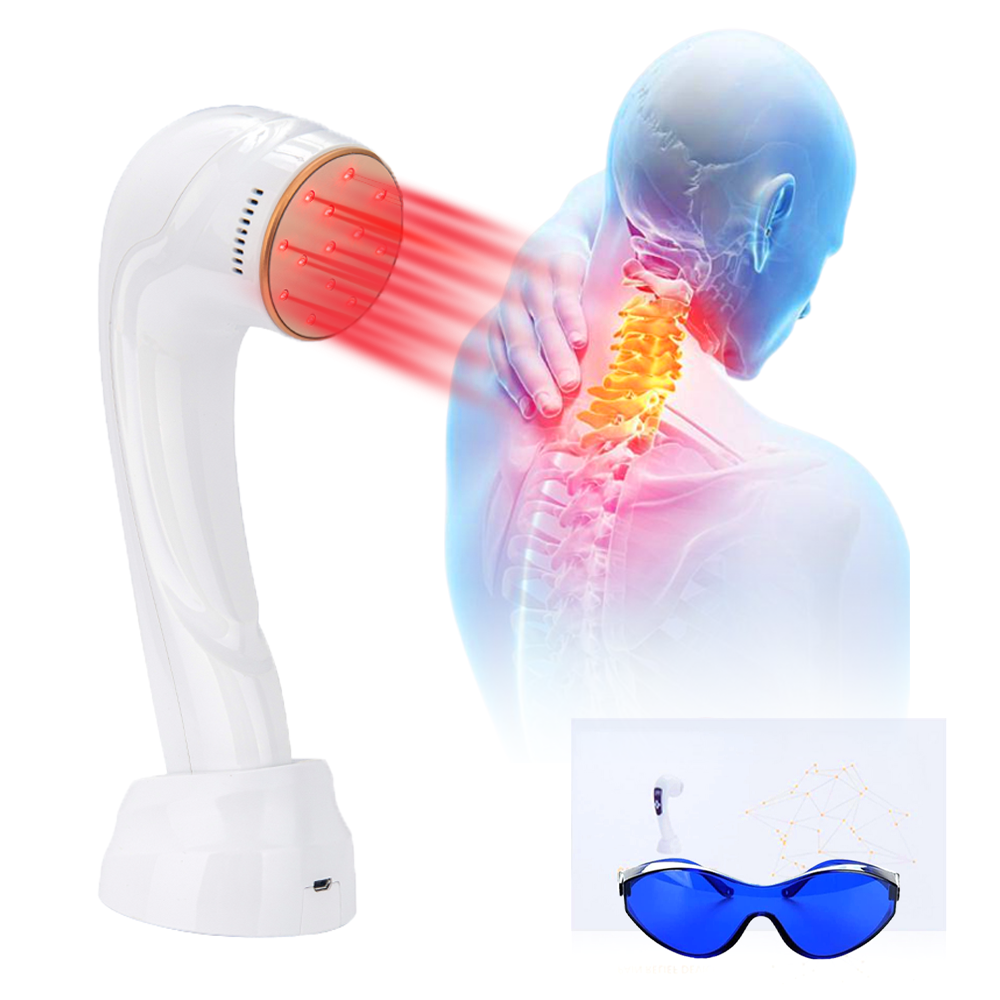
Low Level Laser Therapy, or LLLT as it's often called, tackles lower back pain using something called photobiomodulation. Basically, this means shining certain light wavelengths onto the body to get those mitochondria working harder in both nerves and surrounding tissues. What happens next is pretty interesting: cells start producing way more ATP, sometimes even doubling their output when they're struggling. At the same time, inflammation markers such as TNF alpha and IL six get knocked down significantly. The therapy works on our body's own painkillers too, activating those internal opioid systems while making pain receptors less sensitive. This affects how pain signals travel through different nerve fibers, particularly those A delta and C types that carry pain messages. And there's another benefit worth mentioning. When sodium potassium channels stabilize, neurons stop firing off so much, which explains why many people experience relief from chronic pain without needing medications. All these effects come together naturally within the body's physiology.
Reducing Muscle Spasms and Restoring Neuromuscular Function
Low Level Laser Therapy helps reduce those painful lower back muscle spasms by getting calcium ions flowing properly again within the sarcoplasmic reticulum. This targets those unwanted contractions happening in the muscles right next to the spine, which are actually one of the main reasons people suffer from mechanical low back pain. At the same time, LLLT boosts blood flow around the area too. Some research shows capillary density goes up about 40% after treatment, meaning better oxygen gets delivered while waste products such as lactic acid get flushed out faster. Another benefit comes from how this therapy affects nerve growth factors in the body. When brain-derived neurotrophic factor levels rise, it speeds up healing for damaged motor neurons and helps restore proper balance between different muscle groups working together. All these things combined not only fix movement problems but also make it less likely that someone will experience another episode down the road.
LLLT's Anti-Inflammatory and Tissue-Repair Effects in Lower Back Pain
Suppressing Pro-Inflammatory Cytokines and Lumbar Soft-Tissue Edema
Low Level Laser Therapy works against the inflammation processes that cause lower back pain by reducing levels of TNF-alpha, IL-1 beta, and IL-6 - these are substances in our bodies that basically make nerves more sensitive and increase pain signals in the soft tissues around the lumbar area. At the same time, LLLT boosts production of IL-10, which helps create conditions for healing instead of continued inflammation. Better blood flow and improved lymphatic system function also help reduce swelling. Some studies have found patients experience roughly 40% less swelling in affected areas when they stick with regular treatments over time. There's also evidence suggesting it stabilizes mast cells and inhibits COX-2 enzymes, both of which play roles in keeping inflammation going long after initial injury, making chronic pain issues worse over months and years.
Enhancing Mitochondrial Function and Cellular Repair in Degenerated Discs
When dealing with worn out spinal discs, low level laser therapy seems to kick start those little powerhouses inside cells called mitochondria, which can boost ATP production by around 150%. All this extra energy gets put to work rebuilding collagen and fixing up the surrounding tissue matrix something that's really important for keeping discs hydrated, maintaining their height, and making sure they can still support body weight properly. The treatment also helps fight off oxidative stress by cleaning up those pesky free radicals that break down tissues over time. Most people who suffer from back pain caused by damaged discs tend to notice better movement and less pressure on nerves after about four to six weeks as these cellular repairs take effect.
What Clinical Evidence Says About LLLT for Chronic Lower Back Pain
There's solid research backing up low level laser therapy (LLLT) for people suffering from chronic lower back pain. A big study published in 2016 by Cochrane looked at multiple randomized controlled trials and found that patients treated with LLLT reported about 13 points less pain on a 100 point scale compared to those getting placebo treatments. That drop in pain numbers actually matters both statistically and in real world terms for patients dealing with daily discomfort. Most importantly, side effects from these treatments tend to be few and generally not serious according to various studies conducted over time. The good news about pain reduction is pretty consistent across different research efforts, though results regarding actual physical improvements like better mobility or muscle strength show more variation between studies. Despite this mixed picture, what we do know positions LLLT as something doctors can safely recommend alongside other treatment approaches, particularly when traditional medications carry significant long term health risks for patients.
Applying LLLT to Common Lower Back Pain Conditions
Optimized Protocols for Degenerative Disc Disease and Radicular Sciatica
Low Level Laser Therapy (LLLT) approaches vary depending on what's going on in the spine. When dealing with degenerative disc issues, practitioners typically use those near infrared wavelengths between 800 and 980 nanometers. These penetrate deeper into tissues at around 4 to 8 joules per square centimeter, which seems to kickstart repairs in the mitochondria within disc cells. For sciatic nerve pain caused by pinched nerves, doctors often go with visible to near infrared light in the 650 to 780 nm range. At about 2 to 4 joules per square cm, this light gets applied along specific skin areas where nerves run close to the surface, helping cut down inflammation and ease pressure on compressed nerves. Most treatment plans call for somewhere between 8 and 12 sessions spread out over roughly four weeks. Studies suggest patients following the World Association for Laser Therapy (WALT) standards report about a 70% improvement in their pain levels. There are several important techniques clinicians should keep in mind when applying these treatments.
- Disc regeneration: Targeted irradiation over affected vertebral segments (1–2 minutes per level)
- Radicular relief: Continuous scanning along the sciatic nerve distribution using dermatome-guided mapping
Unlike passive modalities, LLLT concurrently engages structural repair and neuropathic modulation—offering a non-systemic, physiology-aligned approach to complex lower back pain.