
 EN
EN
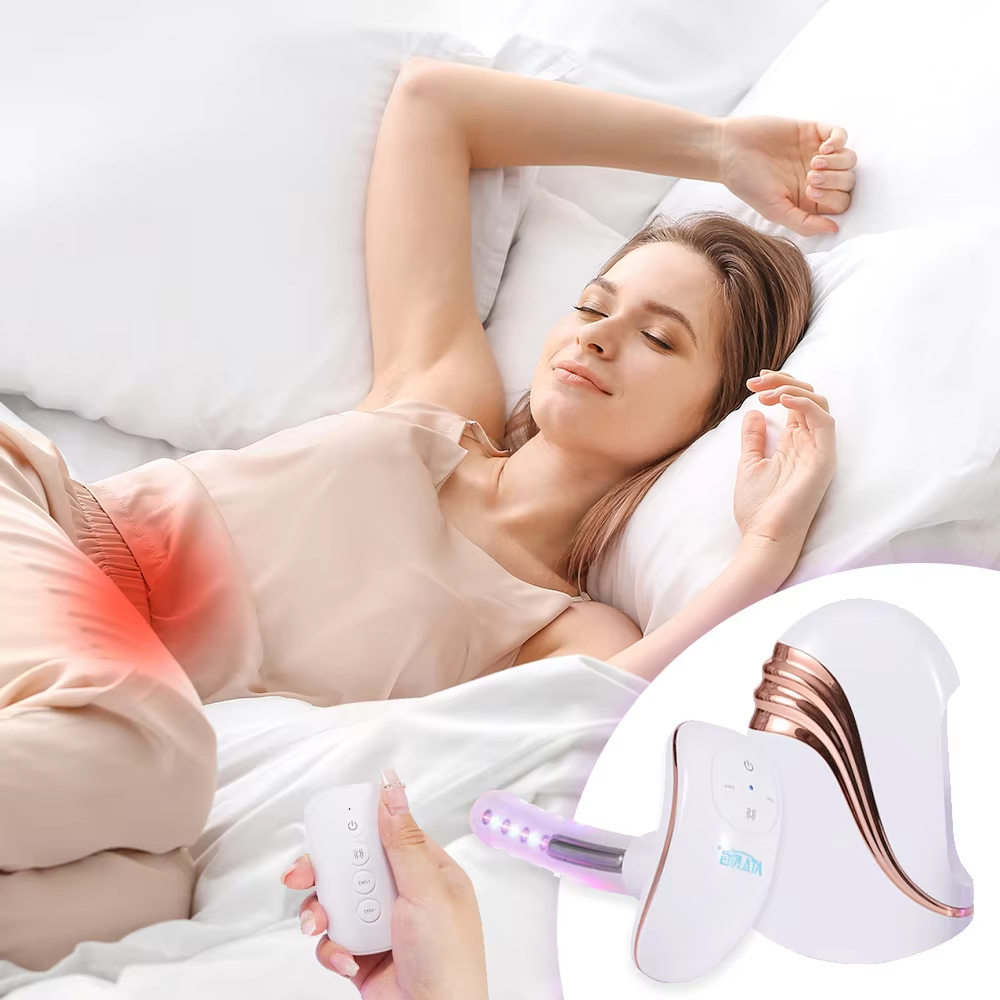
Understanding Pelvic Floor Dysfunction After Childbirth
Anatomical and Physiological Changes in the Pelvic Floor Post-Delivery
The pelvic floor is basically made up of muscles, ligaments and connective tissues that take on a lot of stress during pregnancy and giving birth. Hormones change quite a bit during this time, especially relaxin levels go up, which makes those ligaments feel looser so the body gets ready for labor. Vaginal deliveries often result in stretched or torn muscles down there as well. When these muscles get weaker, they cant hold up the bladder, uterus and rectum properly anymore, which raises chances of something called pelvic organ prolapse happening. Research indicates that more than half of all women notice their pelvic floor muscles have weakened somewhat within about six weeks after having a baby.
Common Symptoms: Urinary Incontinence, Pelvic Organ Prolapse, and Pain
Pelvic floor dysfunction, or PFD as it's sometimes called, comes with several telltale symptoms. The most common is urinary incontinence, something that actually happens to around one third of women in their first year after giving birth. Women might also feel a strange heaviness down below that could indicate something's prolapsed, experience pain during sex what doctors call dyspareunia, or deal with ongoing lower back discomfort that just won't go away. Left untreated, about 3 out of 10 women will end up with pretty serious prolapse issues within just five years. That's why getting started on those pelvic floor exercises early on really matters, along with seeing a healthcare provider who understands these kinds of problems.
Postpartum Recovery Timeline and the Role of Clinical Assessment (6–8 Weeks)
The road to recovery typically starts around week six or seven after giving birth when most women see their healthcare provider for an initial checkup. During this time, doctors often assess things like diastasis recti separation, overall muscle strength, and whether nerves are functioning properly. They might use something called the PERFECT scale which stands for Power, Endurance, Repetitions, Fast contractions, and timing each contraction. Studies indicate that starting personalized rehab programs within this timeframe can lead to better results about 40 percent improvement over waiting too long to begin treatment. Most physical therapists work on getting those neural connections back first before moving onto heavier exercises. Think of it like learning to ride a bike again after being off the saddle for months.
Core Principles of Clinically Guided Pelvic Floor Rehabilitation
The Role of Physical Therapy in Postpartum Muscle Re-Education
Physical therapy for the pelvic floor helps tissues heal properly and gets things working right again after childbirth. Therapists who specialize in this area often work hands on with techniques like releasing tight fascia around muscles or teaching new ways to engage core muscles that might be weak from vaginal births or scars left by C-sections. Research published last year in the Urogynecology Journal found something pretty impressive: women who did their rehab under professional guidance saw about an 80 percent reduction in leakage problems after just three months, way better results than those trying to fix things at home alone. When starting out with recovery, therapists focus heavily on activating that deep abdominal muscle called the transverse abdominis while making sure internal pressure doesn't build up too much during daily activities.
Professional Supervision in Center-Based Pelvic Floor Exercise Programs
Specialized postpartum rehab facilities help cut down on those frustrating exercise mistakes by giving immediate feedback as things happen. The therapists actually check how well muscles contract either by feeling them directly or sometimes with special imaging equipment. This makes sure women can target their pelvic floor muscles properly instead of relying on other muscles like hips or butt muscles to do the work. According to research from multiple clinics in 2023, going through these supervised programs cuts the chances of getting another pelvic organ prolapse problem by almost half when compared to just doing exercises at home on one's own. The treatment plans get tweaked based on what each woman needs, considering things like how her body has changed from nursing positions, how bad her abdominal separation might be, and any limitations caused by surgical scars.
Safety Considerations: Contraindications, Pain Management, and Proper Progression
When dealing with acute symphysis pubis issues or still healing perineal tears, it's best to hold off on high intensity Kegel exercises. The body's response to pain should really dictate how far someone goes with their rehabilitation. For folks recovering from levator ani avulsions, focusing on static muscle holds tends to work better than moving through dynamic motions. Most rehab programs start simple enough with short 3 second contractions done around 10 times, then gradually build up to holding for about 10 seconds straight. Some people find biofeedback devices helpful while others prefer using resistance bands during this process. It's important to check in every week or so to make sure things aren't getting too intense too fast. Studies show that pushing too hard too soon can actually worsen symptoms by roughly 22 percent during the initial healing phase.
Evidence Based Pelvic Floor Exercises: Kegels and Beyond
Kegel Exercises: Correct Technique, Common Errors, and Indications for Incontinence
Kegel exercises were actually developed back in the 1940s and have stayed pretty much at the heart of pelvic floor rehabilitation after childbirth. When done right, these exercises focus specifically on those pelvic floor muscles without letting other areas like the stomach, butt, or thighs get involved. People often mess this up though, holding their breath or activating nearby muscle groups instead, which can actually make problems like urinary leakage worse. According to research published last year, women who receive proper guidance from professionals tend to avoid these errors about 60 percent more than those trying to figure it out on their own. That's quite a difference when looking at long term results.
Exercise Progression: From Basic Contractions to Resistance Training
The key to successful rehabilitation is taking things slow so we don't put too much stress on already weakened tissues. At first, focus on gentle exercises where muscles contract for about 5 to 10 seconds at a time. As strength builds, move on to actual movement patterns that mimic daily activities, think squats or bridges while making sure the pelvic floor stays engaged throughout. Some practitioners start incorporating resistance devices like vaginal cones around week 8 or 12 mark, but this really depends on how well someone can handle basic exercises first. We need to see good muscle control and sufficient strength before bringing in these extra challenges.
Debating Kegel Overuse vs. Underuse in Early Postpartum Recovery
Most rehab centers these days start their programs with Kegel exercises, about 74% according to what I've seen across various clinics. But wait, some newer research is casting doubt on whether this should be standard for everyone. Back in 2014, there was a study showing that nearly 4 out of 10 people who had overly tight pelvic floor muscles actually got worse after doing too many Kegels. And then we have the opposite problem too. People with weak muscles often don't get enough benefit if they aren't doing them properly. That's why smart practitioners now create custom plans based on actual ultrasound images taken during sessions plus feedback from patients themselves about how things feel. This approach helps determine which exercises will work best for each person rather than just following a one-size-fits-all protocol.
Advanced Techniques in Center-Based Pelvic Floor Therapy
Diaphragmatic Breathing and Core-Pelvic Coordination
When someone practices diaphragmatic breathing, they learn how to coordinate their deep belly movements with the muscles down below while breathing in and out. The method focuses on taking air through the nose and letting it out slowly over about four to six seconds. This helps reduce pressure inside the abdomen and makes those pelvic floor muscles more flexible over time. A recent paper from the Journal of Women's Health Physical Therapy looked at this approach back in 2024. They found that women who added these breathing techniques to their post-birth recovery routines saw their pelvic floor strength improve by around 37 percent compared to just doing regular Kegels by themselves. Pretty impressive when you think about it.
Hypopressive Abdominal Exercises: Mechanism and Postnatal Benefits
Hypopressive exercises work by gently lifting the diaphragm and making small changes to posture that activate those deep core muscles without increasing pressure inside the abdomen. The movements are pretty gentle on the body, which makes them especially helpful for women dealing with issues like diastasis recti or who might be at risk for pelvic organ prolapse. Some studies have actually found that people who do these exercises regularly see their abdominal separation decrease by around 1.5 centimeters after about three months of practice. Plus, there's also improvement in how well the pelvic floor muscles sense what's going on down there, which is pretty important for overall function.
Biofeedback, Electrical Stimulation, and Real-Time Ultrasound Imaging in Treatment
Biofeedback systems work with intravaginal sensors that give patients visual or sound cues when their pelvic floor muscles contract, which helps them fix wrong ways of contracting these muscles. For cases where muscles are really weak, surface electrical stimulation comes into play. This method sends controlled electric pulses to wake up the nerves and muscles. Therapists also use real time ultrasound images to watch what happens with the bladder neck and see how thick the muscles get during contractions. Seeing all this lets them tweak their rehab plans much more accurately based on what actually happens inside the body.
Designing Individualized Programs for Optimal Recovery Outcomes
Assessment-Driven Customization of Pelvic Floor Exercises in Clinical Settings
Comprehensive evaluations form the foundation of effective postpartum rehab, including vaginal palpation, perineal ultrasound, and validated symptom questionnaires. A 2023 review in Pelvic Health International found clinics using standardized assessments achieved a 60% reduction in urinary incontinence symptoms within 12 weeks. Key factors guiding treatment include:
- Pelvic muscle strength grading (Modified Oxford Scale)
- Scar tissue mobility in cesarean or episiotomy patients
- Patient-reported pain during daily activities
Tailoring Rehabilitation Strategies to Patient-Specific Needs and Goals
Programs are customized based on delivery type (vaginal vs. cesarean), pre-pregnancy fitness level, and breastfeeding status. A 2024 multicenter study showed patients whose plans combined pelvic floor exercises with posture correction and diaphragmatic breathing recovered 42% faster. Lactating women often require modified intensity due to ongoing relaxin-mediated ligament laxity.
Case Study: Successful Implementation of Personalized Plans in a Postpartum Clinic
A German maternity center reported 89% patient satisfaction using a model that integrated biweekly physiotherapy with app-based home monitoring of contraction accuracy. Six-month follow-ups revealed:
- 67% reduction in stress incontinence episodes
- 55% improvement in sexual function scores
- 48% fewer reports of pelvic heaviness
This three-tiered approach—clinical assessment, adaptive programming, and digital tracking—represents current best practices in postpartum pelvic floor rehabilitation.