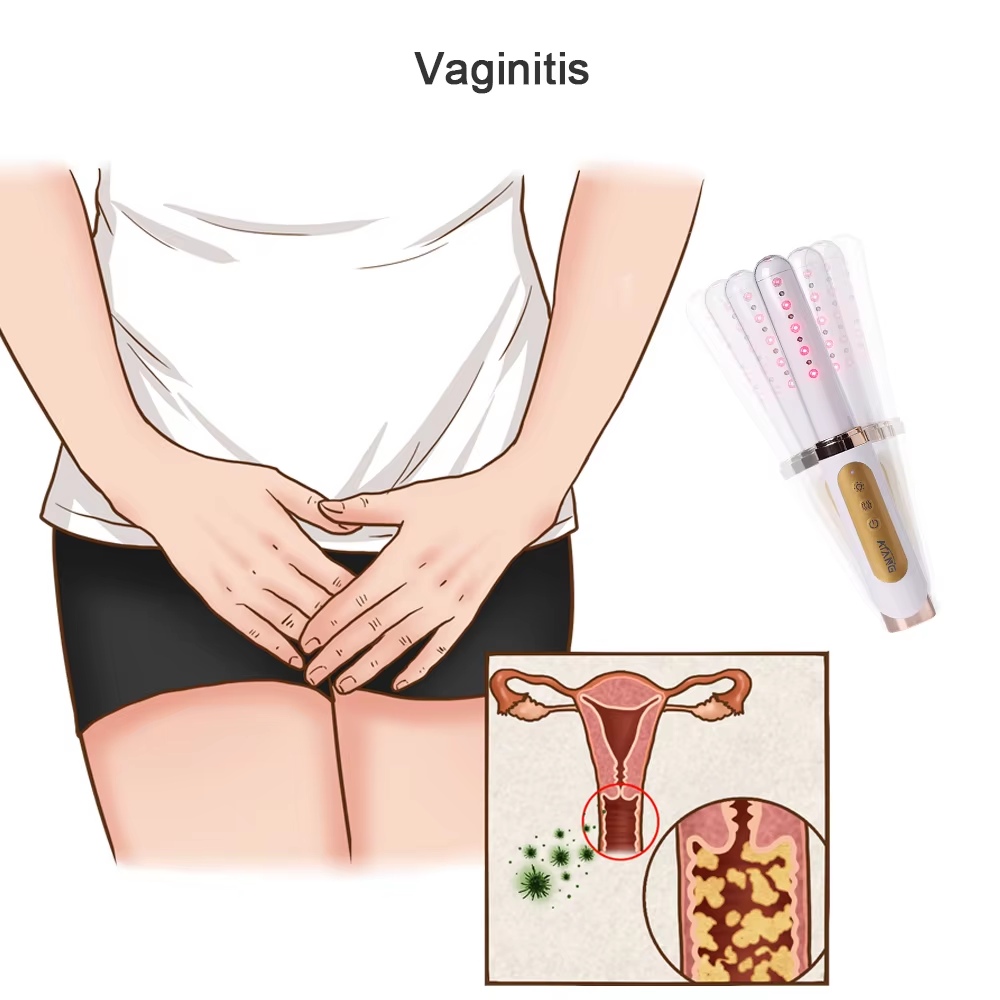
Women Pelvic Floor Exercises, commonly known as Kegel exercises, are a cornerstone of proactive and rehabilitative intimate health. These voluntary contractions aim to strengthen the pubococcygeus (PC) muscles, which form a supportive sling for pelvic organs. Strong pelvic floor muscles are crucial for urinary continence, core stability, sexual health, and overall pelvic support. However, performing these exercises correctly and consistently presents significant challenges. Many women struggle with isolating the correct muscle group, maintaining a regular routine, or achieving contractions intense enough to drive meaningful strength gains, especially following childbirth or during menopause when muscles are weakened or need retraining.
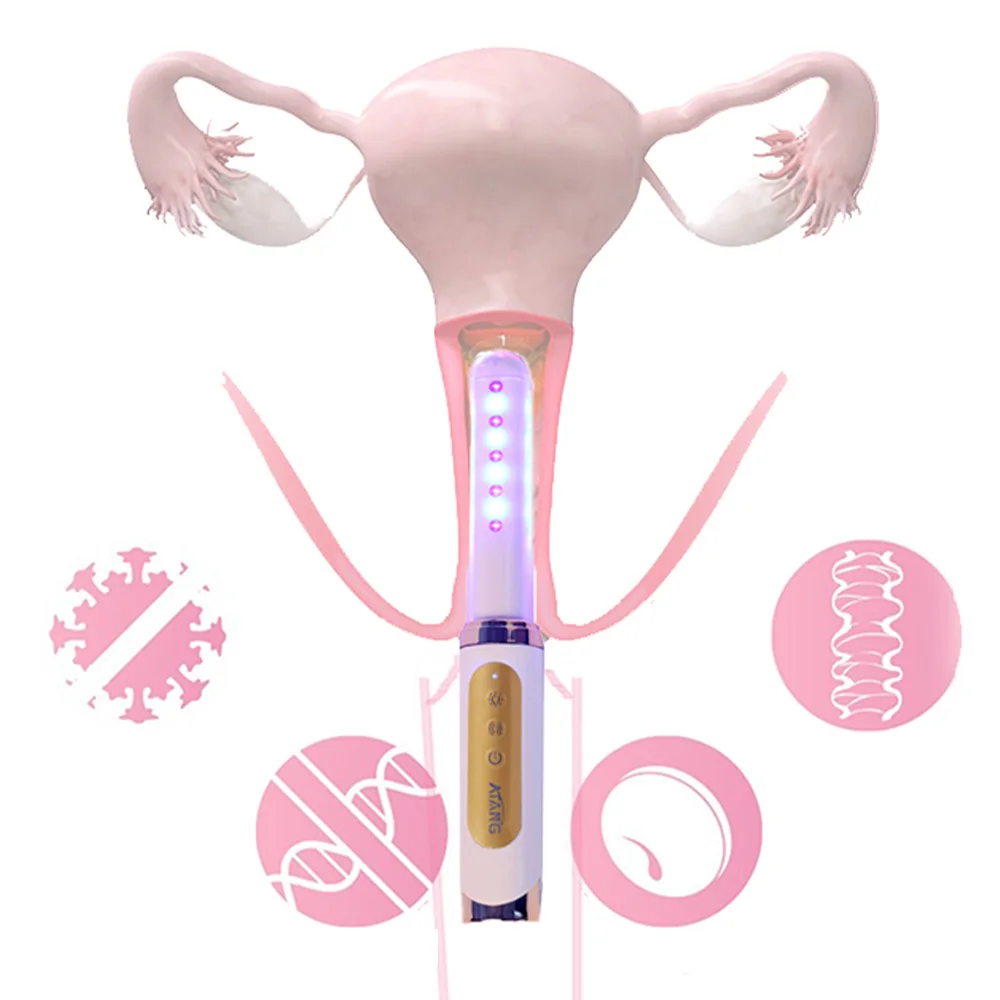
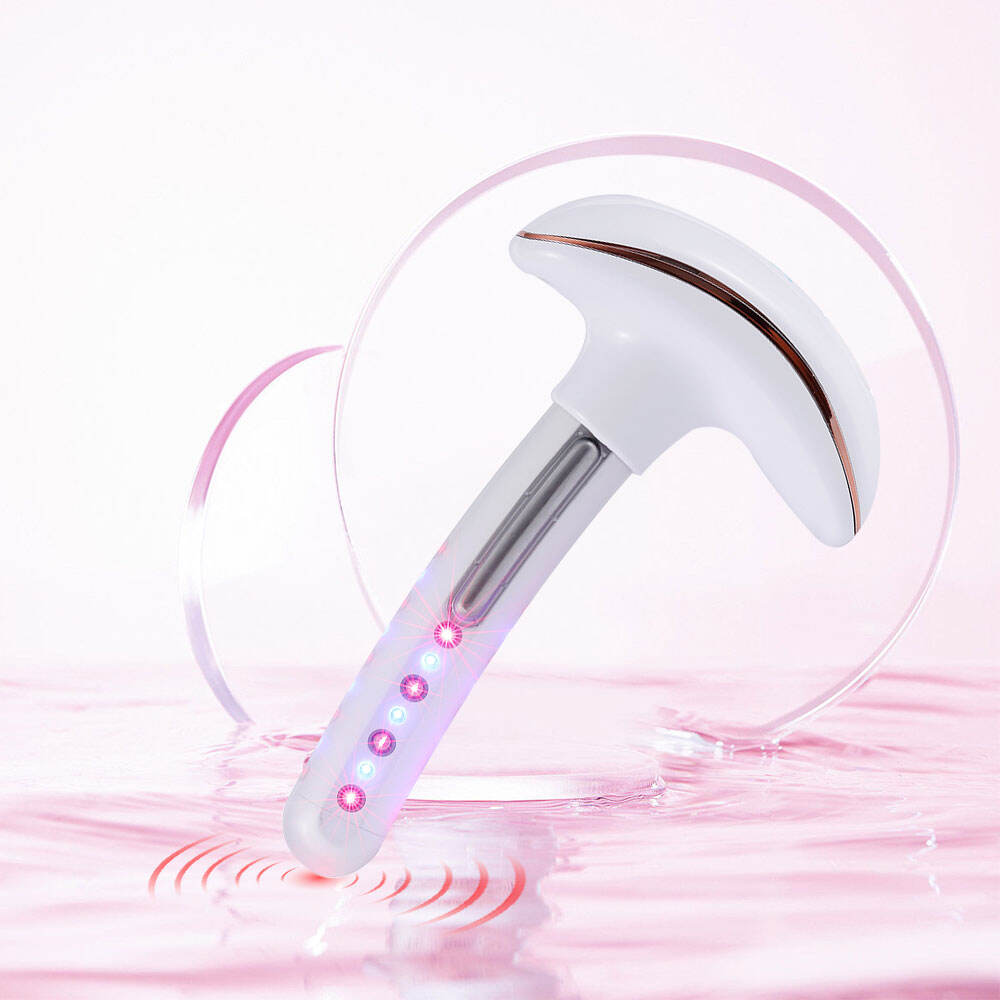
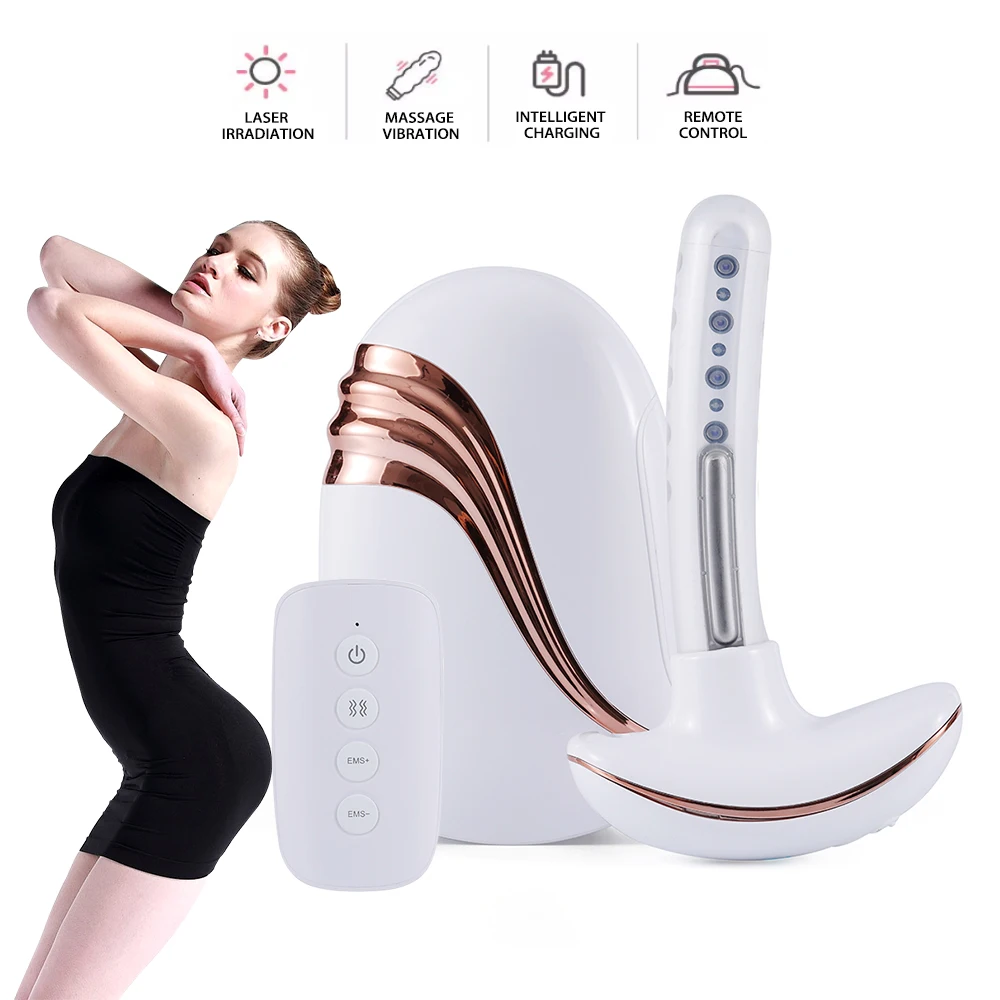
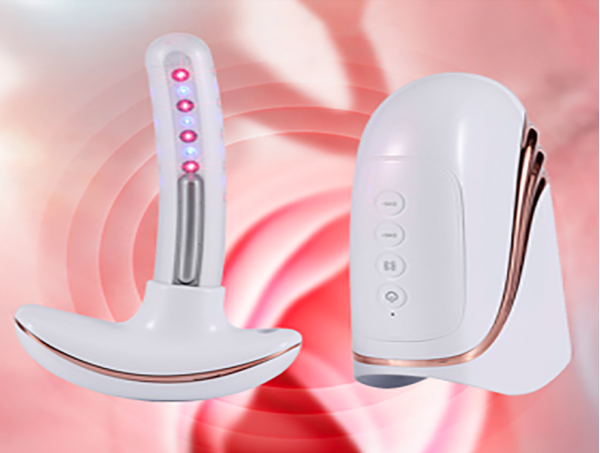
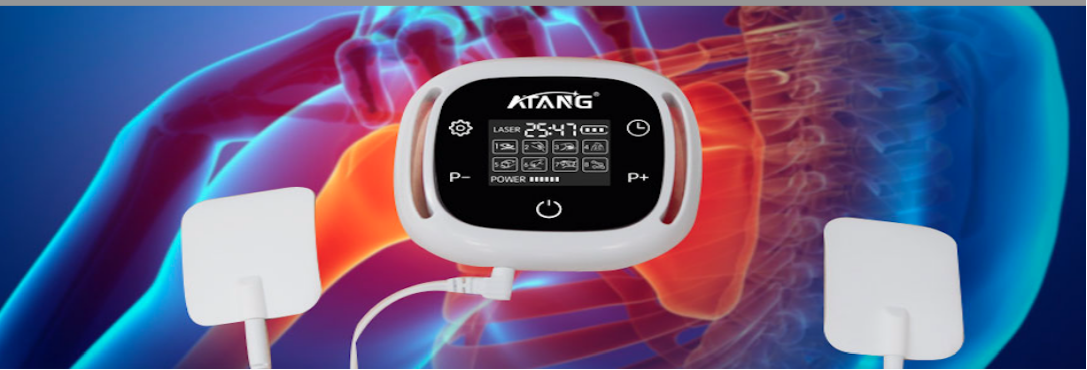
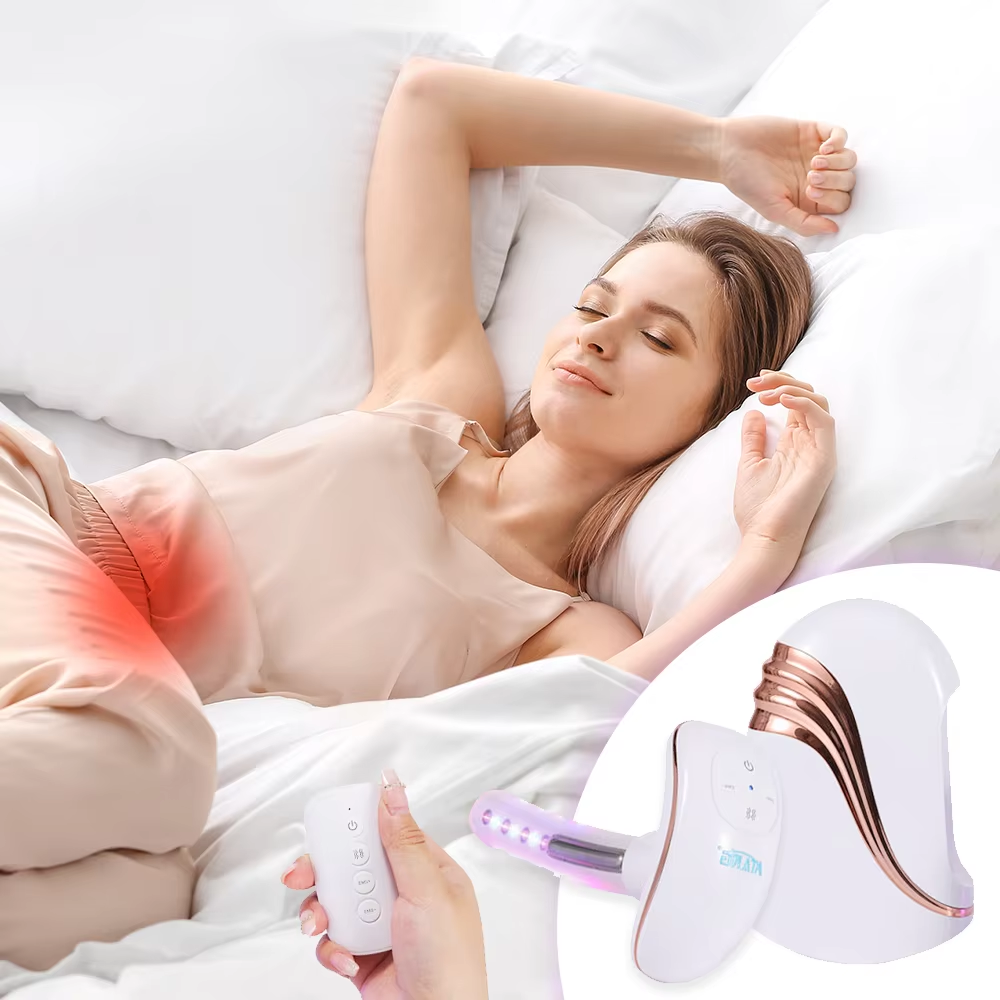
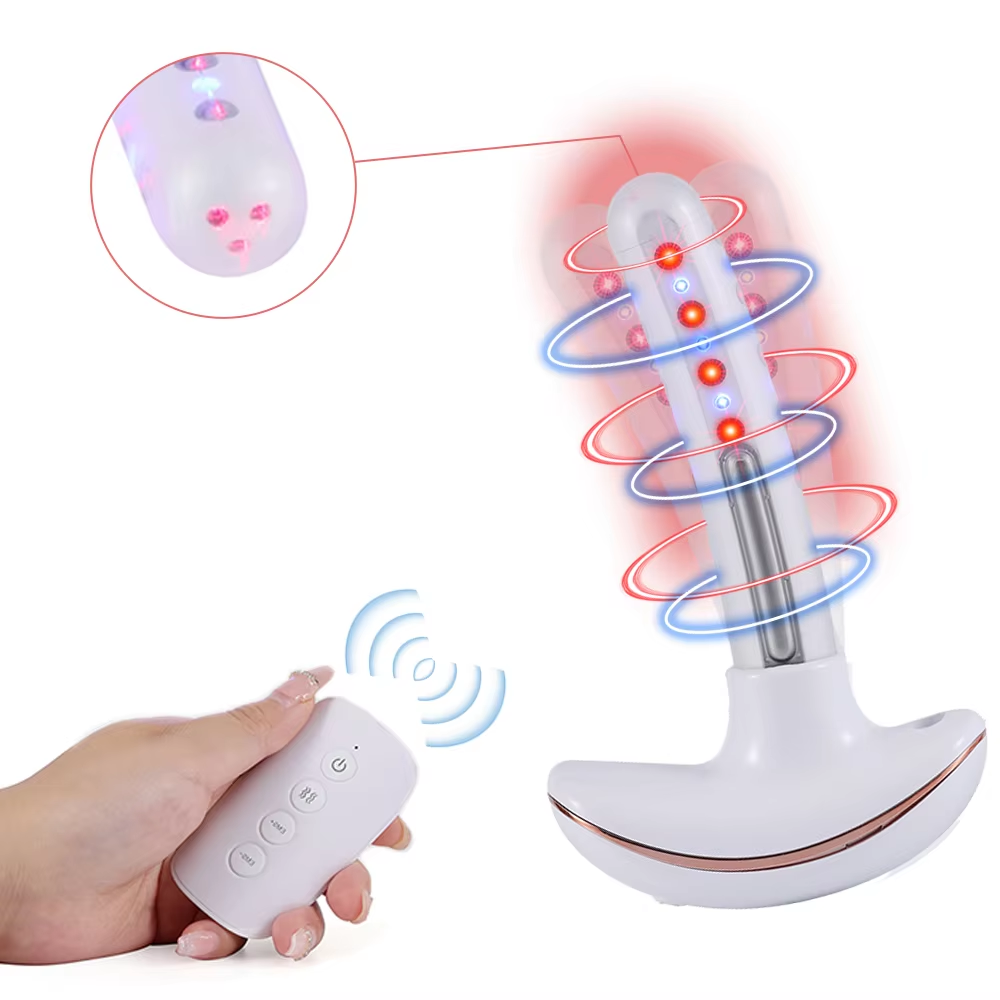
ATANG Health addresses these challenges by introducing a professional, home-use device that acts as a technological companion to traditional Women Pelvic Floor Exercises. Our device employs Electrical Muscle Stimulation (EMS) and low-level laser therapy to create a more comprehensive and effective regimen. The EMS function is pivotal for exercise enhancement. By delivering calibrated, low-frequency electrical impulses directly to the pelvic floor region, it elicits involuntary muscle contractions. For a beginner, this provides direct biofeedback, helping her identify and "feel" the correct muscles engaging, which is often the first hurdle. For those already practicing, EMS can induce supramaximal contractions—contractions that are more intense and sustained than what can be achieved through voluntary effort alone. This can help overcome strength plateaus and promote faster muscle hypertrophy and endurance development, much like using weights during gym workouts.
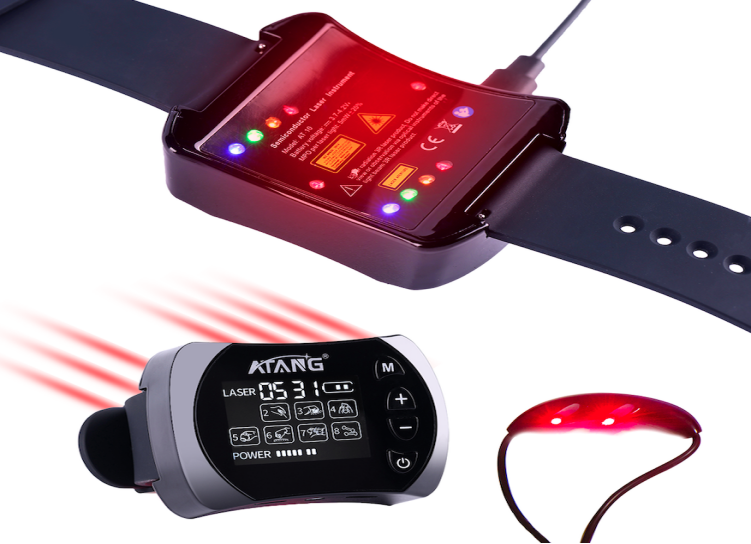
Concurrently, the low-level cold laser therapy component addresses the foundational health of the pelvic tissue. The targeted light energy is absorbed by cells, where it is believed to stimulate mitochondrial activity, enhancing cellular repair and energy production. This process supports the reduction of exercise-induced micro-inflammation and promotes better local blood circulation. For pelvic floor muscles being actively exercised, this means a more favorable environment for repair and growth, potentially reducing recovery time and discomfort, allowing for more frequent and productive exercise sessions. The combination thus creates a synergistic cycle: EMS intensifies the workout, and laser therapy optimizes the recovery and health of the tissue being worked.
Consider the practical application for different life stages. For Elena, a new mother 12 weeks postpartum, regaining pelvic strength and control is a priority. While advised to do Kegels, she finds it difficult to isolate the muscles and feels unsure about her progress. Using the device, the EMS contractions provide clear guidance, helping her re-establish the mind-muscle connection that pregnancy and delivery may have disrupted. The laser therapy supports the healing of perineal tissues. For Margaret, a woman in her 50s experiencing occasional stress incontinence during exercise, standard Kegels feel insufficient. The device allows her to "add resistance" to her exercises via EMS, aiming to rebuild the muscle strength needed to support her active lifestyle more effectively.
It is essential to position this device as an enhancement tool, not a replacement for education or medical advice. A proper diagnosis from a healthcare provider, such as a urogynecologist or pelvic floor physical therapist, is invaluable. This device is designed for those who have been advised to perform pelvic floor exercises and seek a more advanced, measurable, and effective method to execute them at home. It represents a convergence of rehabilitation science and accessible home wellness technology. For comprehensive information on device operation, detailed protocols, and pricing for individual use or distribution opportunities, we invite you to contact our team directly. We are prepared to provide in-depth details to support your specific health goals or business inquiries.

 EN
EN